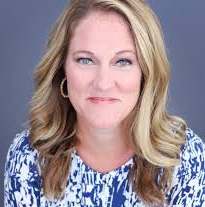
Kelly Kitley
Licensed Clinical Social Worker (LCSW), author, and national mental health media expert; founder of Serendipitous Psychotherapy; hosts The Kelley Kitley Podcast.
3
APPEARANCES
2
PODCASTS
Jul 15, 2026


Ann EmersonHOST
Uh, do you think asking the question, "How could nobody know?" is that the right question or are we asking the wrong question right now?

Kelly KitleyGUEST
You know, I think we are so ... hyper focused on, you know, who we can blame for this, or finding out the how or the why.
Kelly KitleyGUEST
I- is more so what I'm looking at from the lens of a social worker as to what was going on that this situation continued to multiply child after child, and having the lack of resources.
Kelly KitleyGUEST
Um, when somebody's in isolation and they don't want somebody else to find out what's going on, they're gonna go to every length to hide that, and they, this family, did that.
Kelly KitleyGUEST
Um, and so, you know, there, there really isn't any exposure that I can see that somebody would have reported it, which is why, you know, it is so important for the general public to report something if they see something, to say something.

Kelly KitleyGUEST
Those tend to be, um, where somebody would maybe take a leave of absence from work.
Kelly KitleyGUEST
They can take a medical leave, um, and do, go somewhere for 30 days, where they're focused on treatment eight hours a day, and they're living in community, and they're, um, responsible for working together, um, to maintain the household, and also unpacking some other things outside of alcohol.
Kelly KitleyGUEST
So yes, as we talked about before, it's about the sobriety piece, but this is really when you start stepping into the recovery piece too, looking at triggers as to s- maybe why somebody was drinking.
Kelly KitleyGUEST
And, um, some of it is just sharing some of the despair that somebody may have felt while they were drinking as well, and a lot of the shame, and we say in the program, telling on yourself.
Terri McGuireHOST
When would someone need that, and how does that factor in in the levels of care?
Kelly KitleyGUEST
And oftentimes we overlook some of the real seriousness of it, because one of the, um, components of drinking is denial at times, and sometimes we minimize our drinking.
Kelly KitleyGUEST
But the Diagnostic and Statistical Manual of Mental Health Disorders qualifies alcohol use disorder if somebody has increased tolerance, if they have interruption in relationships or jobs, if they are increasing tolerance, if they're not recogni- if they're not able to stop on their own.
25 MINS LATER
Kelly KitleyGUEST
some of the emotional components of maybe what led to our drinking, and helps us get support and community.
Kelly KitleyGUEST
So there is a huge difference between just stopping and then also eliminating the substance and working a program of recovery that is aligned and connected.