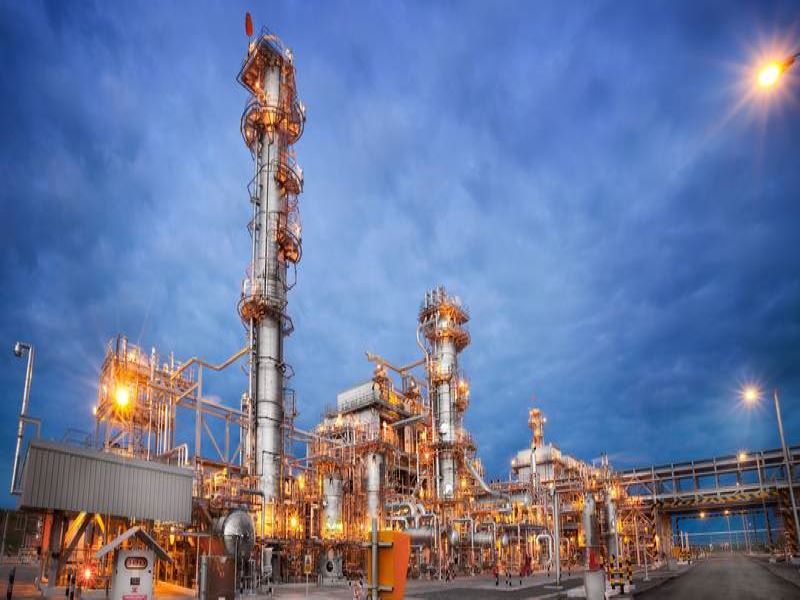
Karachaganak Field
Petroleum fieldWikipedia
4
MENTIONS
3
EPISODES
2
PODCASTS
Search complete. 4 mentions across 3 episodes found for "Karachaganak Field".
Sep 22, 2026

Legan KondykovHOST
Yes, we know there were some problems recently, but is it really connected to it or there is some other reasons?
Peter LeonardHOST
Yeah, in fact, all the three fields of Kazakhstan, so Tengiz, Karachaganak and Kashagan have at various points through the last year experienced some kind of problem.
Peter LeonardHOST
So in Tengiz, there was a fire in January, then there was some other disruption in Later on, a few months later, Karachaganag, that's an interesting story because there actually the issue is that, okay, Kazakhstan produces all this gas, but it does not have, and this is an important part of the story, it just doesn't have the capacity to process it all.
Peter LeonardHOST
So what Karachaganag used to do is send a lot of the gas to Oryanburg, which is in Russia, across the border.
Peter LeonardHOST
Now that was damaged by Ukrainian forces.
Peter LeonardHOST
drone attacks.
Peter LeonardHOST
So as a result, Karachaganak had to reduce production.
Peter LeonardHOST
And so it didn't have all this gas, which you needed to send to Russia.

Lorena RuizNARRATOR
Routine flaring has been banned since the mid-2000s, and the country cut flared volumes by more than seventy percent between 2012 and 2022, the largest reduction of any producer in that period, underwritten by the deep pockets of the international majors operating its largest fields.
Lorena RuizNARRATOR
Chevron, Eni, Shell, and partners at Tengiz, Karachaganak, and Kashagan, paired with a domestic gas market built to make associated gas recovery pay for itself.
Lorena RuizNARRATOR
Mexico already has a comparable mandate, which makes the lesson sharper.
Lorena RuizNARRATOR
Since 2016, all operators, state and private, must sustain at least ninety-eight percent utilization of associated natural gas.
Lorena RuizNARRATOR
Routine flaring has been banned since the mid-2000s, and the country cut flared volumes by more than 70% between 2012 and 2022, the largest reduction of any producer in that period, underwritten by the deep pockets of the international majors operating its largest fields.
Lorena RuizNARRATOR
Chevron, Eni, Shell, and partners at Tangiz, Karachaganak, and Kashagan, paired with a domestic gas market built to make associated gas recovery pay for itself.
Lorena RuizNARRATOR
Mexico already has a comparable mandate, which makes the lesson sharper.
Lorena RuizNARRATOR
Since 2016, all operators, state and private, must sustain at least 98% utilization of associated natural gas.