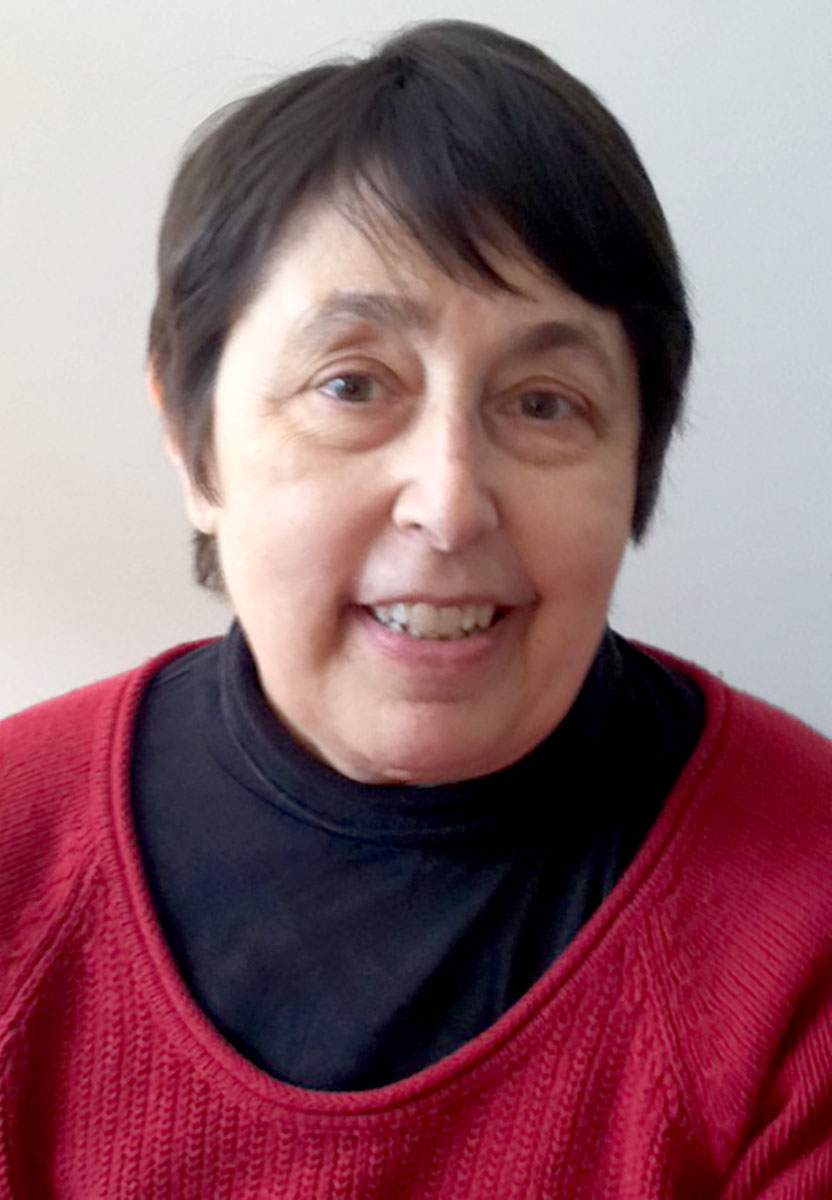
Judith Lewis Herman
American psychiatrist and ResearcherWikipedia
33
MENTIONS
24
EPISODES
23
PODCASTS
Search complete. 33 mentions across 24 episodes found for "Judith Lewis Herman".
Oct 27, 2026

Moira DoneganGUEST
That's one that's been made by clinicians.
Moira DoneganGUEST
I'm thinking of the Harvard Medical School psychiatrist, Dr. Judith Herman, who is a pioneering researcher in the field of post-traumatic stress conditions.
Moira DoneganGUEST
She developed her methodology for treating people who have been victims of, you know, especially prolonged and repeated violence because she saw commonalities in the symptoms of domestic violence and abuse survivors.
Moira DoneganGUEST
and the then Vietnam veterans who are turning from war.

Matt KostermanHOST
Yeah.
Marian SiljeholmGUEST
I mean, even the fact that, so in that project, I also interviewed Judith Herman.
Marian SiljeholmGUEST
She coined the term CPTSD
Matt KostermanHOST
in
Marian SiljeholmGUEST
Yeah.
Marian SiljeholmGUEST
People say, don't meet your heroes.
Marian SiljeholmGUEST
Meet Judith Herman.
Marian SiljeholmGUEST
She is amazing.

Katie McKennaHOST
And so I have to hide my own feelings and even hide my own physical needs.
Katie McKennaHOST
There was, did I save the part in the book? Judith Herman's book, Trauma and Recovery.
Katie McKennaHOST
There's a part where she talks about In ordinary human responses to danger, it's complex integrated systems of reactions encompassing both body and mind.
Katie McKennaHOST
So that long after the event, when we live in this fight or flight, that threat concentrates a person's attention on the immediate situation.

Ramani DurvasulaHOST
By definition, narcissistic relationships are unjust.
Ramani DurvasulaHOST
Judith Herman last year wrote a phenomenal book on on trauma and healing and injustice and how much lack of justice can really impede our healing from trauma.
Ramani DurvasulaHOST
Frankly, I think it really impacts significantly our capacity to come back from betrayal.
Ramani DurvasulaHOST
Listen, in the ideal story, the person who betrays you can go off with their new person and that relationship blows up because the new person cheats on them.

Ramani DurvasulaHOST
So that why becomes It's my fault.
Ramani DurvasulaHOST
Judith Herman, the trauma researcher, argues that children do that for safety reasons.
Ramani DurvasulaHOST
It's too catastrophic for children to believe that their betraying or traumatizing parents are bad.
Ramani DurvasulaHOST
So the child then internalizes the blame as the bad one who is responsible for their own abuse, which allows the parents to remain in a good position.

Claire Harrison-BreedGUEST
That's not a diagnosis we acknowledge in the UK or we know that dissociation doesn't exist.
Claire Harrison-BreedGUEST
And we see people literally dissociating from dissociation because, and it always takes me back to Judith Herman's work.
Claire Harrison-BreedGUEST
And I think she's absolutely brilliant.
Claire Harrison-BreedGUEST
And what she talks about, is stuff around bystander and bystander kind of mentality.

Ramani DurvasulaHOST
So that why becomes It's my fault.
Ramani DurvasulaHOST
Judith Herman, the trauma researcher, argues that children do that for safety reasons.
Ramani DurvasulaHOST
It's too catastrophic for children to believe that their betraying or traumatizing parents are bad.
Ramani DurvasulaHOST
So the child then internalizes the blame as the bad one who is responsible for their own abuse, which allows the parents to remain in a good position.

Déborah MurciaGUEST
De hecho, es como el estudio así como más famoso, que escribieron el libro "El cuerpo lleva la cuenta".
Déborah MurciaGUEST
Para mí este es un referente, ¿vale? Y luego estaría la, la que para mí es como mi todo, que es Judith Herman, que escribió "Trauma y recuperación", que hablaba también de los veteranos de la guerra de Vietnam y cómo se manifestaba el trastorno de estrés postraumático, que ahora te voy a explicar un poquito-
Luis UseraHOST
Vale.
Déborah MurciaGUEST
En, eh, mujeres víctimas de violencia.

Moira HennesseyGUEST
So read enough fiction to find your own favorite.
Moira HennesseyGUEST
Um, in terms of a psychology, a book that I really like is from one of my teachers, um, Judith Herman.
Moira HennesseyGUEST
It's called Trauma and Recovery, and she was very, she is a very instrumental woman in understanding trauma.
Moira HennesseyGUEST
Um-

Carolyn CostinHOST
Um, Bessel van der Kolk said, "Trauma victims cannot recover until they become familiar with and befriend sensations in their bodies," and that is so true for eating disorders.
Carolyn CostinHOST
Um, and you know, all the Peter Levine and Gabor Maté and Judith Herman and all these, um, um, trauma practitioners and people who've written about trauma just talk a lot about not just safety, but embodiment and reconnection.
Whitney TrotterGUEST
Yeah.
Carolyn CostinHOST
So I think there's three areas I want to ask you about and s- have your comments on.
14 more episodes mention Judith Lewis Herman.
Create an account to see the whole feed, search across every transcript, and follow the entities you care about.