JP-7
9
MENTIONS
4
EPISODES
4
PODCASTS
Search complete. 9 mentions across 4 episodes found for "JP-7".
Oct 1, 2026

RainHOST
I'm sure there are a lot of differences that I'm not even aware of, but typically you're dealing with flashpoints with the fuel when it comes to it.
RainHOST
The Blackbird required even more specialized fuel, JP-7, and while some one-offs of that have been produced, and I'm sure we could produce it again, it had some special characteristics in order to enable the Blackbird to operate.
RainHOST
Now, clearly a lot of science and math is occurring when you got a plane going Mach three point two.
RainHOST
The JP-7, it needed to have a high enough flashpoint in order to avoid unintended combustion, partly because the fuel was used as a primary heat sink to dissipate the high temperature in the airframe.
RainHOST
Which does make sense.
RainHOST
Utilize what you have on the plane in order to cool it, so has a little less of a signature.
RainHOST
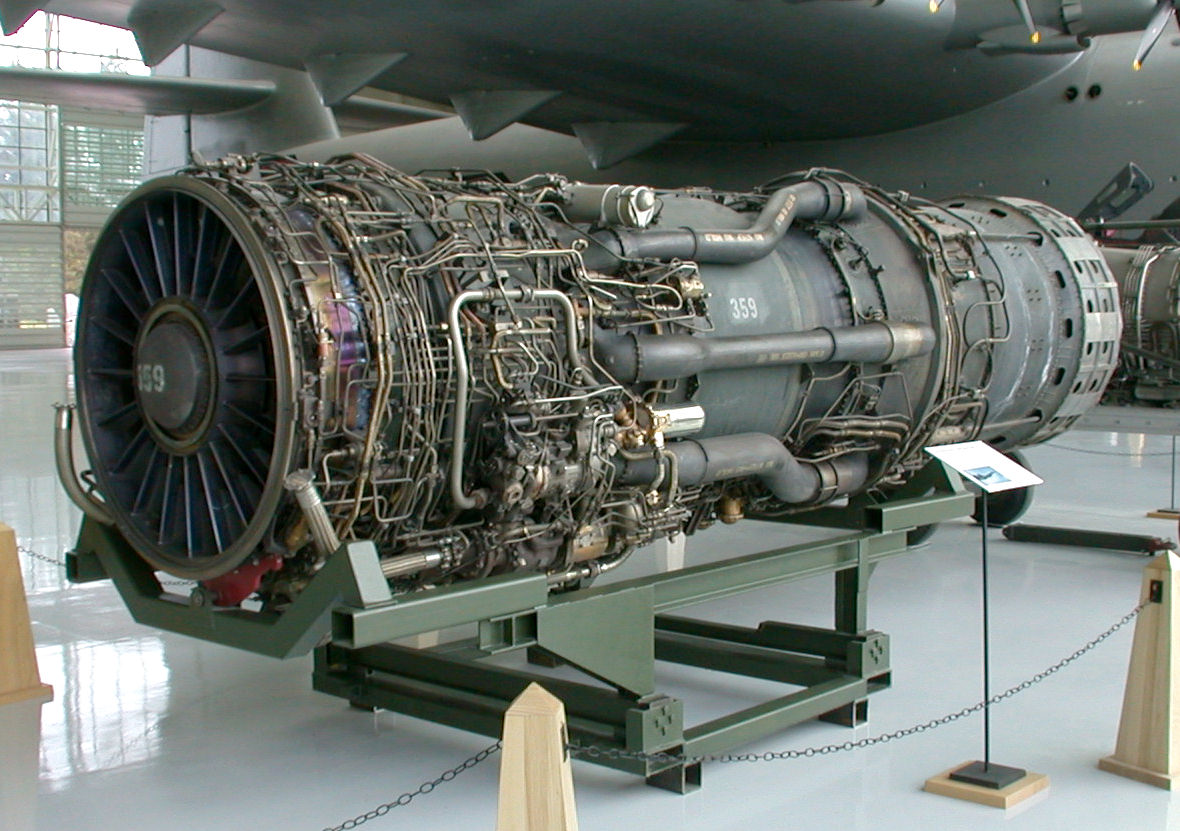
Now, the Blackbird's Pratt & Whitney J58 engines required an intense hot flash of triethylborane in order to fire the motors, and it carried 16 shots of that.
RainHOST
So I guess you got 16 engine starts out of that reservoir.

TowerHOST
The titanium panels were machined with tolerances that allowed thermal expansion when the airframe reached operating temperature.
TowerHOST
Until then, JP-7, a specially formulated fuel with a flashpoint well above standard jet fuel, dripped on the ramp.
TowerHOST
The procedure was to take off, rendezvous with a tanker almost immediately after departure, top off the tanks while the aircraft warmed up and sealed itself, and then accelerate to cruise.
TowerHOST
Think about that for a moment as a pilot.
TowerHOST
The J-58 engines are not on any current maintenance program.
TowerHOST
Pratt & Whitney wound down support for them decades ago.
TowerHOST
The TEB ignition compounds, the specialized JP-7 fuel, the pressure suits, the tanker coordination requirements, all of it represents a supply chain that essentially closed at the end of the last century.
TowerHOST
The pilots and reconnaissance systems officers who flew these aircraft are in their 60s and 70s now.

Ajay KothariPANELIST
I mean, it's heated because it's compressed, right? So when you mix that and you heat it, and then you put some kind of a propellant in it, in this case, fuel, of course, because the air is already there.
Ajay KothariPANELIST
So it could be hydrogen, it could be methane, it could be RP1 or JP7, whatever.
Ajay KothariPANELIST
and then that burns and that creates a thrust for all our commercial planes for the turbine to function.
Ajay KothariPANELIST
If it is a higher speed, then it's a ramjet and then ramjet compresses the air and then you burn again the same air with the same fuel.

Steve TrimbleGUEST
You know, I've heard fun stories in the past about how at the end of the SR-71 flight program, they held a party and had an SR-71 on the ground, burned the remaining fuel, a full afterburner as part of the entertainment, which I hope is true.
Steve TrimbleGUEST
Although it's unfortunate if we don't have any more JP-7, but I heard they did the same thing with the X-51 when that program ended.
Steve TrimbleGUEST
They took one of the remaining aircraft and just burned all the fuel with it as part of just to have fun.
Steve TrimbleGUEST
But that suggests that you can still... produce JP seven since there was some available for the X 51 program, uh, uh, 10 to 13 years after the SR 71 was retired, uh, finally.