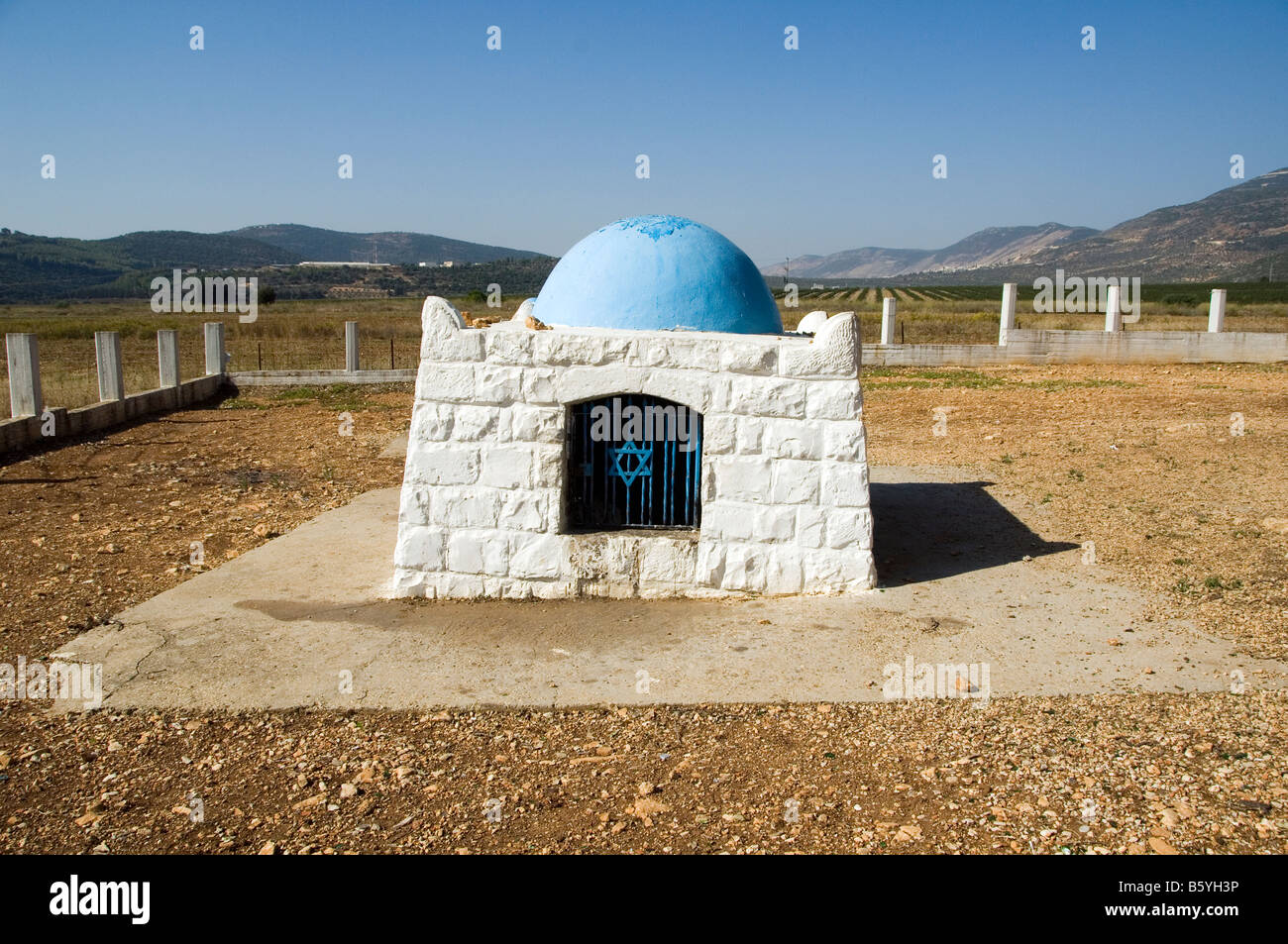
Jose ben Halafta
RabbiWikipedia
342
MENTIONS
69
EPISODES
39
PODCASTS
Search complete. 342 mentions across 69 episodes found for "Jose ben Halafta".
Sep 15, 2026

Maier BorensteinHOST
The one who holds chayiv is Rabbanon.
Maier BorensteinHOST
Rabbi Yossi is the one that holds potter.
Maier BorensteinHOST
Because Rabbi Yossi holds, it has to be the normal way of doing it.
Maier BorensteinHOST
This is going to be our record, what we were saying before, that Rabbi Yossi only might have admitted to Orchei So it's the Amara, where do we find such a Moshe? Netanyahu, Leket Kitzircha, V'lui Leket Kitov, Leket, right, that's the fallen crops, our motor, right, who do they go to? They go to the Ani, but that's only if it was done with a sickle, meaning you were actually doing a normal case of cutting V'lui Leket Kitov, but if you were using your hands, then it's not called Leket for B'Yi Yisrael, and Leket El Abba Mach Matz Kitzir.
Maier BorensteinHOST
Well, that should have sounded redundant if you're paying attention.
Maier BorensteinHOST
Rabbi Yisrael came along and he said, That's what we just said.
Maier BorensteinHOST
And therefore they're Chayiv and Peah.
Maier BorensteinHOST
So what do you see? Even though it says a Lashon, I can see her.

Darren PlatzkyHOST
You go out and pick the fruits in the field.
Darren PlatzkyHOST
That may be right, but doesn't Rabbi Yossi agree? that when it's when it's but even he would acknowledge that he wants a specific use of language that sometimes the the colloquialisms or the way that things are done the way that you that you shear a sheep is by plucking it will be the same thing everyone says no And what's the reason that we don't apply it to goats? It's because of that specific because we saw that it could be a little bit more relaxed on that.
Darren PlatzkyHOST
Because the Pasuk of Yah is And then, it says, Talk about the Kohanim to serve.
Darren PlatzkyHOST
When I'm translating, which is the Pasuk, Then he's close to that.
Darren PlatzkyHOST
Okay, if you did that, the one body says, you patu.
Darren PlatzkyHOST
The one other body says, no.
Darren PlatzkyHOST
Now we come back to explain Rabbi Yossi again.
Darren PlatzkyHOST
Remember, Rabbi Yossi said, even though he wants as a rule...

Aryeh LebowitzHOST
So why would you pasuk like Rabbi Yosi? So Rabbi Yochanan pishmo omra mippichag ezchari Malachi, 'cause, uh, because Rabbi Yosi was not saying it from his own svara He had a tradition that goes back to the Nevi'im, Chagai, Zechariah, Malachi.
Aryeh LebowitzHOST
Okay, so it sounds like if it's a tradition, the Kabbalah, what are you going to do? So the Ran writes that it's a mashma from the Rif that we pasken like Rabbi Yossi against the Beis Shammai and against the Beis Hillel.
Aryeh LebowitzHOST
However, if you look in the Rambam, if it looks bikur and perekur, he paskens like the Beis Hillel, that it's a five zone that are chayiv in Reish Sagays.
Aryeh LebowitzHOST
Okay, Rabbi Yosef ben Akinah somewhere.

Fishel OsterHOST
So it says in the Torah, the term kitzircha.
Fishel OsterHOST
So on that, Rabbi Yossi says that it has to be with a knife, with a sickle, not by hand.
Fishel OsterHOST
Similar here, we could explain that when the Torah says gaze, it has to be done properly with a knife and not like it is by a goat, which is by hand.
Fishel OsterHOST
So it's based on Rabbi Yossi, this answer.
Fishel OsterHOST
But, says the Gemara, or asks the Gemara, Rabbi Yossi agrees.
Fishel OsterHOST
Even though the Torah writes, but if it's something that the derach, the way to... take this, it's not by cutting with a sickle or a knife, but it's by hand, by plucking by hand, that the mitzvah of Leket will apply there.
Fishel OsterHOST
Because that's the way this thing is usually cut.
8 MINS LATER
Fishel OsterHOST
So you have to give from each one of them.

Aryeh LebowitzHOST
Elameata, not se shalizim l'chayiv, but then the goat hairs should be chayiv also, in resh sagesh, Now, goat hairs don't count as giza.
Aryeh LebowitzHOST
Who told you that cutting off the goat, the stuff that grows on the goat, is not called giza? Who's the one that holds that? Rabbi Yossi.
Aryeh LebowitzHOST
Rabbi Yossi holds such a did.
Aryeh LebowitzHOST
Rabbi Yossi also thinks that anything that's normal, anything that's a normal thing to cut off the animal, would be chayiv in resh tzagez.
Aryeh LebowitzHOST
Now, it is normal to be tolish from the goat.
Aryeh LebowitzHOST
You want to say that the way you cut off a goat is not called giza, it's not a shearing of the goat.
Aryeh LebowitzHOST
And Rabbi Yossi holds only shearings on Chayiv and Resh Zagez.
Aryeh LebowitzHOST
Yeah, that's kind of true when it's normal to shear.

Moshe ElefantHOST
Leket means that when you're cutting the grain of the property, the Torah says that if sheaves fall down, the Torah says that we should pick them up.
Moshe ElefantHOST
The Torah speaks about, the wording of the Torah is the Leket Kitzircha So the Gemara is suggesting that what is the word that says Rabbi Yossi? What is that only something that is cut? So here too, we'll say Gizah means only something that is cut.
Moshe ElefantHOST
And if it's not cut, it's not in the family of Gizah, and there is no Halacha of Rosh Hashanah.
Moshe ElefantHOST
But answers the Gemara, Rabbi Yossi agrees, but something which is normally cut, even though Tyrus says, if that's the way you normally pluck it with your hand, it will be included in the category of cut.
Moshe ElefantHOST
So here too, asks the Gemara, when we're speaking about Goat hair, even though goat hair, as we're learning, is not normally clothed, it's just plucked, he agrees that that's the way that it's taken off.
Moshe ElefantHOST
That's considered kitzircha.
Moshe ElefantHOST
But if you're pulling out, Ketuv, that won't apply, the Peter Tanakhama is, that it has to be Kedarkai, the normal way it's cut.
Moshe ElefantHOST
It has to be cut.

Shaya KatzHOST
That even if you removed the wool from the goat, from the sheep, while washing it, you'd still be chayiv to take that wool and give it to the Kohen, or part of it.
Shaya KatzHOST
So what's the difference between these two? It says, Again, Rabbi Yossi is of the opinion that the geziza has to be done in its normal way.
Shaya KatzHOST
And that's not normal.
Shaya KatzHOST
It might be normal to hand pluck from a goat hair, but it's not normal to wash the sheep as a means of removing the wool.
Shaya KatzHOST
So the Gemara says, If Reb Yossi is talking about the harvesting only being chayiv in the way that you harvest it, so then isn't that the same thing as the first opinion in the Breisa? It says, It says, that the second phrase, the second phrase is coming to clarify the first one.
Shaya KatzHOST
Not two separate opinions.
Shaya KatzHOST
Rabbi Yossi believes that anything which is typical is included.
Shaya KatzHOST
How do you know that even plucking it out of the ground you still be chayiv? This is talking about peah.

Avraham Meyer ZajacHOST
So the Torah says that both the original animal remains qadosh and it also affected the second animal v'hayahu utmarasey har qadosh.
Avraham Meyer ZajacHOST
Now the question is, that's some achalikas between Rabbi Meir and Rabbi Yossi.
Avraham Meyer ZajacHOST
Rabbi Meir holds, I'm reading from Rashi on two lines under the Gemara, that if you pointed to the limb of animal number two, and you said, may the Kaddush of animal one go to the limb of animal number two, you affected nothing.
Avraham Meyer ZajacHOST
to which Rabi Yesi disagrees, and he holds that it also affects the whole animal number two.
Avraham Meyer ZajacHOST
So just like when you initially are magdash something, even if you only chop the leg of the animal, that kadusha spreads to everything else, so should timurim.
Avraham Meyer ZajacHOST
Says the Gemara.
Avraham Meyer ZajacHOST
Even a mayor who disagrees with this of Rabbi Yossi.
Avraham Meyer ZajacHOST
There is only if you're Magdash something that the animal can live without.

Avraham Meyer ZajacHOST
So the Torah says that both the original animal remains Kaddush, and it also affected the second animal of our Yehud, Marasi our Kaddush.
Avraham Meyer ZajacHOST
Now the question is, that's some achlekes between Rabbi Meir and Rabbi Yossi.
Avraham Meyer ZajacHOST
Rabbi Meir holds, I'm reading from Rashi, on two lines under the Gemara, that if you pointed to the limb of animal number two, and you said, may the Kaddush of animal one go to the limb of animal number two, you affected nothing.
Avraham Meyer ZajacHOST
to which Rabi Yesi disagrees, and he holds that it also affects the whole animal, number two, the Amar Rabi Yesi, let's put aside our machleikis regarding Timurim.
Avraham Meyer ZajacHOST
When you are a Magnesian animal from the outset, everyone is made a cooler island.
Avraham Meyer ZajacHOST
So just like when you initially are Magnesian something, even if you only hop the leg of the animal, that Kedusha spreads to everything else, so should Timurim.
Avraham Meyer ZajacHOST
says the Gemara, even a mayor who disagrees with this of Rabbi Yossi, there is only if you're Magdash, something that the animal can live without.
Avraham Meyer ZajacHOST
whether it's going to spread to everything or not, there you have to have an argument.

Shloimie FriedmanHOST
And it ends off, What it means to say is, through learning Masech HaSkelem, you're able to be Metar oneself.
Shloimie FriedmanHOST
The Akhrenim Olesk, who is on the side of Mishnah, is one of the Akhrenim that, how could Rabbi Yossi say this if he came...
Shloimie FriedmanHOST
Before Rebbe.
Shloimie FriedmanHOST
Rebbe was Masada the Mishnayis.
59 more episodes mention Jose ben Halafta.
Create an account to see the whole feed, search across every transcript, and follow the entities you care about.