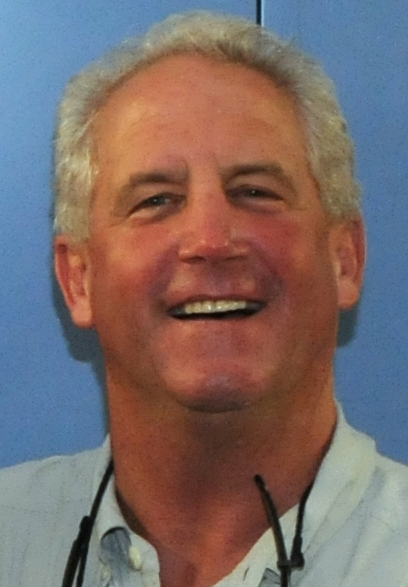
John Fox
American football coach
8
APPEARANCES
8
PODCASTS
Jul 29, 2026

DaveHOST
But the people that I was working for
John FoxGUEST
who owned Everybody's News, it was a couple, husband and wife, and they were just happy.
John FoxGUEST
And they really didn't want to expand distribution, and they didn't really want to professionalize it.
John FoxGUEST
Like, for instance, as the editor of Everybody's News, everybody who wrote for me still wrote for free.
John FoxGUEST
So, you know, it'd be like, you know, if you were staffing the radio station with all volunteers, even if you pay them a little bit, you still have some, they have a little skin in the game and you have some control.
5 MINS LATER
DaveHOST
And it's like, yeah.


Dana SchwartzHOST
But it wasn't long before dark clouds began rolling in from across the Atlantic.

John FoxGUEST
As World War II started heating up, and especially as it broke out in Europe, the Bureau moved back to the national security realm and things changed rapidly.
John FoxGUEST
We went from a couple hundred people in the Bureau to more than 10,000 very quickly.
John FoxGUEST
We were involved with our nation's domestic security, protecting our businesses and government institutions from espionage and sabotage.
John FoxGUEST
And so it was in this atmosphere that the FBI became the principal counter espionage, counterintelligence, counter sabotage force for the United States here in our homeland.
34 MINS LATER
John FoxGUEST
When the government came back and indicted her for espionage, it actually put the idea of the death penalty on the case.

Dana SchwartzHOST
But it wasn't long before dark clouds began rolling in from across the Atlantic.
John FoxGUEST
As World War II started heating up, and especially as it broke out in Europe, the Bureau moved back to the national security realm, and things changed rapidly.
John FoxGUEST
We went from a couple hundred people in the Bureau to more than 10,000 very quickly.
John FoxGUEST
We were involved with our nation's domestic security, protecting our businesses and government institutions from espionage and sabotage.
John FoxGUEST
And so it was in this atmosphere that the FBI became the principal Counter espionage, counter intelligence, counter sabotage force for the United States here in our homeland.
34 MINS LATER
John FoxGUEST
When the government came back and indicted her for espionage, it actually put the idea of the death penalty on the case.

Dana SchwartzHOST
But it wasn't long before dark clouds began rolling in from across the Atlantic.
John FoxGUEST
As World War II started heating up, and especially as it broke out in Europe, the Bureau moved back to the national security realm and things changed rapidly.
John FoxGUEST
We went from a couple hundred people in the Bureau to more than 10,000 very quickly.
John FoxGUEST
We were involved with our nation's domestic security, protecting our businesses and government institutions from espionage and sabotage.
John FoxGUEST
And so it was in this atmosphere that the FBI became the principal counter espionage, counterintelligence, counter sabotage force for the United States here in our homeland.
33 MINS LATER
John FoxGUEST
When the government came back and indicted her for espionage, it actually put the idea of the death penalty on the case.


Mark TilburyHOST
What piece of advice would you give to a youngster nowadays if they wanted to own a beautiful aircraft like
John FoxGUEST
Try everything you think you're going to love and try some of the things that you don't like and you'll surprise your inner heart and something will spark and then follow that path.


Steve KheloussiHOST
It's not necessarily that different stakeholders can't agree on what clinical utility means exactly, but it's more the outcomes that we're talking about.
John FoxGUEST
It's the relevance and the meaningfulness of that net health outcome and how we define that.
John FoxGUEST
This is outside of cancer, but in the pediatric rare disease space, we have whole genome sequencing for the kids who have developmental delay or autism with other features or global developmental delay.
John FoxGUEST
And payers will say, well, if you can't do anything about it, Why does it matter? Well, there are a lot of other benefits to what we call ending the diagnostic odyssey where kids undergo repeated tests or repeated visits to a specialist to try and figure out what's going wrong.

John FoxGUEST
... interpreting, uh, adds a little complexity, but the process of implementing that into a clinical practice and making sure that patients benefit from that technology in, in terms of improving their health outcomes is, is widely varied across the country.
John FoxGUEST
We know today, for example, in non-small cell lung cancer, that about 50% of patients who should be tested aren't.
John FoxGUEST
Uh, but those 50 gene panels don't capture all the biomarkers that are recommended by the National Comprehensive Cancer Network to assess what therapy is appropriate for a patient.
John FoxGUEST
The fundamental question, I think, for you and any oncologist is what are all the, what are the appropriate therapies or therapeutic options for my patients? And not testing for all the relevant biomarkers leaves you in an information void.

speaker_0HOST
This is Inside the FBI.
John FoxGUEST
The Wall of Honor is our way of recognizing those FBI personnel who have died in the line of duty, whether it's from adversarial action or connected to their official duties for the FBI.
speaker_0HOST
Tragically, many other names followed.
John FoxGUEST
We've had people die in plane crashes, whether traveling on official duty or transporting a prisoner.
John FoxGUEST
We've had agents who were ambushed in police offices by someone else coming in and just starting to shoot.
John FoxGUEST
And of course, we've added more than two dozen people since the 9/11 attacks because of those many diseases that our agents and other first responders across the United States are getting because of the heroic work they did in the aftermath.
John FoxGUEST
Just as we recognize our soldiers and sailors and others who die in the line of duty for our country, recognizing those people who are willing to put their lives on the line to protect the lives and liberties of the American people is important.