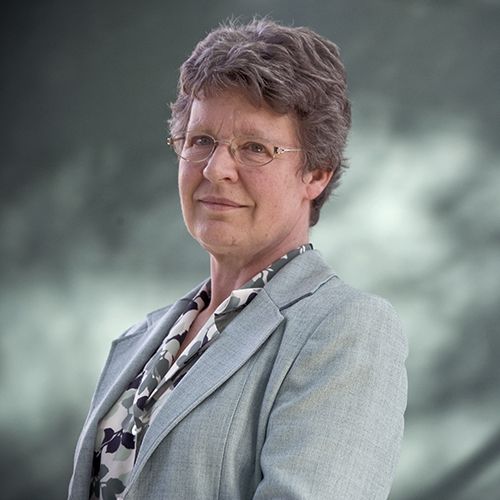
Jocelyn Bell Burnell
PhysicistWikipedia
3
MENTIONS
3
EPISODES
3
PODCASTS
Search complete. 3 mentions across 3 episodes found for "Jocelyn Bell Burnell".
Sep 14, 2026

Alfredo CarpinetiGUEST
And we discovered them...
Alfredo CarpinetiGUEST
Um, well, Dame Jocelyn Bell Burnell discovered them in 1967 by seeing them for the first time in radio waves, uh, as pulsating radio object.
Alfredo CarpinetiGUEST
And so, um, next year is gonna be 50 years since we have discovered them, and we don't know how they emit radio waves.
Moiya McTierHOST
[laughs] Yeah.

speaker_1HOST
We have to look for their gravitational influence on the objects around them.
speaker_0HOST
In 1967, Joshua and Bell Burnell discovered pulsars rapidly rotating neutron stars emitting radio waves, which proved that stars could collapse into incredibly dense, bizarre states.
speaker_0HOST
Then astronomers found a system called Cygnus X-1.
speaker_1HOST
It is a massive visible star that is violently whipping around an invisible heavy companion.