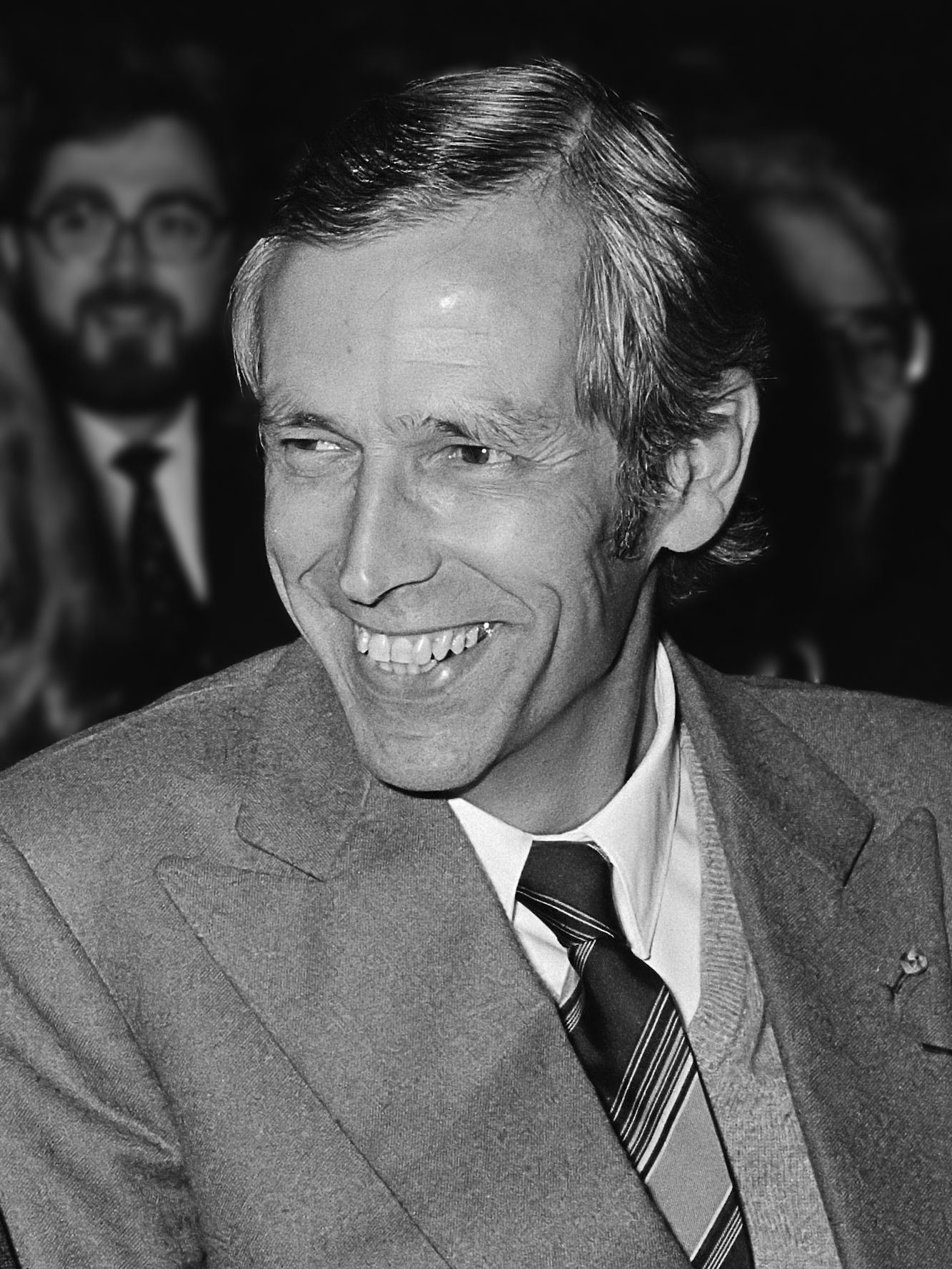
Jacques Piccard
Swiss oceanographer and engineerWikipedia
5
MENTIONS
3
EPISODES
3
PODCASTS
Search complete. 5 mentions across 3 episodes found for "Jacques Piccard".
Oct 30, 2026

Laurence FishburneHOST
So deep it makes curious explorers worldwide wonder, can anything live there?
speaker_12SOUNDBITE_SPEAKER
The first ones to take the plunge are oceanographers Jacques Piccard and Don Walsh in 1960.
speaker_3SOUNDBITE_SPEAKER
And they get in this thing called a bathysphere that descends underwater.
speaker_13SOUNDBITE_SPEAKER
These guys get down to the bottom.

speaker_1HOST
So deep it makes curious explorers worldwide wonder, can anything live there?
speaker_11SOUNDBITE_SPEAKER
The first ones to take the plunge are oceanographers Jacques Piccard and Don Walsh in 1960.
speaker_3SOUNDBITE_SPEAKER
And they get in this thing called a bathysphere that descends underwater.
speaker_12SOUNDBITE_SPEAKER
These guys get down to the bottom.

speaker_2NARRATOR
On the 23rd of January 1960, two men climbed into a steel sphere and sank to the bottom of Challenger Deep.
speaker_2NARRATOR
They were Jacques Piccard, a Swiss oceanographer and engineer whose father, Auguste Piccard, had designed the vessel they were riding in, and Don Walsh, a lieutenant in the United States Navy who'd been assigned to the project as part of the Navy's Deep Submergence Programme.
speaker_2NARRATOR
The vessel was called the Trieste and it was not a submarine.
speaker_2NARRATOR
A submarine is a vessel that moves through the water under its own power, capable of navigating horizontally, diving, surfacing and manoeuvring.
19 MINS LATER
speaker_2NARRATOR
The spike has been found in amphipods from the deepest trenches on Earth, confirming that organic material from the surface, carrying the isotopic signature of Cold War nuclear testing, has reached the most remote ecosystem on the planet and been incorporated into the bodies of its inhabitants.
speaker_2NARRATOR
The deepest place on Earth already carries a human fingerprint, written in radioactive carbon.
speaker_2NARRATOR
You are lying on the floor of Challenger Deep now, on the pale diatomaceous ooze that Jacques Piccard described more than sixty years ago.
speaker_2NARRATOR
A sediment so fine and so soft that if you pressed your hand into it, the impression would remain for years.