Intensive outpatient program
69
MENTIONS
22
EPISODES
22
PODCASTS
Search complete. 69 mentions across 22 episodes found for "Intensive outpatient program".
Sep 23, 2026

Leslie RoseHOST
Dr. Krause is a double board-certified clinical psychologist, Bronze Star recipient, and former chief of behavioral health at Fort Bragg, where she led the Army's largest behavioral health program overseeing mental health services for thousands of soldiers and their families.
Leslie RoseHOST
So she now applies that crisis expertise to adolescent care, helping parents understand when IOP or PHP may be the right level of support between weekly therapy and hospitalization.
Leslie RoseHOST
I think you're really going to love what she has to share with you today.
Leslie RoseHOST
what's up parents and teens it's me leslie and welcome to the healthy teen life podcast where we cover teen and college age young adult health and wellness topics i'm so excited to be spending this time with you and if you're new to the podcast then thank you and welcome to the healthy teen life it's always really great to have new friends join us I know you have a lot going on in your life, so I think it's really cool that you're taking your time to listen and learn something new that I hope will help you live healthier and happier, even if it's just a tiny bit that I've done my job.
5 MINS LATER
Leslie RoseHOST
So what you're saying is group therapy does shift that dynamic and then also the frequency of when you're meeting.
Stacey KraussGUEST
It does.
Stacey KraussGUEST
And yeah, Some of the more specialized types of group care, the technical names for them are intensive outpatient programs, IOP, and partial hospitalization programs, PHP, which is kind of a misnomer because there's no hospital involved.
Stacey KraussGUEST
You just get the same amount of hours of care that you would at a hospital.

ColeyGUEST
Met some people there that night, some really nice people.
ColeyGUEST
And then I went to IOP Monday, I believe Tuesday and Thursday.
ColeyGUEST
IOP was really good.
ColeyGUEST
It was a lot of education.
ColeyGUEST
They gave me a therapist.
ColeyGUEST
So I'm doing that.
ColeyGUEST
You know, we're meeting like once a week.
ColeyGUEST
I'm going to IOP.

Adriana PopescuGUEST
It's known as day treatment.
Adriana PopescuGUEST
And then from there, stepped down to IOP, so intensive outpatient.
Adriana PopescuGUEST
So in total, we probably had her about 90 days.
Adriana PopescuGUEST
And in that time, I did work with her directly.

Derek CookGUEST
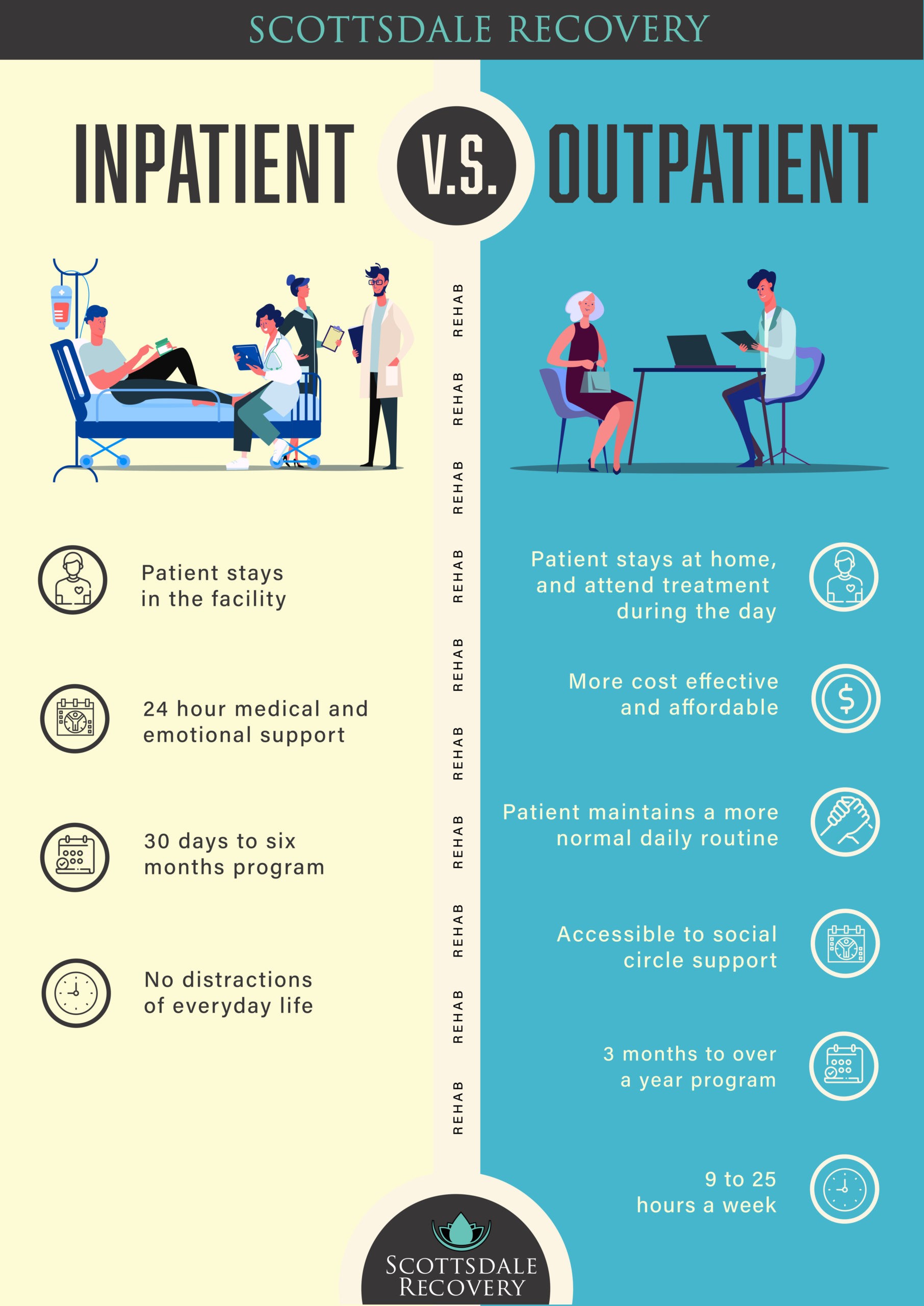
Outpatient therapy, weekly sessions, works when a teen can still attend school and keep basic routines.
Derek CookGUEST
An IOP steps up from there.
Derek CookGUEST
It's several hours a day on scheduled treatment days while the teen still lives at home.
Derek CookGUEST
And it's recommended when someone needs more than weekly therapy, but not a full day of programming.
Derek CookGUEST
They work, and there's data behind it.
Derek CookGUEST
PHP treatment has been shown to reduce anxiety and depression symptoms for adolescents both with and without suicidal thoughts and behaviors.
Derek CookGUEST
On the IOP side, adolescents treated showed significant improvement across measures of depression, suicidal ideation and behavior, and non-suicidal self-injury.
Derek CookGUEST
And separately, one 2025 outcomes report found that 96% of IOP graduates said they felt more equipped to face their fears after finishing the program.

Julia HavaHOST
I'm gonna talk about that later, 'cause it's actually seems like it's a very effective drug for postpartum depression.
Julia HavaHOST
The social workers there placed me in the IOP where I was finally able to get it.
Julia HavaHOST
Thank God for drugs.
Julia HavaHOST
As hesitant as I was to take off of work and do the IOP in the first place, my friends reassured me that taking care of myself was the harder, braver thing to do in this situation, and I'm so glad I did.
Julia HavaHOST
The Lindsay Clancy case felt spookily familiar to me.
Julia HavaHOST
It wasn't as though she or myself didn't try several times to get help, but there's no infrastructure or literacy around postpartum mental health in this country until it becomes an emergency months after giving birth.

Lonnie HarrisGUEST
And then from there, uh, you'll be entered into an outpatient therapy group.
Lonnie HarrisGUEST
We love our i- intensive outpatients, IOP groups.
Lonnie HarrisGUEST
And, uh, you'll meet with me.
Lonnie HarrisGUEST
I'm a case manager.

Andrea AbbateHOST
[laughs] Maybe, and not Amsterdam.
Ian MichaelGUEST
"I need to go somewhere." So I just called this like random IOP.
Ian MichaelGUEST
They, they took me-
Andrea AbbateHOST
What's IOP?
Ian MichaelGUEST
Intensive outpatient.
Andrea AbbateHOST
Wow.
Andrea AbbateHOST
I mean, I don't know.
Andrea AbbateHOST
Do you know what IOP is? No.

Bill ReynoldsGUEST
And so some people, again, they don't want to jump into residential.
Bill ReynoldsGUEST
Starting an outpatient IOP or a partial hospitalization program is a good way to dip your toes in as well.
Bill ReynoldsGUEST
I'll tell you, we've had a lot of people that start at the Meadows Outpatient Centers and then it's determined, hey, you really do need a higher level of care and we can do a seamless transition to our main campus here.
Bill ReynoldsGUEST
They can be familiar with the programming that they've already received at the outpatient center.

Joanna ContiGUEST
I was thinking, "You're lying to me just to get our money," and my daughter's life is at stake, and it was just so upsetting.
Joanna ContiGUEST
So fortunately, we were usually able to find effective treatment, and over the next six years she was in, uh, several different residential centers.
Joanna ContiGUEST
She went to IOPs, she went to sober living for extended periods.
Joanna ContiGUEST
And our, our story has a really positive ending, because she has now been in recovery for 13 years and has been able to completely turn her life around.
Joanna ContiGUEST
She has-

David GarciaGUEST
I did 90 days of what they call res and PHP, which is partial hospitalization patient, I believe.
David GarciaGUEST
And then after that, you do what's called IOP, which is intensive outpatient.
David GarciaGUEST
IOP is normally done at a halfway house and you go to groups.
David GarciaGUEST
Little by little, they give you a little more freedom.
David GarciaGUEST
You eventually find yourself a job.
David GarciaGUEST
You start trying to live a normal life.
David GarciaGUEST
You go to meetings, groups, et cetera, therapy.
David GarciaGUEST
All in all, I was 90 days, like I said, resident PHP, 90 days IOP, although they had PHP IOP.
12 more episodes mention Intensive outpatient program.
Create an account to see the whole feed, search across every transcript, and follow the entities you care about.