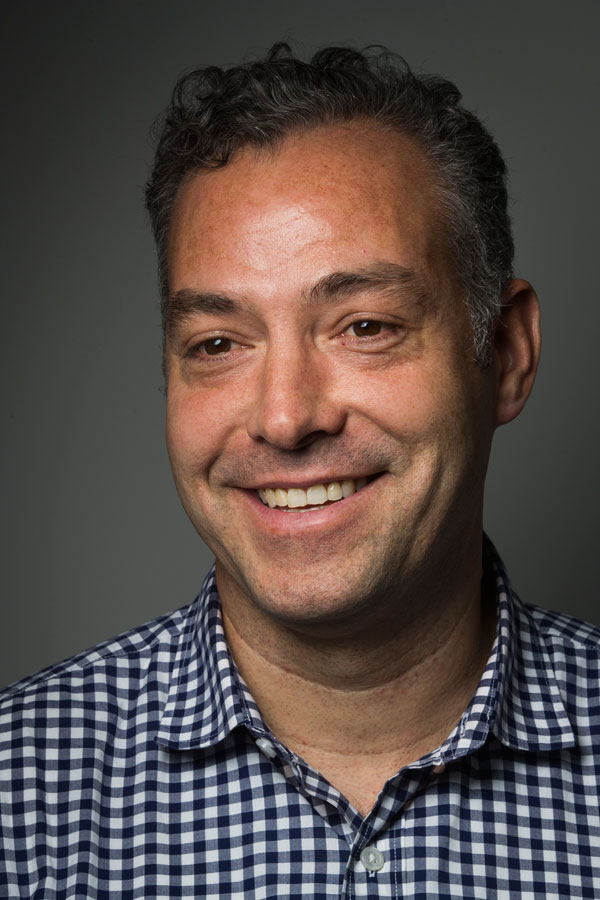
Ian Urbina
American reporterWikipedia
35
MENTIONS
9
EPISODES
9
PODCASTS
Search complete. 35 mentions across 9 episodes found for "Ian Urbina".
Oct 19, 2026

Andrew LewinHOST
And she mentioned after the time I recorded last time, she was like, you have to talk to the people.
Andrew LewinHOST
You have to talk to Ian.
Andrew LewinHOST
You have to talk to Mike.
Andrew LewinHOST
You have to talk to the people because once they break this story, this is going to be huge.
Andrew LewinHOST
I can say infractions, but just they've done some god awful things to people and fishery slaves and everything like that that we've gone over on this episode.
Andrew LewinHOST
When you saw the opportunity to work with the Outlaw Ocean Project, did you make that connection right off the bat? Or you were just like, I wonder what this is about? Or how did you find out about this project?
Maya MartinGUEST
I really found out about it through getting employed as an intern of Ian Urbina in 2019, which was actually the year that the Outlaw Ocean Project was founded.
Maya MartinGUEST
So going into that job interview, I had no idea what I was getting into.

Andrew LewinHOST
And she mentioned after the time I recorded last time, she was like, you have to talk to the people.
Andrew LewinHOST
You have to talk to Ian.
Andrew LewinHOST
You have to talk to Mike.
Andrew LewinHOST
You have to talk to the people because once they break this story, this is going to be huge.
Andrew LewinHOST
I can say infractions, but just they've done some god awful things to people and fishery slaves and everything like that that we've gone over on this episode.
Andrew LewinHOST
When you saw the opportunity to work with the Outlaw Ocean Project, did you make that connection right off the bat? Or you were just like, I wonder what this is about? Or how did you find out about this project?
Maya MartinGUEST
I really found out about it through getting employed as an intern of Ian Urbina in 2019, which was actually the year that the Outlaw Ocean Project was founded.
Maya MartinGUEST
So going into that job interview, I had no idea what I was getting into.

Madeleine BrandHOST
Journalists with the Outlaw Ocean Project traveled the globe and documented overfishing, forced labor, pollution, food insecurity, and misleading claims about sustainability.
Madeleine BrandHOST
Ian Urbina is the founder and reporter for the Outlaw Ocean Project, a nonprofit news outlet that investigates human rights, labor abuses, and environmental crimes.
Madeleine BrandHOST
Welcome.
Ian UrbinaGUEST
Thanks for having me.
9 MINS LATER
Madeleine BrandHOST
Well, thank you so much for coming on the show today, and thank you for your reporting.
Ian UrbinaGUEST
Thanks for having me.
Madeleine BrandHOST
That's Ian Urbina.
Madeleine BrandHOST
He's the founder of the Outlaw Ocean Project.

Mina KimHOST
We eat a lot of fish and shrimp in this country, and much of it is imported from farms.
Mina KimHOST
We moved in the direction of farmed fish to reduce overfishing of our oceans, but journalist Ian Urbina's five-year investigation finds that relying on farmed fish is worsening the problem of overfishing, as it sweeps up vast numbers of small ocean fish to feed the farmed salmon or other seafood consumers love.
Mina KimHOST
And if that weren't bad enough, the food for fish, or fish meal industry, also pollutes and uses forced labor.
Mina KimHOST
Ian joins us now to talk about his investigation into the farmed seafood supply chain by his organization The Outlaw Ocean Project, which he just wrote about for The New York Times Magazine.
8 MINS LATER
Ian UrbinaGUEST
It's a net, and anything that it can catch it does, whether that's turtles or sharks or seabirds or tuna.
Ian UrbinaGUEST
You know, whatever's in the way, it's gonna gather up, and that is a big problem 'cause there's a lot of bycatch, which is inadvertent killing of species that really you shouldn't be using for such a low-grade purpose.
Mina KimHOST
We're talking with Ian Urbina, founder and director of The Outlaw Ocean Project.
Mina KimHOST
The organization's new investigation, recently published in The New York Times Magazine, is called The Dirty Secret Behind the Farmed Fish You Eat.

TedHOST
Here's a disturbing article.
TedHOST
The Dirty Secret Behind the Farmed Fish You Eat by Ian Urbina.
TedHOST
Those of us who have recently eaten farm-raised seafood are participating in a developing environmental crisis.
TedHOST
That would be bad enough, but the so-called reduction industry driving the crisis also flouts the law and puts people in danger.

Matt GallowayHOST
For the past five years, the nonprofit news organization The Outlaw Ocean Project has investigated the fish meal industry, and today it's releasing its findings in a project called Food for Feed.
Matt GallowayHOST
Ian Urbina is a Pulitzer Prize-winning journalist.
Matt GallowayHOST
He's director of The Outlaw Ocean Project.
Matt GallowayHOST
He's in Washington, D.C. this morning.
23 MINS LATER
Matt GallowayHOST
Thank you very much.
Ian UrbinaGUEST
Thanks for having me.
Matt GallowayHOST
Ian Urbina is director of The Outlaw Ocean Project.
Matt GallowayHOST
The group's latest investigation is Food for Feed.

Matt GallowayHOST
For the past five years, the nonprofit news organization, the Outlaw Ocean Project, has investigated the fish meal industry, and today it's releasing its findings in a project called Food for Feed.
Matt GallowayHOST
Ian Urbina is a Pulitzer Prize winning journalist.
Matt GallowayHOST
He's director of the Outlaw Ocean Project.
Matt GallowayHOST
He's in Washington, D.C. this morning.
23 MINS LATER
Matt GallowayHOST
Thank you very much.
Ian UrbinaGUEST
Thanks for having me.
Matt GallowayHOST
Ian Urbina is director of the Outlaw Ocean Project.
Matt GallowayHOST
The group's latest investigation is food for feed.

Paula GaleHOST
Last year, more than 30,000 tons was produced, but a lot more salmon that ends up on plates around the world comes from China, including from the Xinjiang region, which is landlocked and known for its deserts.
Paula GaleHOST
To talk about this, we have reached journalist Ian Urbina once again.
Paula GaleHOST
He's with a nonprofit called The Outlaw Ocean Project, which has been investigating the fish farming industry in this part of China.
Paula GaleHOST
Before we get into this report, tell us about the Xinjiang region and why it now has fish farms.
11 MINS LATER
Paula GaleHOST
And Ian, now before we let you go, where can people find this reporting?
Ian UrbinaGUEST
Uh, theoutlawocean.com will have it all.
Paula GaleHOST
That was journalist Ian Urbina.
Paula GaleHOST
He's the founder of The Outlaw Ocean Project.

Pete BethuneGUEST
We've run out of those.
Pete BethuneGUEST
But I also have one time we took Ian Urbina, who's a Pulitzer Prize winning journalist.
Pete BethuneGUEST
We took him out chasing the Chinese squid boats west of Galapagos.
Pete BethuneGUEST
And to get in there, what we did, so we took my ship out there and we changed our MMSI number.