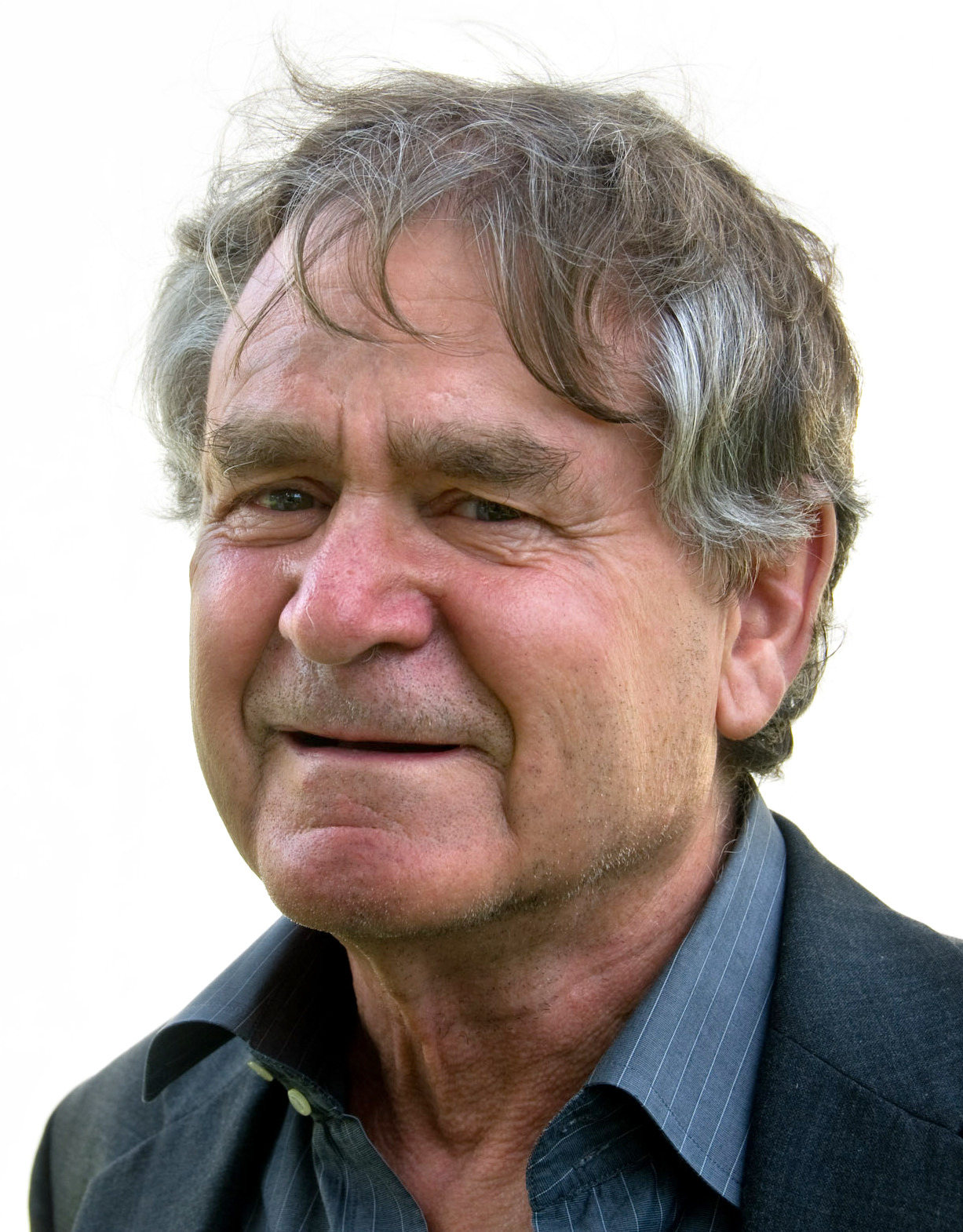
Ian Hacking
Canadian philosopherWikipedia
10
MENTIONS
7
EPISODES
7
PODCASTS
Search complete. 10 mentions across 7 episodes found for "Ian Hacking".
Sep 30, 2026

David Z. MorrisGUEST
And even if you know that you are the one who came up with the numbers for the math.
Liz FranczakHOST
There's a great book called The Teaming of Chance by Ian Hacking, which kind of goes through, he has a bunch of books on this, on like the history of statistics and probability.
Liz FranczakHOST
And he has a, there's also Making Up People, which is sort of the like, how categorization of social behaviors and all that comes to shape actual subjects and all this stuff.
Liz FranczakHOST
But it's a great...

Michael LutzHOST
About, like, what is good and bad probability.
Cameron KunzelmanHOST
You ever read that Ian Hacking book on probability?
Michael LutzHOST
No.
Cameron KunzelmanHOST
It's called The Invention of Probability.
Michael LutzHOST
He actually does it like every other sentence.
Michael LutzHOST
He's like, you're probably getting tired of hearing this.
Cameron KunzelmanHOST
That's the fun thing about Ian Hacking is like a philosopher of science.
Cameron KunzelmanHOST
He was kind of that guy.

Anatarabin KafHOST
Yeah, that's true.
Anatarabin KafHOST
He actually critiques Ian Hacking because he's like, yeah, we're close.
Anatarabin KafHOST
Where he's like, Ian Hacking describes his method as genealogy of the present.
Anatarabin KafHOST
And he's like, yes, we need to do that and then also project it to the future.
Anatarabin KafHOST
So it's like you not only give, here's the antecedent consequences of history and you weave it together, but you also do something.

Paul HuttonGUEST
But that just misses the point is that people, and the same with schizophrenia, people are having negative consequences because of the classification and we need to take that seriously you know and i think think about why is that what's going on there and that's again i that's not to say that people aren't suffering or need help i'm not i don't you know that i completely recognize the very great suffering pain and difficulty people are experiencing and i'm not calling for these things to be abolished or anything like that but i am saying we need to be very mindful and very very aware of And conversations about validity alone sort of miss the point, you know? And so we need to think about how the way we classify people changes.
Paul HuttonGUEST
And the great person who wrote on this was obviously Ian Hacking, who passed away a couple of years ago.
Paul HuttonGUEST
And when the last DSM came out, he did a wonderful...
Paul HuttonGUEST
He did a book review of DSM-5.

Robert ShillerHOST
Uh, before that, nobody ever said that.
Robert ShillerHOST
Ian Hacking, who is a, uh-- who wrote a history of probability theory, searched th-through world literature for any reference to a probability and could find none anywhere before sixteen hundred.
Robert ShillerHOST
So there was an intellectual leap that occurred in the seventeenth century, uh, and it became, uh, very, um, fashionable [laughs] to talk in the terms of probabilities.
Robert ShillerHOST
It spread throughout the world, the idea of quoting probabilities.
Robert ShillerHOST
No, what I, uh, what, uh, uh, apparently she meant is trustworthy, okay? That's a very important quality in a person, I suppose, right? So if something is probable, you mean that you can trust it, okay? And so probability means trustworthiness.
Robert ShillerHOST
And so, uh, the pr-- uh, you can see how they moved from that definition of probability to the, uh, current definition.
Robert ShillerHOST
Um, but Ian Hacking, being a good historian, uh, thought, you know, someone must have had some concept of probability going before, uh, even if they didn't quote it as a number the way-- It must have been in their head or in their idea.
Robert ShillerHOST
So he searched through world literature to try to find some use of the term that, uh, preceded the 1600s, and he concluded that there were probably a number of people who had the idea, but they didn't publish it, [laughs] and it never became part of the established, um, um, uh, literature.

Susan JamesGUEST
They included Elizabeth Anscombe and Bernard Williams, among others.
Susan JamesGUEST
And also, importantly to me, Ian Hacking, who had a more historical background approach to philosophy.
Susan JamesGUEST
He was more interested in, as it were, the kind of cultural context in which philosophical ideas developed.
Susan JamesGUEST
And I think I found that very influential and also attractive.

Peter GalisonGUEST
Well, let me say something about HPS and then say something about images.
Peter GalisonGUEST
When I first went to Stanford, where I taught for 10 years, Ian Hacking and Nancy Cartwright, Pat Supies, a whole bunch of people.
Peter GalisonGUEST
And we had what others call the Stanford School.
Peter GalisonGUEST
But what was held in common was an interest in scientific practice.