hypervigilance

hypervigilance

ConditionWikipedia

Search complete. 19 mentions across 14 episodes found for "hypervigilance".

Sep 11, 2026

Cody ButlerHOST
54:32
If you are obsessing over stuff, it's because you are emotionally dependent right now.
Cody ButlerHOST
54:36
Hypervigilance reveals the nervous system instability and deregulation.
Cody ButlerHOST
54:40
If you're hypervigilant, it's because your nervous system is entirely dysregulated right now.
Cody ButlerHOST
54:45
Again, now we've got a diagnosis.
Eli GoldbergGUEST
9:50
And the part is, the idea of that is to transition back to civilian life.
Eli GoldbergGUEST
9:55
We don't want you going from that locked and loaded mindset that you have in combat, which is effective in combat, but then you come home and that same, you know, think about just hypervigilance, classic PTSD symptom, right? Hypervigilance is very good in a war zone.
Eli GoldbergGUEST
10:09
It keeps you safe.
Eli GoldbergGUEST
10:10
hyper vigilance in a civilian environment not as effective so a lot of these things that the american army has an acronym called uh battle mind i think it's called familiar i don't know if this is maybe a newer thing okay it's their it's their uh training for how to come home and so like b is buddies a is uh aggression right aggression is good in a war zone it's not good when you're with your wife and kids um T is targeted lethality, right? You want to be lethal in a war zone.
MichelleHOST
10:22
Before we go into the teaching, I wanna show you what the research says about what you've just heard described, because I think caregivers deserve to know that what they're experiencing has been studied, documented, and named by researchers around the world.
MichelleHOST
10:39
Hypervigilance in caregiving is not a personality trait.
MichelleHOST
10:43
It is a psychological adaptation.
MichelleHOST
10:46
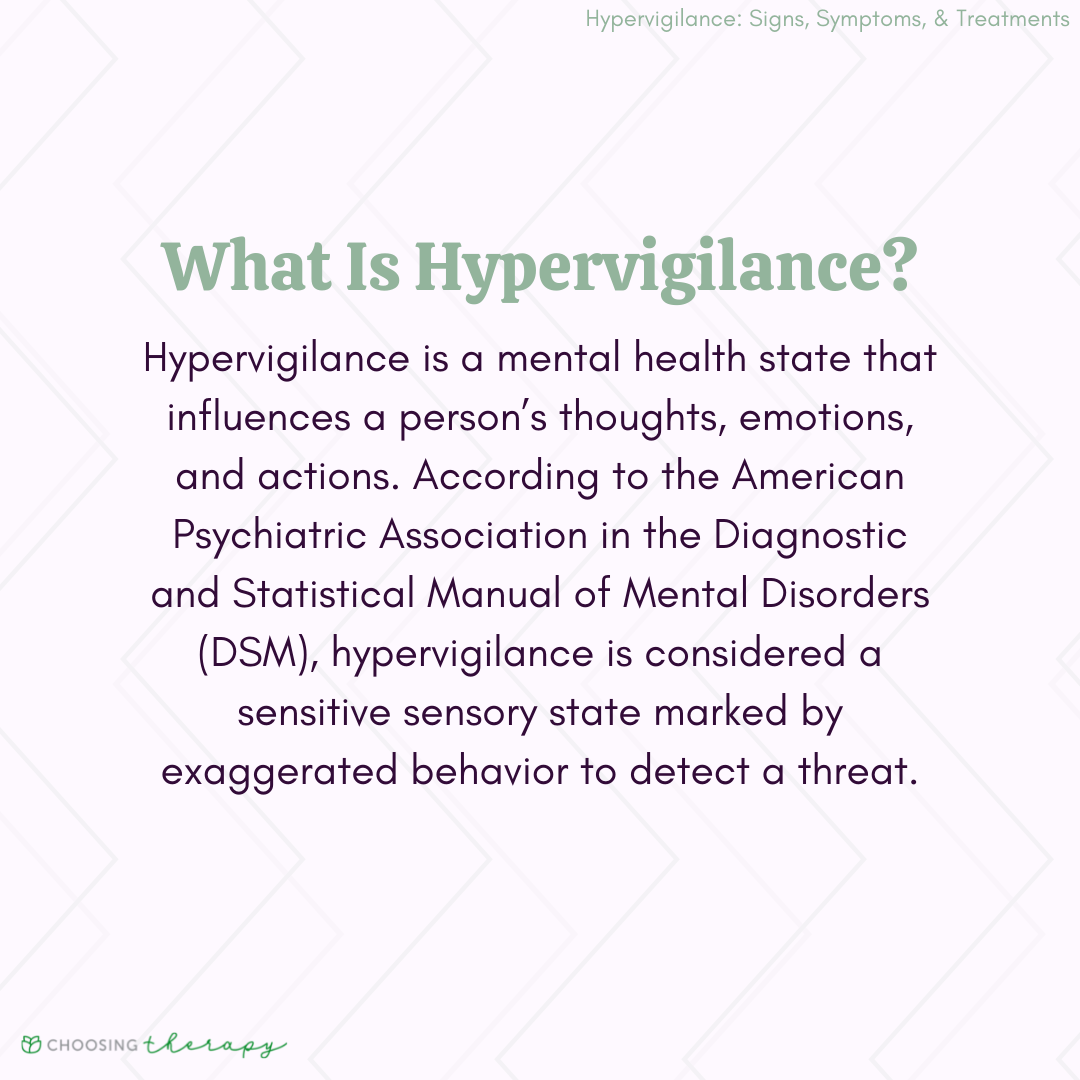
Research defines it as a state of being highly or abnormally alert to potential danger or difficulty, and in caregiving populations, it has been documented as one of the most common and most sustained nervous system responses to chronic caregiver stress.
MichelleHOST
15:17
All right, let's build the framework, because understanding what's happening is the beginning, but I wanna give you something you can actually use.
MichelleHOST
15:25
What hypervigilance actually is and why it develops in caregiving.
MichelleHOST
15:29
Hypervigilance is your nervous system's response to an environment where threat has been real, repeated, and unpredictable.
MichelleHOST
15:37
It is not the same as anxiety, though it can coexist with it.

Unknown podcast

Episode 19 Can a Broken Relationship Ever Be Fixed?

Sep 4 · 1 Mention

speaker_1UNKNOWN
32:25
Very bleak.
speaker_0UNKNOWN
32:26
Hypervigilance, the dread, the allostatic exhaustion, the contempt, the phantom limb pain, the sabotage.
speaker_0UNKNOWN
32:32
So the obvious glaring screaming question is, why on earth do people stay?
speaker_1UNKNOWN
32:36
That is the million dollar question.
AtaviaHOST
8:02
It experiences it as a threat.
AtaviaHOST
8:05
That's what hypervigilance is.
AtaviaHOST
8:07
Hypervigilance is your nervous system going, something bad is coming, stay ready.
AtaviaHOST
8:12
And it doesn't care that you're only watching your own stomach.
AtaviaHOST
8:16
Your body cannot tell the difference between a threat outside of you and watching for one inside of you.
Susan WilbanksHOST
15:11
And I am speaking from experience here.
Susan WilbanksHOST
15:13
Hypervigilance shrinks our world.
Susan WilbanksHOST
15:16
However, awareness helps us to practice moderation and non-excessiveness.
Susan WilbanksHOST
15:21
That's another one of the virtues that we practice in Pranic Healing.
Jordan ApodacaHOST
5:26
On top of this, your brain becomes hypervigilant after infidelity.
Jordan ApodacaHOST
5:30
Hypervigilance is basically just the idea that you're not wanting to be blindsided again.
Jordan ApodacaHOST
5:35
You're wanting to make sure that you don't get caught off guard again.
Jordan ApodacaHOST
5:38
And so you start to become intensely aware of things like changes in your partner's voice, inconsistencies, like minor inconsistencies in what they say.
Kelly SiegelHOST
0:51
A kid who learned how to read a room for danger before he learns to read gets very good at exactly one thing, scanning the room for threats forever.
Kelly SiegelHOST
1:05
Hypervigilance was my first job.
Kelly SiegelHOST
1:08
Watching the front door, watching the beer count, watching the mood of my mother and my stepfather, watching if anything was going to tilt and get off keel.
Kelly SiegelHOST
1:19
That skill kept me alive at eight.
Jo StoneHOST
4:01
Our brains are creatures of habit.
Jo StoneHOST
4:04
We have decades of reps. Hypervigilance has become extraordinarily efficient and the dominant pathway for our brain.
Jo StoneHOST
4:15
There are these things that happen inside our brain called ants, automatic negative thoughts.
Jo StoneHOST
4:22
And you, my friend, probably have lots of ant invasions.
Jeremy PollackHOST
9:26
I want you to notice the sort of vicious circularity here.
Jeremy PollackHOST
9:29
Chronic stress makes you hypervigilant.
Jeremy PollackHOST
9:32
Hypervigilant sharpens your threat bias and your negativity bias.
Jeremy PollackHOST
9:36
Those biases make you notice more danger.
Jeremy PollackHOST
9:39
Noticing more danger produces more stress.

4 more episodes mention hypervigilance.

Create an account to see the whole feed, search across every transcript, and follow the entities you care about.

We value your privacy

We use cookies to understand how you use our platform and to improve your experience. Click “Accept All” to consent, or “Decline non-essential” to opt out of non-essential cookies. Read our Privacy Policy.