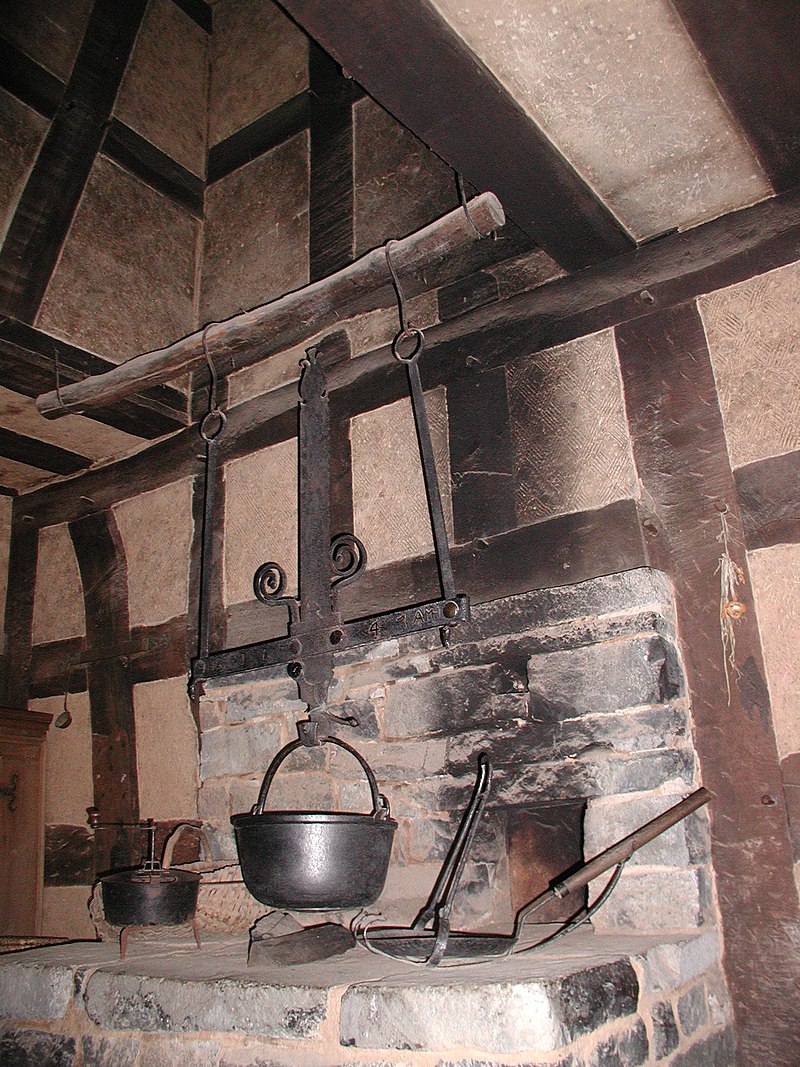
Hearth
BookWikipedia
65
MENTIONS
22
EPISODES
22
PODCASTS
Search complete. 65 mentions across 22 episodes found for "Hearth".
Sep 13, 2026

Hannah DowellVOICE_ACTOR
Priests, as am I of Zeus, And these the flower of our youth, Meanwhile the common folk with wreathed bows crowd our two market-places, or before both shrines of palace congregate, or where Ismenes gives his oracles by fire.
Hannah DowellVOICE_ACTOR
for as thou seest thyself our ship of state sore buffeted can no more lift her head foundered beneath a weltering surge of blood a blight is on our harvest in the ear a blight upon the grazing flocks and herds a blight on wives in travail and withal armed with his blazing torch the god of plague hath swooped upon our city emptying the house of cadmus and the murky realm of pluto is full fed with groans and tears Therefore, O King, here at thy hearth we sit, I and these children, not as deeming thee a new divinity, but the first of men, first in the common accidents of life, and first in visitations of the gods.
Hannah DowellVOICE_ACTOR
Art thou not he who, coming to the town of Cadmus, freed us from the tax we paid to the fell songstress? Nor hast thou received prompting from us, or been by others schooled.
Hannah DowellVOICE_ACTOR
no by a god inspired so all men deem and testify didst thou renew our life and now o oedipus our peerless king all we thy votaries beseech thee find some succour whether by a voice from heaven whispered or haply known by human wit tried counsellors methinks are aptest found furnished for the future pregnant Praise, O chief of men, appraise our state.
55 MINS LATER
Andy MinterVOICE_ACTOR
so of some malady he died poor man
Carolyn FrancisVOICE_ACTOR
yes having measured the full span of years
Andy MinterVOICE_ACTOR
out on it lady why should one regard the pythian hearth or birds that scream there did they not point at me as doomed to slay my father but he's dead and in his grave and here am i who ne'er unsheathed a sword unless the longing for his absent son killed him and so i slew him in a sense but as they stand the oracles are dead dust ashes nothing dead as polybius diogenes say did not i foretell this long ago diogenes thou didst but i was misled by my fear diogenes
LinneyVOICE_ACTOR
then let i no more weigh upon thy soul Must

Charles SpurgeonSOUNDBITE_SPEAKER
That is the best religion which is most at home at home.
Charles SpurgeonSOUNDBITE_SPEAKER
Grace which smiles around the family hearth is grace indeed.
Charles SpurgeonSOUNDBITE_SPEAKER
If your own household cannot see that you are godly, depend upon it.
Charles SpurgeonSOUNDBITE_SPEAKER
Nobody else can.

Charlotte DurkettNARRATOR
by Aeschylus.
Daniel VermontVOICE_ACTOR
clansmen of cadmus at the signal given by time and season must the ruler speak who sets the course and steers the ship of state with hand upon the tiller and with eye watchful against the treachery of sleep for if all go aright thank heaven men say but if adversely which may god forfend one name on many lips from street to street would bear the brute and rumour of the time down with ateocles a clamorous curse a dirge of ruin may averting zeus make good his title here in cadmus hold you it beseems now boys unripened yet to lusty manhood men gone past the prime and increase of the full begetting seed and those whom youth and manhood well combined array for action all to rise in aid of city shrines and altars of all powers who guard our land that ne'er to end of time be blotted out the sacred service due to our sweet motherland and to her brood for she it was who to their guest-right called your waxing youth was patient of the toil and cherished you on the land's gracious lap alike to plant the hearth and bear the shield in loyal service for an hour like this mark now until to-day luck rules our scale for we though long beleaguered in the main have with our sallies struck the foeman hard but now the seer the feeder of the birds whose art unerring and prophetic skill of ear and mind divines their utterance without the lore of fire interpreted foretelleth by the mastery of his art that now an onset of achaia's host is by a council of the night designed to fall in double strength upon our walls up and away then to the battlements the gates the bulwarks don your panoplies array you at the breastwork take your stand on floorings of the towers and with good heart stand firm for sudden sallies at the gates nor hold too heinous a respect for hordes sent on you from afar some god will guard i too for shrewd as spiel of their camp have sent forth scouts and confidence is mine they will not fail nor tremble at their task and with their news i fear no foeman's guile
Cynthia MoyerVOICE_ACTOR
enter a spy high king of cadmus's folk i stand here with news certified and sure from argos's camp things by myself seven warriors yonder doughty chiefs of might into the crimsoned concave of a shield have shed a bull's blood and with hands immersed into the gore of sacrifice have sworn by ares lord of fight and by thy name blood lapping terror let our oath be heard either to raze the walls make void the hold of cadmus strive his children as they may or dying here to make the foeman's land with blood impasted then as memory's gift unto their parents at the far-off home chaplets they hung upon adrastus's car with eyes tear-dropping but no word of moan for their steeled spirit glowed with high resolve as lions pant with battle in their eyes for them no weak alarm delays the clear issues of death or life i parted thence even as they cast the lots how each should lead against which gate his serried company rank then thy bravest with what speed thou mayst hard by the gates to dash on them for now full armed the onward ranks of argos come the dust whirls up and from their panting steeds white foamy flakes like snow bedew the plain thou therefore chieftain like a steersman skilled enshield the city's bulwarks ere the blast of war comes darting on them hark the roar of the great land-storm with its waves of men take fortune by the forelock for the rest by yonder dawn-light will i scan the field clear and aright and surety of my word shall keep thee scatheless of the coming storm
Daniel VermontVOICE_ACTOR
o zeus and earth and city guarding gods and thou my father's curse of baneful might spare ye at least this town nor root it up by violence of the foemen stock and stem For here, from home and hearth, rings Hella's tongue.
Daniel VermontVOICE_ACTOR
Forbid that ere the yoke of slavery should bow this land of freedom, Cadmus hold.
Daniel VermontVOICE_ACTOR
Be ye her help.

speaker_5NARRATOR
It's also mostly fantasy.
speaker_5NARRATOR
the truth is far stranger and far more impressive yes neanderthals used caves archaeological evidence proves that but they weren't cave-dwellers in the way we imagine they didn't spend their lives cowering in the dark scared of the outside world they used caves the way modern humans might use a cabin or a seasonal camp a place to shelter during the worst weather a refuge when you need it but not a permanent home the majority of neanderthal sites that archaeologists have discovered are open-air camps temporary settlements on river terraces in valley bottoms on hillsides with good views of game migration routes these weren't crude sleeping spots many show evidence of sophisticated construction windbreaks made from branches and animal hides hearths carefully positioned to maximise heat distribution tool making areas separate from sleeping areas showing they understood the importance of camp organization some sites show evidence of structures that would have required days of work to build circular arrangements of mammoth bones and tusks probably used as foundations for tent-like shelters these weren't emergency camps thrown together in an afternoon these were planned construction projects the work of people who understood engineering principles and expected to use these shelters repeatedly over multiple seasons and they moved a lot analysis of stone tool raw materials shows that neanderthal groups regularly travelled circuits covering dozens of miles following seasonal resources tracking animal migrations exploiting different food sources as they became available They knew their territories intimately, every water source, every good hunting spot, every place where flint or other tool-making materials could be found.
speaker_5NARRATOR
But here's where it gets really intense.
speaker_5NARRATOR
What were they hunting? Because this is where the Neanderthal story becomes almost unbelievable.
10 MINS LATER
speaker_5NARRATOR
Hearths weren't just for warmth and cooking.
speaker_5NARRATOR
They were the centre of Neanderthal social life.
speaker_5NARRATOR
Archaeological sites show that tool-making, food processing and social activities all clustered around hearths.
speaker_5NARRATOR
fire provided light during the long winter nights it kept predators away it made tough meat digestible and some toxic plants safe to eat it was fundamental to their survival But here's what's interesting.

Pamela NagamiNARRATOR
These boats drew little water, and could be concealed very easily.
Pamela NagamiNARRATOR
The chiefs of these bands of Vikings, as the Northmen were called, never sought refuge under a roof or emptied their drinking-horns by a hearth:—The eager prince would drink his yule at sea And play Frey's game [war] if he had his will.
Pamela NagamiNARRATOR
From his youth up he loathed the fire boiler, Hearth, and sitting indoors,—the warm bower And the bolster full of down Their method of attack was to ascend some river, hide their boat in a favorable spot, and then fall upon the nearest village.
Pamela NagamiNARRATOR
If they met with a determined resistance they would feign a flight, but when the enemy scattered in pursuit they would form again and renew the attack.They are well cared for, the warriors That cast dice in Harald's court! They are endowed With wealth and with fair swords, with the ore Of the Huns, and with maids from the East.
Pamela NagamiNARRATOR
They are glad When they have hopes of a battle.

speaker_11SOUNDBITE_SPEAKER
The little pottery Santa Clauses.
speaker_11SOUNDBITE_SPEAKER
You'd like one, sir, to brighten Hearth and Home for the coming Yule season?
Frank GrahamSOUNDBITE_SPEAKER
Maybe.
Frank GrahamSOUNDBITE_SPEAKER
I saw one of them a little while ago.

speaker_5VOICE_ACTOR
agony around
speaker_19VOICE_ACTOR
around in airy rings they wheel with orage of their wings or pan or zeus but hear the cry the exile cry the wail forlorn of birds from whom their home is torn of those who wrought the rapine fell heaven sends the vengeful fiends of hell even so doth zeus the jealous lord and guardian of the hearth and board Her to buy back in war and blood, whom one did wed, but many wooed.
speaker_19VOICE_ACTOR
And many, many, by his will, the last embrace of...
speaker_5VOICE_ACTOR
on
40 MINS LATER
speaker_5VOICE_ACTOR
The leafy coppices among are no rangers, they, of wood and field, but huntsmen of the sword and shield.
speaker_5VOICE_ACTOR
Heaven's jealousy, that works its will, sped thus on Troy its destined enemy.
speaker_5VOICE_ACTOR
but they to whom that song befell did turn an aunt of tears again zeus tarries but avenges still the husband's wrong the household's stain he the hearth's lord brooks not to see its outraged hospitality even now and in far other tone troy chants her dirge of mighty moan woe upon paris woe doomed for mate, this is the burden of the groan, wherewith she wails disconsolate, the blood so many of her own have poured in vain to fend her fate, Troy thou hast fed and freed to roam, a lion cub within thy home, a suckling creature, newly tamed from mother's teat, still Even as an infant has it lain, Or fawns and nicks by hunger pressed, The hand that will assuage its pain, In life's young dawn a well-loved guest, A fondling for the children's play, A joy unto the old and grey.
speaker_5VOICE_ACTOR
But waxing time and growth betrays The bloodthirst of the lion-raised, all, it revels there, and bloody recompense repays, red flesh of time, its talons tear, a mighty beast that slays and slays, and mars with blood the household fair, a god-sent pest invincible, a minister of fate and hell.

speaker_2NARRATOR
with
speaker_3NARRATOR
view to matrimony if possessed of means well it is a trifle hardly worth considering one way or the other he does not insist upon it on the other hand he does not exclude ladies of means the main idea is matrimony it is sad to reflect upon a young lady said to be good-looking let us say good-looking and be done with it a neighbourhood does not rise up and declare a girl good-looking if she is not good-looking that is only her modest way of putting it let us say a young lady good-looking well-educated of affectionate disposition it is undeniably sad to reflect that such an one matrimonially inclined should be compelled to have recourse to the columns of a matrimonial journal what are the young men in the neighbourhood thinking of what more do they want is it venus come to life again with ten thousand a year that they're waiting for it makes me angry with my own sex reading these advertisements and when one thinks of the girls that do get married but life is a mystery the fact remains here is the ideal wife seeking in vain for a husband and here immediately underneath i will not say the ideal husband he may have faults none of us are perfect but as men go a decided acquisition to any domestic hearth an agreeable gentleman fond of home life none of your gadabouts calls aloud to the four winds for a wife any sort of wife provided she be of a serious disposition in his despair he has grown indifferent to all other considerations
Julie van WallichemNARRATOR
is there in
speaker_3NARRATOR
this world he has said to himself

Alan MapstoneNARRATOR
All LibriVox recordings are in the public domain.
Alan MapstoneNARRATOR
For more information or to volunteer, please visit LibriVox.org. To the Rural Muse by John Clare muse of the fields oft have i said farewell to thee my boon companion loved so long and hung thy sweet harp in the bushy dell for abler hands to wake an abler song much did i fear my homage did thee wrong yet loath to leave as oft i turned again and to its wires mine idle hands would cling torturing it into song it may be vain yet still i try ere fancy droops her wing and hopeless silence comes to numb its every string muse of the pasture brooks on thy calm sea of poesy i've sailed and though the will to speed were greater than my prowess be i ventured with much fear of usage ill yet more of joy though timid be my skill as not to dare the depth of mightier streams yet rocks abide in shallow ways and i have much of fear to mingle with my dreams yet lovely muse i still believe thee by and think i see thee smile and so forget i sigh muse of the cottage hearth oft did i tell my hopes to thee nor feared to plead in vain but felt around my heart thy witching spell that bade me as thy worshipper remain i did so and still worship oh again smile on my offerings and so keep them green bedeck thy fancies like the clouds of even mingling all hues which thou from heaven dost glean to me a portion of thy power be given if themes so mean as mine may merit aught of heaven for thee in youth i culled the simple flower that on thy bosom gained a sweeter hue and took thy hand along life's sunny hour meeting the sweetest joys that ever grew more friends were needless and my foes were few though freedom then be deemed as rudeness now and what once won thy praise now meet disdain yet the last wreath i braided for thy brow thy smiles did so commend it made me vain to weave another one and hopeful praise again with thee the spirit of departed years wakes that sweet voice which time hath rendered dumb and freshens like to spring love's hopes and fears that in my bosom found an early home wooing the heart to ecstasy i come to thee when sick of care of joy bereft seeking the pleasures that are found in bloom o happy hopes that time hath only left around the haunts where thou didst sojourn then smile sweet muse again and welcome my return with thee the raptures of life's early day appear and all that pleased me when a boy though pains and cares have torn the best away and winters creep between us to destroy do thou commend the recompense is joy the tempest of the heart shall soon be calm though sterner truth against my dreams rebel hope feels success and all my spirits warm to strike with happier mood thy simple shell and seize thy mantle's hem oh say not fare thee well still sweet enchantress youth's strong feelings move that from thy presence their existence took the innocent idolatry and love paying thee worship in each secret nook that fancied friends in tree and flower and brook shaped clouds to angels and beheld them smile and heard commending tongues in every wind life's grosser fancies did these dreams defile yet not entirely root them from the mind i think i hear them still and often look behind i i have heard thee in the summer wind as if commending what i sung to thee i i have seen thee on a cloud reclined kindling my fancies into poesie i saw thee smile and took the praise to me in beauties past all beauty thou wert dressed i thought the very clouds around thee knelt i saw the sun to linger in the west paying thee worship and as eve did melt in dews they seemed thy tears for sorrows i had felt Sweeter than flowers on beauty's bosom hung, Sweeter than dreams of happiness above, Sweeter than themes by lips of beauty sung, Are the young fancies of a poet's love, When round his thoughts thy trancing visions move.
Alan MapstoneNARRATOR
in floating melody no notes may sound the world is all forgot and past his care while on thy harp thy fingers lightly bound as winning him its melody to share and heaven itself with him where is it then but there e'en now my heart leaps out from grief and all the gloom thrown round by cares o'ershading wing e'en now those sunny visions to recall like to a bird i quit dull earth and sing life's tempests swoon to calms on every string ah sweet enchantress if i do but dream if earthly visions have been only mine my weakness in thy service woos esteem and proves my truth as almost worthy thine surely true worship makes the meanest theme divine and still warm courage calming many a fear heartens my hand once more thy harp to try to join the anthem of the minstrel year for summer's music in thy praise is high the very winds about thy mantle sigh love melodies thy minstrel bards to be insects and birds exerting all their skill floating continued song for mastery while in thy haunts loud leaps the little rill to kiss thy mantle's hem and how can i be still there still i see thee fold thy mantle grey to trace the dewy lawn at morn and night and there i see thee in the sunny day withdraw thy veil and shine confest in light burning my fancies with a wild delight to win a portion of thy blushing fame though haughty fancy treat thy power as small and fashion thy simplicity disclaim should but a portion of thy mantle fall or him who woos thy love tis recompense for all not with the mighty to thy shrine i come in anxious sighs or self-applauding mirth on mount parnassus as thine heir to rome i dare not credit that immortal birth but mingling with the lesser ones on earth like as the little lark from off its nest beside the mossy hill awakes in glee to seek the morning's throne a merry guest so do i seek thy shrine if that may be to win by new attempts another smile from thee if without thee neath storms and clouds and wind i've roamed the wood and field and meadow lee and found no flowers but what the vulgar find nor met one breath of living poesy among such charms where inspirations be the fault is mine and i must bear the lot of missing praise to merit thy disdain to feel each idle plea though urged forgot i can but sigh though foolish to complain or hope so fair begun to find them end so vain then will it prove presumption thus to dare to add fresh failings to each faulty song urging thy blessings on an idle prayer to sanction silly themes it will be wrong for one so lowly to be heard so long yet sweet enchantress yet a little while forego impatience and from frowns refrain the strong are ne'er debarred thy cheering smile why should the weak who need the most complain alone in solitude soliciting in vain but if my efforts on thy harp prove true which bashful youth at first so feared to try if aught of nature be in sounds i drew from hope's young dreams and doubt's uncertainty to these late offerings not without their sigh then on thine altar shall these themes be laid and past the deeds of graven brass remain filling a space in time that shall not fade and if it be not so avert disdain till dust shall feel no sting nor know it toiled in vain End of poem read by Alan Mapstone On May Morning by John Clare This LibriVox recording is in the public domain.
Alan MapstoneNARRATOR
lady tis thy desire to move far from the world's ungentle throng lady tis thy delight to love the muses and the sons of song nor taste alone is theme to praise for thou canst touch the minstrel wire and while that praising others lays wake notes that any may admire forgive me if in friendship's way i offer thee a wreath of may i greet thee with no gaudy flowers for thou art not to fashions prone but rather loves the woodland bowers where nature's beauties charm alone the passion flower and serious fine by wealth and pride are reared alone yet flowers more sweet nor less divine spring's humbler fields and forests own to every hand and bosom given and nourished by the jews of heaven the little violet's bloom i weave in wreaths i'm fain that thou shouldst prize although it comes at winter's eve and often in the tempest dies the primrose too a doubtful dream of what precarious spring may be yet would i not these types should seem aught fancy feigns resembling thee and thus belie thy gentle heart where worldly coldness hath no part here too are boughs of opening may and lilies of the valley fair yet not with idle praise to say their types of wot is sweet and fair i cropped one from the pasture hedge the others from the forest dell and thou hast given the muses pledge such scenes delight thy bosom well tis not thy person wakes my lays thy heart alone i mean to praise forgive me though i flatter not youth's beauties it was thine to wear have been by riper years forgot though thou hast had a happy share and i might praise for many a grace that lives and lingers yet behind but they like flowers shall change their place not so the beauties of the mind so i have ivy placed between to prove that worth is ever green the little blue forget-me-not comes too on friendship's gentle plea springs messenger in every spot smiling on all remember me but gaudy tulips find no place in garlands friendship would bestow yet here the cowslip shows its face prized for its sweetness more than show emblems to pomp and pride inclined would but offend a modest mind i would not on may's garland fling the laurel to the muse and thee for fashion's praise a common thing hath made of that once sacred tree and trust me many laurels wear that grew not on parnassus hill yet dare and speed tis yours to bear the muses laurels if you will let flattery think her wreaths divine merit by its own worth will shine oh when i view the glorious host of poets to my country born though sorrow was the lot of most and many shared the sneers of scorn that now by time and talent tried give life to fame's eternal son oh when i mark the glorious pride that england from her bards hath won e'en i the meanest of the throng warm into ecstasy and song the highest gifts each kingdom claims are minstrels on the muses throne and bards who've won the richest fames tis england's noblest pride to own shakespeare's and milton's they that air the fame's immortal o'er decay and scott's and byron's born to wear the honours of a later day who join to present past renown and sing eternity to crown these from proud laurels never won their fames and honours more divine they like the grand eternal sun confer their glories where they shine the laurel were a common bow had it not decked the poet's crown and even weeds so common now placed there would augur like renown bloom satellites in glory's way proud as the laurel and the bay lady and thou hast chosen well to give the muses thy regard their taste from pleasure bears the bell their feeling finds its own reward though genius often while she makes life's millions happy with her songs from sorrow's cup her portion takes and struggles under bitterest wrongs to cares of life and song unknown the poet's fame be thine alone poem thoughts in a churchyard a happy spot how still it seems where crowds of buried memories sleep how quiet nature o'er them dreams tis but our troubled thoughts that weep life's book shuts here its pages lost with them and all its busy claims the poor are from its memory crossed the rich leave nothing but their names there rest the weary from their toil there lie the troubled free from care who through the strife of life's turmoil sought rest and only found it there with none to fear his scornful brow there sleeps the master with the slave and heedless of all titles now repose the honoured and the brave there rest the miser and the heir both careless who their wealth shall reap e'en love finds cure for heartaches here and none enjoys a sounder sleep the fair one far from folly's freaks as quiet as her neighbour seems unconscious now of rosy cheeks without a rival in her dreams strangers alike to joy and strife heedless of all its past affairs there blotted from the list of life and absent from its teasing cares grief joy hope fear and all their crew that haunt the memory's living mind ceased when they could no more pursue and left a painless blank behind life's ignis facius light is gone no more to lead their hopes astray care's poison cup is drained and done and all its follies passed away the bills made out the reckoning paid the book is crossed the business done on them the last demand is made and heaven's eternal peace is won end of poem sonnet by john clare to napoleon the heroes of the present and the past were puny vague and nothingness to thee thou didst a span grasp mighty to the last and strain for glory when thy die was cast that little island on the atlantic sea was but a dust-pot in a lake thy mind swept space as shoreless as eternity thy giant powers outstripped this gaudy age of heroes and as looking at the sun so gazing on thy greatness made men blind to merits that had adoration won in olden times the world was on thy page of victories but a comma fame could find no parallel thy greatness to presage End of poem On an infant killed by lightning By John Clare This LibriVox recording is in the public domain.

Thomas CopelandNARRATOR
But the 1645 text and Milton's manuscript read self-consumed, M apostrophe D, after which word there is to be understood a metrical pause to mark the violent transition of the thought.
Thomas CopelandNARRATOR
self-fed and self-consumed if this fail again in the second line of the sonnet to a nightingale professor masson has warblest at eve when all the woods are still but the early edition which probably follows milton's spelling though in this case we have no manuscript to compare reads warblest so the original text of samson line six seventy has tempest the retention of the old system of punctuation may be less defensible but i have retained it because it may now and then be of use in determining a point of syntax the absence of a comma for example after the word hearse in the fifty eighth line of the epitaph on the marchioness of winchester printed by professor masson thus and some flowers and some bays for thy hearse to strew the ways no comma after bays but in the sixteen forty five edition and some flowers and some bays for thy hearths to strew the ways with a comma after bays goes to prove that for here must be taken as apostrophe for before Of the Paradise Lost, there were two editions issued during Milton's lifetime, and while the first has been taken as our text, all the variants in the second, not being simple misprints, have been recorded in the notes.
Thomas CopelandNARRATOR
In one respect, however, in the distribution of the poem into twelve books instead of ten, it has seemed best, for the sake of practical convenience, to follow the second edition.
Thomas CopelandNARRATOR
A word may be allowed here on the famous correction among the errata prefixed to this edition, Lib 2, verse 414, for we, W-E, read we, W-E-E.
12 more episodes mention Hearth.
Create an account to see the whole feed, search across every transcript, and follow the entities you care about.