Glymphatic system
62
MENTIONS
13
EPISODES
12
PODCASTS
Search complete. 62 mentions across 13 episodes found for "Glymphatic system".
Sep 17, 2026

Julie JonesHOST
But we're also going to combine this with another symptom of Parkinson's, which many people say is one of the nemesis of the condition.
Julie JonesHOST
So we're going to be thinking and talking today about the glymphatic system.
Julie JonesHOST
And this is really just the waste recovery system that is in our body.
Julie JonesHOST
And so if this system doesn't work well, waste products build up over time.
Julie JonesHOST
And then as a result of that, it can cause damage to the brain cells.
Julie JonesHOST
So we're going to look at both the glymphatic system today and its impact on sleep and how we're looking at sleep as a means to help perhaps boost the function of the glymphatic system.
Julie JonesHOST
So when we look at sleep, it's roughly about 50 to 75% of those living with Parkinson's feel that they have some trouble getting to sleep, staying asleep or having a good quality sleep.
Julie JonesHOST
So taking on board how many people are affected by it, it seemed a really good idea Helga to have a conversation about sleep today.

speaker_8ADVERTISER
Visit Coinstar.com to find a Coinstar kiosk near you today.
Deplorable JanetHOST
So the next system that we have is the glymphatic system.
Deplorable JanetHOST
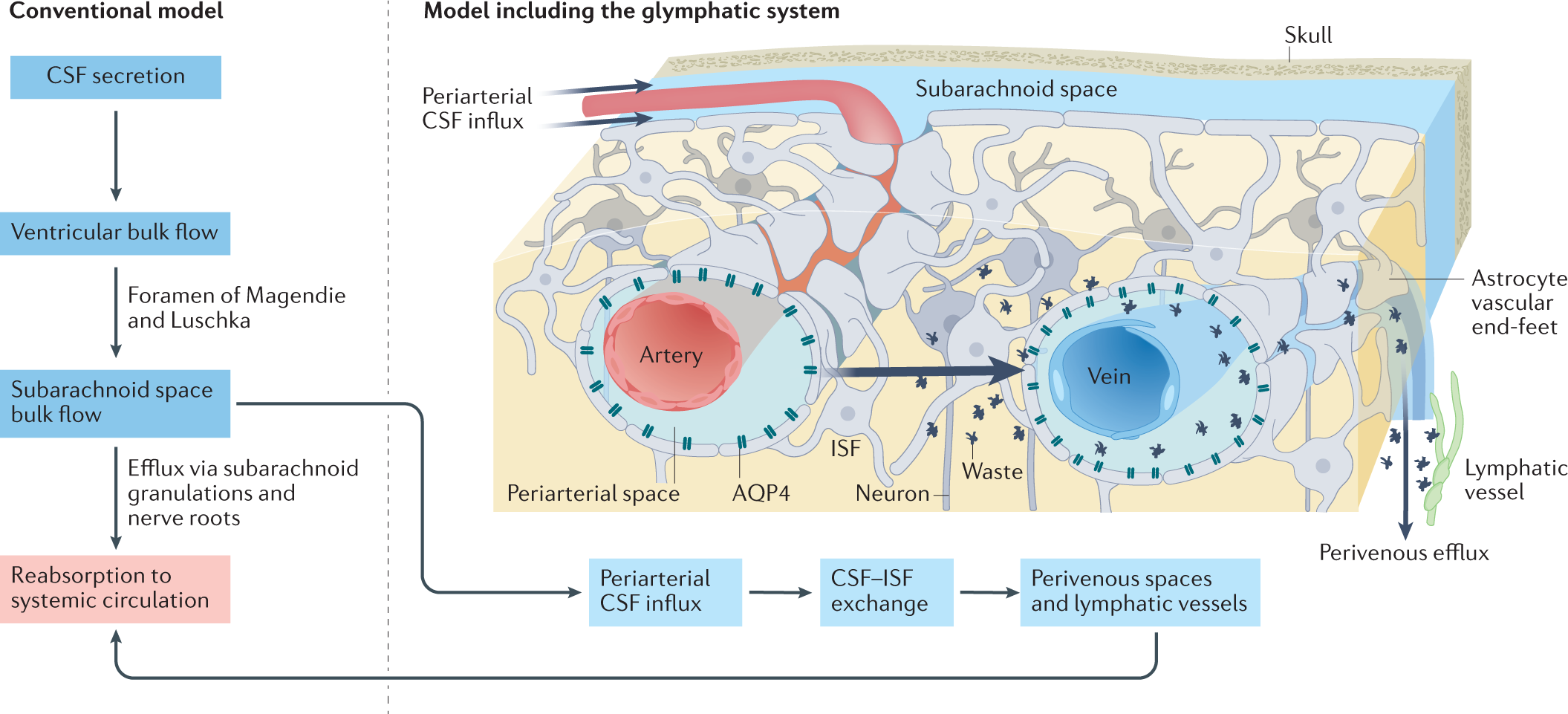
Um, and so that is the brain's waste clearance network, and so it involves cerebral spinal fluid moving through spaces associated with blood vessels and exchanging interstitial fluid, which is the fluid that's in between the cells that keeps everything lubricated.
Deplorable JanetHOST
Um, and so this helps remove, like metabolic waste and, and all those kind of things out of brain tissue-
NicoleHOST
Mm
Deplorable JanetHOST
... which is highly important, and one of the major things to keep your glymphatic system healthy is sleep.
NicoleHOST
Mm.
Deplorable JanetHOST
Really good sleep.

Paul TaylorHOST
And now we get to the part that really caught my attention because you might quite reasonably be saying, "Hey, that's great, but I'm not gonna sit in an MRI scanner breathing 5% carbon dioxide." Um, fair point, but what else increases CO2? Breath holding, and that is where the third paper comes in.
Paul TaylorHOST
Reimann and colleagues published a paper called "Harnessing Brain Rhythms to Activate the Glymphatic Pathway via Controlled Breathing and Intermittent CO2." And they put forward what I think is a pretty fascinating hypothesis and a pretty solid one to boot.
Paul TaylorHOST
Now, as I mentioned earlier, during non-REM sleep, some of the vascular oscillations associated with cerebrospinal m- uh, fluid movement occur at around 0.02 hertz, and that means roughly one cycle every 50 seconds.
Paul TaylorHOST
That's what I talked about right at the start.

Justin RoethlingshoeferGUEST
Now, yes, the liver, the kidneys, the lymphatic, they all get the toxins out.
Justin RoethlingshoeferGUEST
But then the glymphatic system... lymphatic with a G, glymphatic system.
Justin RoethlingshoeferGUEST
Think of it like the street sweeper for the cells comes in and grabs- That's in the brain, right? Yep, comes in through the brain.
Justin RoethlingshoeferGUEST
And it takes all of the toxins that all of those other things have eliminated and it gets it to the appropriate delivery sites.
Justin RoethlingshoeferGUEST
But the glymphatic system is only active.
Justin RoethlingshoeferGUEST
It's like a light switch.
Justin RoethlingshoeferGUEST
It's only active during those middle two sleep stages, which is why you need 38 to 50%.
Justin RoethlingshoeferGUEST
Well, what's the first thing that high capacity leaders often give up? Sleep.

Gary MyersGUEST
It's always a privilege and a pleasure to have anything to say about this great vision and about Yahweh's purpose, pattern, and plan.
Gary MyersGUEST
I wanted to present a system in the brain called the glymphatic system.
Gary MyersGUEST
I presented it like 12 years ago or so.
Gary MyersGUEST
It's a washing of the brain.
Gary MyersGUEST
So I'll try to get to it quick.
Gary MyersGUEST
I got some notes and stuff and some things for the reader to read.
Gary MyersGUEST
The glymphatic system is named after the lymphatic system.
Gary MyersGUEST
The lymphatic system takes waste out and drops it into blood, and the blood takes it to the kidneys and whatnot.

Adrienne ScharliHOST
So the rest of your body has a lymphatic system that drains out toxins, but the brain doesn't have this kind of system.
Adrienne ScharliHOST
So the brain's dishwasher, if you want to call it this, is the glymphatic system.
Adrienne ScharliHOST
It was only discovered recently.
Adrienne ScharliHOST
This is literally your brain's cleaning system.

Chris MotleyHOST
Number two, we're going to talk about brain fog, how your brain cleanses at night through a drainage detox pattern.
Chris MotleyHOST
in deep sleep called the glymphatic system.
Chris MotleyHOST
It's lymphatic drainage of your brain.
Chris MotleyHOST
And also let's review lymphatic massage.
30 MINS LATER
Chris MotleyHOST
It will help your GLP-1 work better and more efficiently, and it won't stress your system just as much.
Chris MotleyHOST
So recall that if you're on that or you know somebody who is.
Chris MotleyHOST
The next is the glymphatic system.
Chris MotleyHOST
The glymphatic system is the lymph system of the brain.

Yvonne CouchNARRATOR
Dementia researcher with a blog and a rating.
Yvonne CouchNARRATOR
Glymphatics, a discussion.
Yvonne CouchNARRATOR
I was running low on things to discuss when I got sucked into an accidental science chat via email with some colleagues.
Yvonne CouchNARRATOR
I genuinely can't remember how it started, but it concluded with the fact that we have to have a journal club where we do a he said, she said argument about whether or not brain glymphatics actually exist.

ClaireHOST
Yes.
ClaireHOST
That's the glymphatic system, which was discovered by Macon Niedergaard back in 2012.
ClaireHOST
It is a dedicated network in the brain that uses cerebrospinal fluid to flush out toxic waste proteins.
JulianHOST
Specifically beta amyloid and tau, right?
14 MINS LATER
JulianHOST
That right there is Dr. Yeo's dual literacy in action.
JulianHOST
The ancient clinical texts observed defensive energy moving inward to perform internal repair work.
JulianHOST
2,000 years before a functional MRI or a modern microscope ever allowed a neuroscientist to watch the glymphatic system shrinking brain cells to flesh out amyloid proteins.
ClaireHOST
They were describing the exact same biological reality.
3 more episodes mention Glymphatic system.
Create an account to see the whole feed, search across every transcript, and follow the entities you care about.