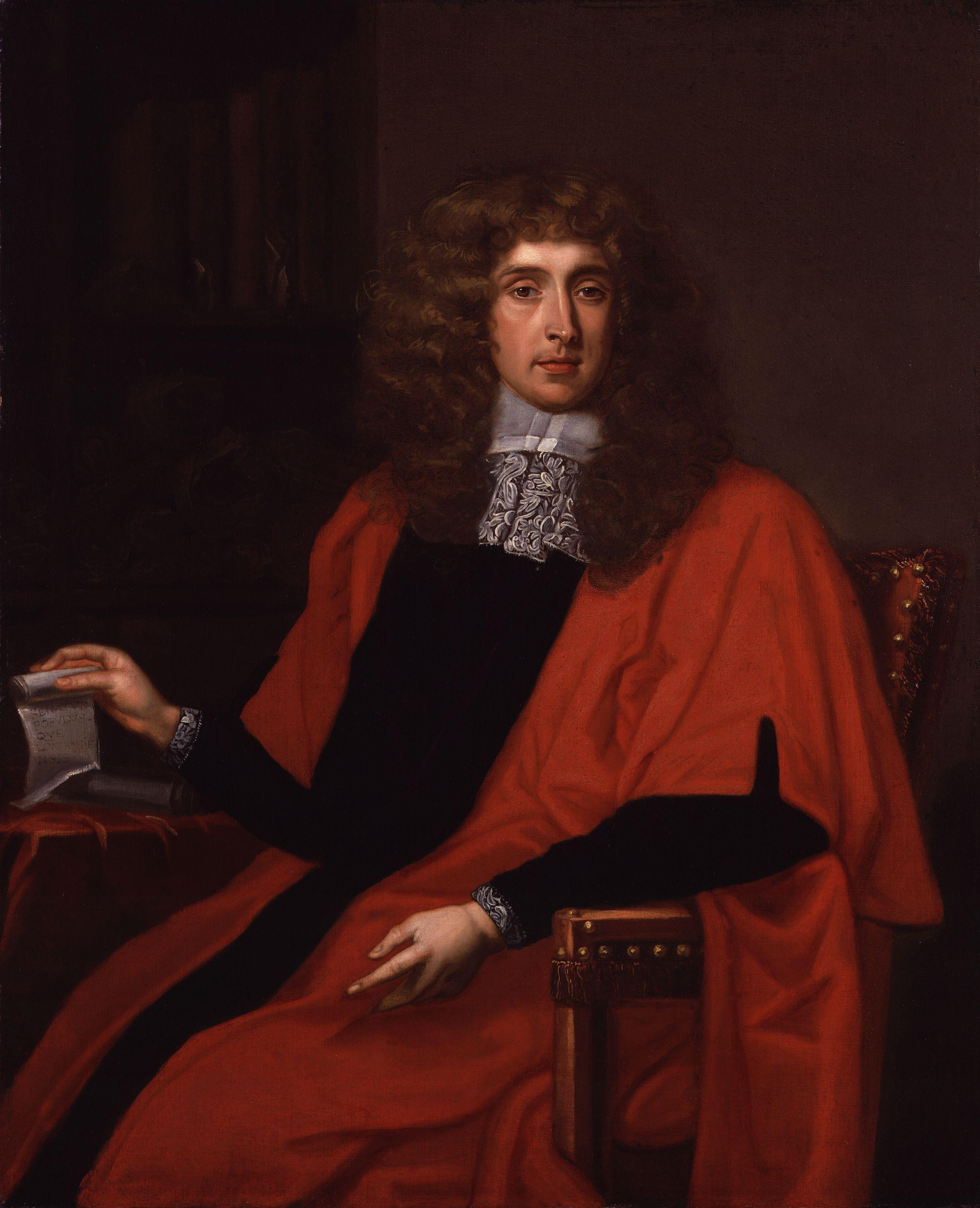
George Jeffreys, 1st Baron Jeffreys of Wem
Former Lord High Chancellor of Great BritainWikipedia
28
MENTIONS
5
EPISODES
4
PODCASTS
Search complete. 28 mentions across 5 episodes found for "George Jeffreys, 1st Baron Jeffreys of Wem".
Oct 10, 2026

speaker_2NARRATOR
Is it not strange, asked Halifax, that you should have requested the good offices of one whose arts had brought your head into peril? Not at all, said Hampton.
speaker_2NARRATOR
To whom was I to apply except to the men who were in power? I applied to Lord Jeffreys, I applied to Father Peter, and I paid them six thousand pounds for their services.
speaker_2NARRATOR
But did Lord Halifax take any money? No, I cannot say that he did.
speaker_2NARRATOR
And, Mr. Hampton, did you not afterwards send your wife to thank him for his kindness? Yes, I believe I did, answered Hampton, but I know of no solid effects of that kindness.
21 MINS LATER
speaker_2NARRATOR
To this it was answered that Armstrong had not yielded himself, that he had been dragged to the bar a prisoner.
speaker_2NARRATOR
and that he had no right to claim a privilege which was evidently meant to be given only to persons who voluntarily rendered themselves up to public justice.
speaker_2NARRATOR
Jeffreys and the other judges unanimously overruled Armstrong's objection, and granted the award of execution.
speaker_2NARRATOR
Then followed one of the most terrible of the many terrible scenes which, in those times, disgraced our courts.

Anne GarfieldVOICE_ACTOR
Who?
PartridgeVOICE_ACTOR
He was a baron, the first Baron Jeffreys, Chief Justice of the King's Bench.
Anne GarfieldVOICE_ACTOR
Oh.
PartridgeVOICE_ACTOR
Judge Jeffreys of the Bloody Assizes.
Anne GarfieldVOICE_ACTOR
Hmm.
Anne GarfieldVOICE_ACTOR
Look at those eyes, gray and merciless.

speaker_6NARRATOR
Is it not strange, asked Halifax, that you should have requested the good offices of one whose arts had brought your head into peril? Not at all, said Hampton.
speaker_6NARRATOR
To whom was I to apply except to the men who were in power? I applied to Lord Jeffreys, I applied to Father Peter, and I paid them six thousand pounds for their services.
speaker_6NARRATOR
But did Lord Halifax take any money? No, I cannot say that he did.
speaker_6NARRATOR
And, Mr. Hampton, did you not afterwards send your wife to thank him for his kindness? Yes, I believe I did, answered Hampton, but I know of no solid effects of that kindness.
21 MINS LATER
speaker_6NARRATOR
Armstrong represented that a year had not elapsed since he had been outlawed, and that by an act passed in the reign of Edward VI, an outlaw who yielded himself within the year was entitled to plead not guilty, and to put himself on his country.
speaker_6NARRATOR
To this it was answered that Armstrong had not yielded himself, that he had been dragged to the bar a prisoner, and that he had no right to claim a privilege which was evidently meant to be given only to persons who voluntarily rendered themselves up to public justice.
speaker_6NARRATOR
Jeffreys and the other judges unanimously overruled Armstrong's objection, and granted the award of execution.
speaker_6NARRATOR
then followed one of the most terrible of the many terrible scenes which, in those times, disgraced our courts.