Geo-fence warrant
5
MENTIONS
3
EPISODES
3
PODCASTS
Search complete. 5 mentions across 3 episodes found for "Geo-fence warrant".
Oct 5, 2026

Paul AvelarGUEST
And then there was nothing for eight years.
Paul AvelarGUEST
Nothing at all until last term, a case called Chantry versus United States, which dealt with that historic cell location information, the Google information that I told you about, and something called a geofence warrant.
Paul AvelarGUEST
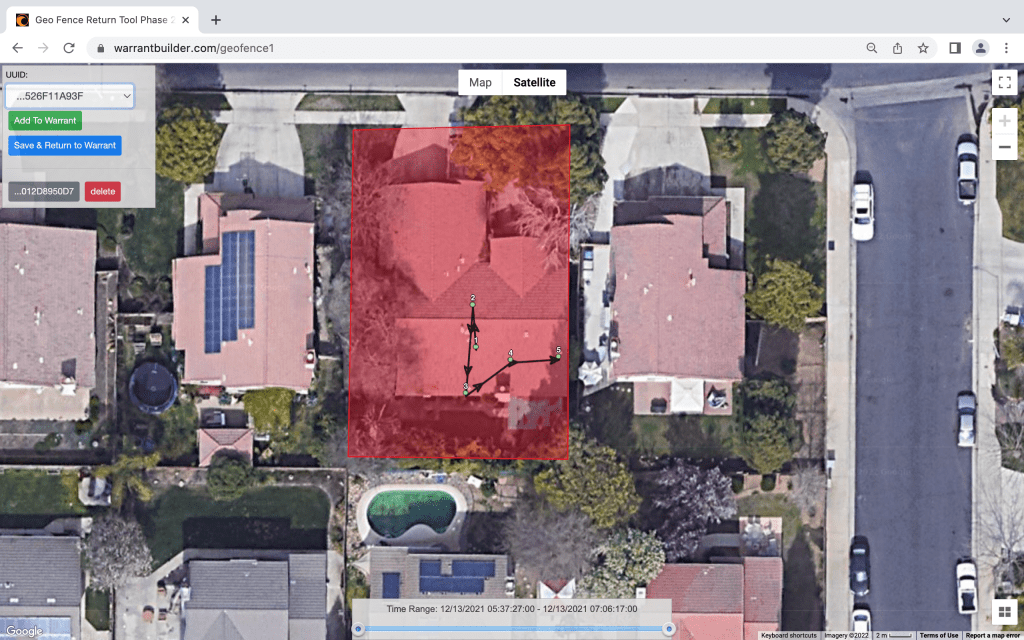
Geofence Warrant is where the government says, we know that a crime was committed at such and such a place at such and such a time.
Paul AvelarGUEST
Google or whoever the provider is, we want all the cell phones that were within a certain amount of space within a certain amount of time that passed through there.
Paul AvelarGUEST
And then we'll suss through them and tell you who we want to talk to and you have to give us those cell phone owners.

Corey BieberGUEST
It's the government's access to a comprehensive, comprehensive retrospective database.
Corey BieberGUEST
Now, the part that matters for advice, but the court did not decide, it did not hold that geofence warrants are categorically unconstitutional.
Corey BieberGUEST
It vacated and remanded for probable cause and particularity at each of the three stages.
Corey BieberGUEST
It did not resolve good faith, and it expressly reserved tower dumps, reverse keyword warrants, license plate readers, and purchase broker data.

Alan PaceHOST
But the fact that this data is available is the problem.
Alan PaceHOST
Now, the laws around geofence warrants are unresolved.
Alan PaceHOST
In August 2024, the Fifth Circuit Court of Appeals in the United States ruled that the geofence warrants are unconstitutional general warrants under the Fourth Amendment.
Alan PaceHOST
In the same era, the Fourth Circuit went the other way and held that pulling that kind of limited location history was not even a search.
Alan PaceHOST
So depending on where you are in the country, the courts disagree on whether this is legal at all.