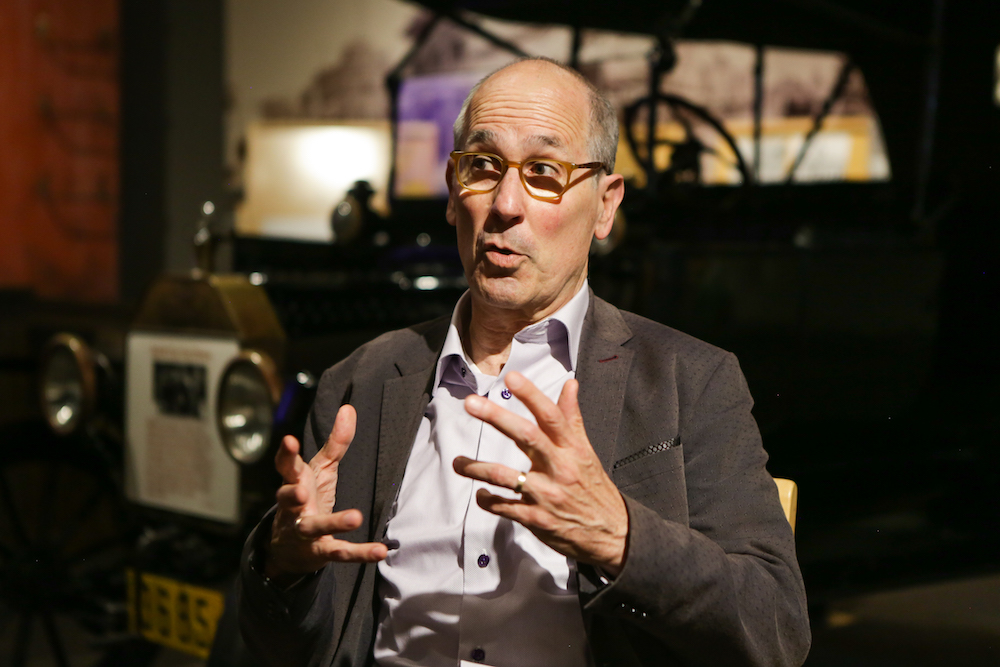
Gary Gerstle
American historianWikipedia
14
MENTIONS
7
EPISODES
7
PODCASTS
Search complete. 14 mentions across 7 episodes found for "Gary Gerstle".
Sep 24, 2026

Lily GeismerGUEST
Um, and so it has been this po- uh, like actually more of a, like more...
Lily GeismerGUEST
I mean, so, so some of the, I mean, there's, there's an argument that, um, a historian named Gary Gerstle makes about neoliberalism, but also that like kind of Reagan was the architect and that Clinton kind of executed those various different things, and so you see that.
Lily GeismerGUEST
So I think that's a little bit over...
Lily GeismerGUEST
I, I don't, I don't, I think the, it's, that can be a little bit oversimplistic.

Andrew KeenHOST
Hello, everybody.
Andrew KeenHOST
One of the great questions of our age is what comes after what my old friend Gary Gerstle has been on the show many times calls neoliberalism.
Andrew KeenHOST
Gary is the author of a very successful book, The Rise and Fall of the Neoliberal Order, America and the World in the Free Market Era.
Andrew KeenHOST
Gary and others suggest that the last hundred years has been made up in historical terms.
13 MINS LATER
Andrew KeenHOST
Of course...
Andrew KeenHOST
Peter, you're not the first or last person to have theses on contemporary populism.
Andrew KeenHOST
But most, I think, are like Gary Gerstle, and they see this rise of populism come directly out of neoliberalism.
Andrew KeenHOST
Is what you're saying that's different, is this comes out of what you call the knowledge economy.

Ben WaterhouseHOST
Mm-hmm, yeah
Lily GeismerGUEST
... of, like, in some ways I actually think this is like, I, Gary Gerstle's book does this a little bit where it's like Reagan was the archit- you know, Reagan was the architect and Clinton was the executor, and I don't think it's that straight.
Lily GeismerGUEST
Like, I think-
Ben WaterhouseHOST
Right
19 MINS LATER
Ben WaterhouseHOST
And then, and then fracture, right? And then, you know-
Lee VinselHOST
Yeah
Ben WaterhouseHOST
... what happens, you know, is, is it the, is it the decline of neoliberalism in the Gary Gerstle model? Is it, um, the, the, the, you know, point of no return with inco- with, with wealth inequality? You know, what factors ...
Ben WaterhouseHOST
Which means, you know, don't, don't stop the clock at 2000 and say, "Well, you know, we-

Ben WaterhouseHOST
Mm-hmm, yeah
Lily GeismerGUEST
... of like, in some ways I actually think this is like, I, Gary Gerstle's book does this a little bit where it's like Reagan was the archit- you know, Reagan was the architect and Clinton was the executor, and I don't think it's that straight.
Lily GeismerGUEST
Like I think that-
Ben WaterhouseHOST
Right
19 MINS LATER
Ben WaterhouseHOST
And then, and then fracture, right? And then, you know-
Lee VinselHOST
Yeah
Ben WaterhouseHOST
... what happens, you know, is, is it the, is it the decline of neoliberalism in the Gary Gerstle model? Is it, um, the, the, the, you know, point of no return with inc- with, with wealth inequality? You know, what factors ...
Ben WaterhouseHOST
Which means, you know, don't, don't stop the clock at 2000 and say, well, you know-

Lily GeismerGUEST
I think that, like, so I wanted to understand, like, that he, that this wasn't just a reaction or that we, you know, that, like, and I think, because I think that story, too, tells a story of, like, still tells a story of, like, conservative and Republican dominance.
Lily GeismerGUEST
You know, that's like, that's like the idea of like, in some ways, I actually think this is like, Gary Gerstle's book does this a little bit where it's like, Reagan was the architect, you know, Reagan was the architect and Clinton was the executor.
Lily GeismerGUEST
And I don't think it's that straight.
Lily GeismerGUEST
Like, I think there's
22 MINS LATER
Lee VinselHOST
Yeah, that's nice.
Lee VinselHOST
And then
Ben WaterhouseHOST
fracture, right? And then, you know, what happens, you know, is it the decline of neoliberalism in the Gary Gerstle model? Is it...
Ben WaterhouseHOST
the point of no return with wealth inequality, what factors, which means don't stop the clock at 2000 and say, well, we can't historicize anything after that.

Lily GeismerGUEST
I think that like so I wanted to understand like that he that that this wasn't just a reaction or that we you know, that like and I think because I think that story to tells a story of like still to the story of like conservative and Republican dominance is.
Lily GeismerGUEST
You know, that's like, that's like the idea of like, in some ways, I actually think this is like, Gary Gerstle's book does this a little bit where it's like, Reagan was the architect, you know, Reagan was the architect and Clinton was the executor.
Lily GeismerGUEST
And I don't think it's that straight.
Lily GeismerGUEST
Like, I think there's
25 MINS LATER
Lee VinselHOST
strong?
Ben WaterhouseHOST
And then, and then fracture, right.
Ben WaterhouseHOST
And then, you know, what happens, you know, is, is it the, is it the decline of neoliberalism in the Gary Gerstle model? Is it, um, the point of no return with wealth inequality, what factors, which means don't stop the clock at 2000 and say, well, we can't historicize anything after that.
Ben WaterhouseHOST
Because I think you're exactly right.

Lily GeismerGUEST
I think that like so I wanted to understand like that he that that this wasn't just a reaction or that we you know, that like and I think because I think that story to tells a story of like still to the story of like conservative and Republican dominance is.
Lily GeismerGUEST
You know, that's like, that's like the idea of like, in some ways, I actually think this is like, Gary Gerstle's book does this a little bit where it's like, Reagan was the architect, you know, Reagan was the architect and Clinton was the executor.
Lily GeismerGUEST
And I don't think it's that straight.
Lily GeismerGUEST
Like, I think there's
22 MINS LATER
Ben WaterhouseHOST
Not necessarily what were the alternatives, but how did consensus like this become so
Lee VinselHOST
strong? And then
Ben WaterhouseHOST
fracture, right? And then what happens? Is it the decline of neoliberalism in the Gary Gerstle model? Is it...
Ben WaterhouseHOST
the point of no return with wealth inequality, what factors, which means don't stop the clock at 2000 and say, well, we can't historicize anything after that.