Garum
FoodWikipedia
5
MENTIONS
4
EPISODES
4
PODCASTS
Search complete. 5 mentions across 4 episodes found for "Garum".
Sep 11, 2026

Neil ButteryPANELIST
I'm going to be speaking with Sally Granger, who's a specialist in the, well, bit in your camp, Tom, that the food of the ancient world, especially Rome.
Neil ButteryPANELIST
So I'm going to be looking at... anchovies in the Roman occupation, during the Roman occupation, and of course, manufacturing of garum and things like that.
Neil ButteryPANELIST
So I've never really looked at the Roman occupation for my podcast or anything.
Neil ButteryPANELIST
So that's going to be really interesting.

speaker_0NARRATOR
But the empire's development and the fact that it replaced salt in mostly plain and uninspired cooking of the time made it an indispensable sauce in Roman cuisine.
speaker_0NARRATOR
To meet demand, which had increased within just a few decades, garum was manufactured in industrial quantities on all the empire's shores.
speaker_0NARRATOR
Garum received an appellation according to the category of fish it came from.
speaker_0NARRATOR
Today, garum is still used a long way from Rome, in Asia, where it is called gnoccman.
speaker_0NARRATOR
The Romans also had a weakness for poultry.

speaker_0NARRATOR
Olives, olive oil, figs, dates, grapes, lentils, chickpeas, various grains, bread, cheese, eggs, fish, shellfish, and above all, garum.
speaker_0NARRATOR
The fermented fish sauce that was to Roman cooking what soy sauce is to East Asian cuisine.
speaker_0NARRATOR
Garum was manufactured on an industrial scale in Pompeii.
speaker_0NARRATOR
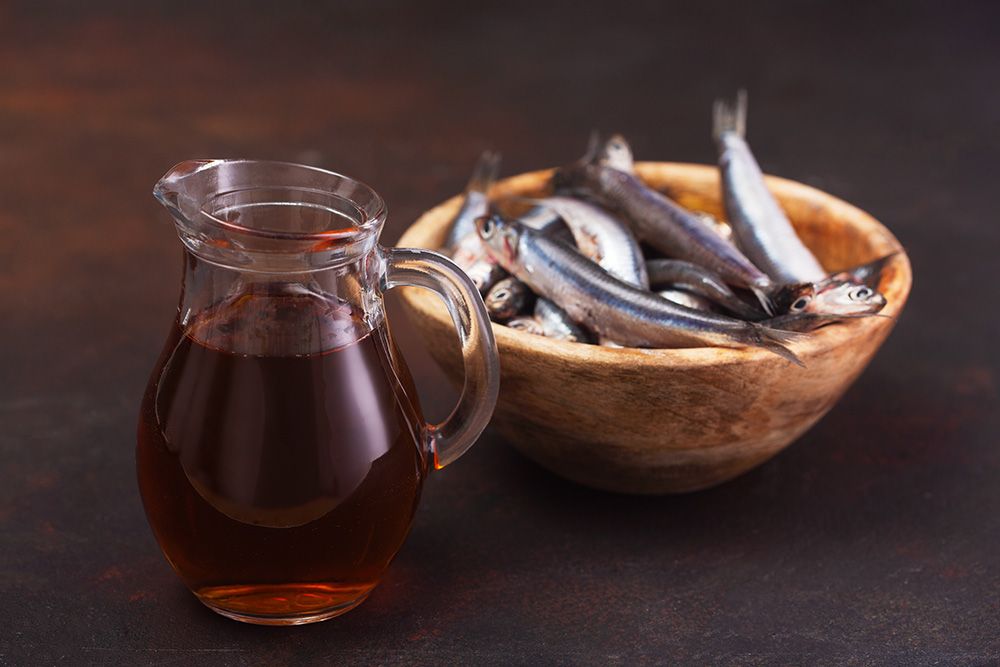
The fish, typically anchovies or mackerel, were layered with salt and herbs in large stone vats and left to ferment in the sun for weeks.
speaker_0NARRATOR
The resulting liquid was strained, bottled, and shipped across the empire.

speaker_3NARRATOR
The distinctive post-asparagus urine smell might be awkward, but it's a harmless curiosity, a reminder that what we eat doesn't just nourish us but can produce unexpected effects, detected or not, depending on our individual genetics.
speaker_3NARRATOR
Ancient Romans loved garum.
speaker_3NARRATOR
Garum was a fermented fish sauce beloved throughout the Roman Empire, used as ubiquitously as salt.
speaker_3NARRATOR
Made from fish, intestines and blood mixed with salt and left to ferment in the sun for months, garum underwent enzymatic breakdown that created a clear, amber liquid with a complex, savoury flavour.
speaker_3NARRATOR
Romans added garum to nearly everything.
speaker_3NARRATOR
They provide savory depth and salt to dishes.
speaker_3NARRATOR
The techniques and products are remarkably similar across time and geography, showing how different cultures independently discovered that fermented fish creates an indispensable flavoring.
speaker_3NARRATOR
Garum disappeared from European cuisine after Rome's fall, though it persisted in modified forms in parts of the Mediterranean.