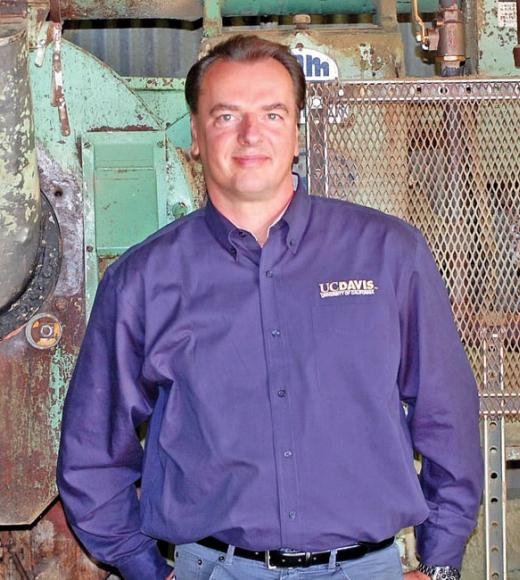
Frank Mitloehner
4
APPEARANCES
4
PODCASTS
Aug 20, 2026


Frank MitloehnerGUEST
We have to, we have to do our bit, okay? And so I wanna be very clear about that.
Frank MitloehnerGUEST
Also, uh, when I'm about to talk about methane, I don't want that to be misunderstood as saying, "Oh, these new findings-" shed a different light on methane and so we can now relax.
Frank MitloehnerGUEST
Uh, that's not my intent, but my intent is to first explain why methane is different and why the difference that we see in this gas, um, make it not just a liability if we ignore it, but it can actually be an asset if we manage it right.
Frank MitloehnerGUEST
So the number one greenhouse gas in the world is CO2, carbon dioxide, and it's the result largely of humans burning fossil fuels such as oil, coal, and gas.
Frank MitloehnerGUEST
Oil, coal, and gas originally used to be plants and animals such as dinosaurs.
8 MINS LATER

Frank MitloehnerGUEST
... or feed additives that you can feed to animals to reduce the methane they belch out, and so on.
Frank MitloehnerGUEST
So the nature of my job is, um, to work with these companies that provide technologies to reduce emissions, um, to get us to a point where our agricultural sector is more sustainable on the environmental side.
Frank MitloehnerGUEST
That's our vision, our mission to work with them, because they are the ones that need to reduce emissions.


Frank MitloehnerGUEST
So there's no doubt that food production, like any other human activity, will contribute to greenhouse gas emissions and to a warming planet.
Frank MitloehnerGUEST
And when I say food production, within food production, ruminant livestock production in particular is a main contributor of the food contributing sectors.
Frank MitloehnerGUEST
But if we... discuss the impact of animal agriculture on climate, then we should use data that pertain to our place here, the United States.
Frank MitloehnerGUEST
In the United States, of all greenhouse gases that are produced in total by all sources, the livestock sector contributes a total of 4% of all greenhouse gases.
Frank MitloehnerGUEST
The fossil fuel sectors, so cars, trucks, trains, planes, ships, factories, and so on, produce about two-thirds of all greenhouse gases.
6 MINS LATER

Jenna ByrneHOST
How can we work together with them from a producer side or just a person in the agriculture industry to form a common ground, I would say?


Frank MitloehnerGUEST
So I live in California, and in California where we have more intensively housed animals, manure management is number one, and here particularly the use of anaerobic digesters.
Frank MitloehnerGUEST
But here under your conditions in New Zealand where you have more grazing animals, it might come down more to breeding.