Flight 19
Aircraft crashWikipedia
96
MENTIONS
15
EPISODES
7
PODCASTS
Search complete. 96 mentions across 15 episodes found for "Flight 19".
Sep 25, 2026

Lord Byron JesterGUEST
And if you look at, like, all, all the conspiracy theories, you see 19 more than you see 33.
Lord Byron JesterGUEST
You know, you got, like, uh, 19 hijackers, uh, Flight 19, Flight 91, uh, COVID-19.
Lord Byron JesterGUEST
And, and it, and it's always, like, 19 people were shot, uh, you know, at, at 8:19 blah, blah, blah happened.
Lord Byron JesterGUEST
Like, you see 19 in the realm of conspiracy even more than you see, uh, 33.

Steve StocktonHOST
Lt. Taylor was an experienced naval aviator who had flown extensively during World War II.
Steve StocktonHOST
The group of planes, known as Flight 19, had been assigned Navigation Problem Number 1, which involved flying east from the Florida coast, conducting bombing runs at Hens and Chickens Shoals, turning north, flying over Grand Bahama Island, and then returning to NAS Fort Lauderdale.
Steve StocktonHOST
The weather was expected to be normal, with just a few scattered showers.
Steve StocktonHOST
During the initial part of the flight, the team successfully released practice bombs without any issues.
Steve StocktonHOST
However, as they turned north for the second leg of the journey, Flight 19 encountered problems.
Steve StocktonHOST
At around 3.45 p.m., the flight tower in Fort Lauderdale received a message from Taylor, who sounded anxious and disoriented.
Steve StocktonHOST
He reported, I cannot see land.
Steve StocktonHOST
The new leader's voice finally broke the radio silence after 20 minutes, but it was shaky and bordering on hysteria.
Steve StocktonHOST
Lieutenant Taylor was an experienced naval aviator who had flown extensively during World War II.
Steve StocktonHOST
The group of planes known as Flight 19 had been assigned navigation problem number one, which involved flying east from the Florida coast, conducting bombing runs at Hens and Chickens Shoals, turning north, flying over Grand Bahama Island, and then returning to NAS Fort Lauderdale.
Steve StocktonHOST
The weather was expected to be normal with just a few scattered showers.
Steve StocktonHOST
During the initial part of the flight, the team successfully released practice bombs without any issues.
Steve StocktonHOST
However, as they turned north for the second leg of the journey, Flight 19 encountered problems.
Steve StocktonHOST
At around 3:45 PM, the flight tower in Fort Lauderdale received a message from Taylor, who sounded anxious and disoriented.
Steve StocktonHOST
He reported, "I cannot see land.
Steve StocktonHOST
The new leader's voice finally broke the radio silence after 20 minutes, but it was shaky and bordering on hysteria.
Steve StocktonHOST
Next up, let's have a look at the Lost Patrol.
Steve StocktonHOST
Flight 19, which has been mistakenly called the Lost Patrol, wasn't really a patrol at all, but a naval training flight.
Steve StocktonHOST
It was December 5th, 1945, several months after the end of World War II.
Steve StocktonHOST
The weather was a warm 67 degrees with billowing clouds and a southwest wind.
Steve StocktonHOST
The flight was to be their last practice run before graduation and these guys had done this before.
Steve StocktonHOST
The five bombers took off without incident and made their way to the Bahamas.
Steve StocktonHOST
Those aboard Flight 19 completed their exercise and were heading back to base.
Steve StocktonHOST
Then, about 90 minutes after takeoff, Lt. Charles C. Taylor reported that he was somehow lost and the weather and sea conditions were worsening.

Arion McNicollHOST
And I think that's where the Bermuda Triangle gets fun.
Arion McNicollHOST
My favorite one, and this was mentioned by Jones in his article, was Flight 19, a routine training flight on December the 5th, 1945, a squadron of airplanes, and they'd tackled this three-hour exercise known as the navigation problem number one.
Arion McNicollHOST
And their triangular flight plan had them head out off the Florida coast, do this bombing run on a place called Hens and Chickens Shoals, and then come back home.
Arion McNicollHOST
But during the course of it, they get immensely lost.
Steve StocktonNARRATOR
Lieutenant Taylor was an experienced naval aviator who had flown extensively during World War II.
Steve StocktonNARRATOR
The group of planes, known as Flight 19, had been assigned Navigation Problem Number 1, which involved flying east from the Florida coast, conducting bombing runs at Hens and Chickens Shoals, turning north, flying over Grand Bahama Island, and then returning to NAS Fort Lauderdale.
Steve StocktonNARRATOR
The weather was expected to be normal, with just a few scattered showers.
Steve StocktonNARRATOR
During the initial part of the flight, the team successfully released practice bombs without any issues.
Steve StocktonNARRATOR
However, as they turned north for the second leg of the journey, Flight 19 encountered problems.
Steve StocktonNARRATOR
At around 3.45 p.m., the flight tower in Fort Lauderdale received a message from Taylor, who sounded anxious and disoriented.
Steve StocktonNARRATOR
He reported, I cannot see land.
Steve StocktonNARRATOR
The new leader's voice finally broke the radio silence after 20 minutes, but it was shaky and bordering on hysteria.

speaker_0NARRATOR
None of the aircraft returned to Naval Air Station Fort Lauderdale.
speaker_0NARRATOR
No confirmed wreckage from Flight 19 has ever been recovered.
speaker_0NARRATOR
The loss later became one of the best-known stories connected with the Bermuda Triangle.
speaker_0NARRATOR
But that label did not exist on the day the aircraft disappeared.
speaker_0NARRATOR
The documented record describes something more immediate.
speaker_0NARRATOR
An over-water training flight that began normally became lost after a bombing exercise and remained in fragmented radio contact for hours while men ashore tried to determine where it was.
speaker_0NARRATOR
To understand how Flight 19 vanished, it is necessary to return to the beginning of that day.
speaker_0NARRATOR
The United States had emerged from World War II only months earlier.
Steve StocktonHOST
Now, this was supposed to be a milk run.
Steve StocktonHOST
Flight 19.
Steve StocktonHOST
A routine navigation exercise over the Bahamas.
Steve StocktonHOST
A little target practice on some old shipwrecks, and back in time for evening chow.
Steve StocktonHOST
I'm sure I'm in the Keys, but I don't know how far down.
Steve StocktonHOST
Now, stop and think about that for a moment.
Steve StocktonHOST
Flight 19 had flown directly east, out over the Bahamas.
Steve StocktonHOST
But Taylor, staring down at the scattered islands below him, had somehow convinced himself he was hundreds of miles off course, down over the Florida Keys.

Carol AnnHOST
And this area is rumored to be the home of a disproportionately high number of ships and airplanes going missing.
Carol AnnHOST
Now, the biggest jewel in the crown, so to speak, of these reported collections of disappearances in the triangle is Flight 19.
Carol AnnHOST
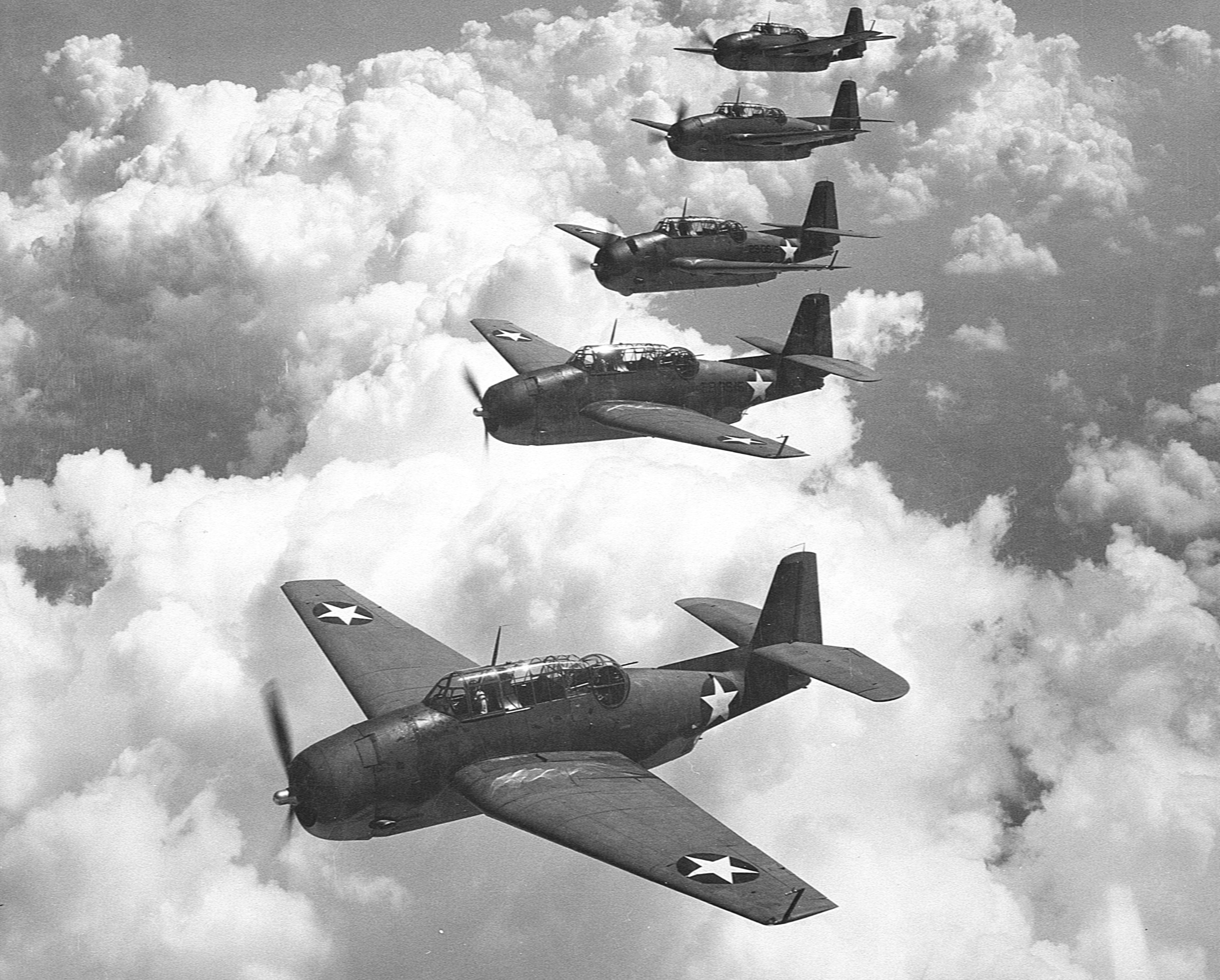
On the afternoon of December 5th, 1945, a squadron of five TBM Avenger torpedo bombers take off from Fort Lauderdale on a routine training mission.
Carol AnnHOST
Their task is to complete navigation problem number one, which is a fairly simple navigation and bombing exercise that will take them out east from the coast to a place called Hen and Chicken's Shoals, where they would drop their bombs, then north for a little bit before returning back to Fort Lauderdale.
Carol AnnHOST
A merchant ship off the coast of Fort Lauderdale radios in that they just witnessed a burst of flame in the sky in the same area that the Mariner is supposed to be.
Carol AnnHOST
She and her 13 rescuers are never heard from again.
Carol AnnHOST
and neither are the 14 members of Flight 19.
Carol AnnHOST
The Navy lost 27 servicemen in an eight-hour period.
Steve StocktonHOST
Lt. Taylor was an experienced naval aviator who had flown extensively during World War II.
Steve StocktonHOST
The group of planes, known as Flight 19, had been assigned Navigation Problem Number 1, which involved flying east from the Florida coast, conducting bombing runs at Hens and Chickens Shoals, turning north, flying over Grand Bahama Island, and then returning to NAS Fort Lauderdale.
Steve StocktonHOST
The weather was expected to be normal, with just a few scattered showers.
Steve StocktonHOST
During the initial part of the flight, the team successfully released practice bombs without any issues.
Steve StocktonHOST
However, as they turned north for the second leg of the journey, Flight 19 encountered problems.
Steve StocktonHOST
At around 3.45 p.m., the flight tower in Fort Lauderdale received a message from Taylor, who sounded anxious and disoriented.
Steve StocktonHOST
He reported, I cannot see land.
Steve StocktonHOST
The new leader's voice finally broke the radio silence after 20 minutes, but it was shaky and bordering on hysteria.
5 more episodes mention Flight 19.
Create an account to see the whole feed, search across every transcript, and follow the entities you care about.