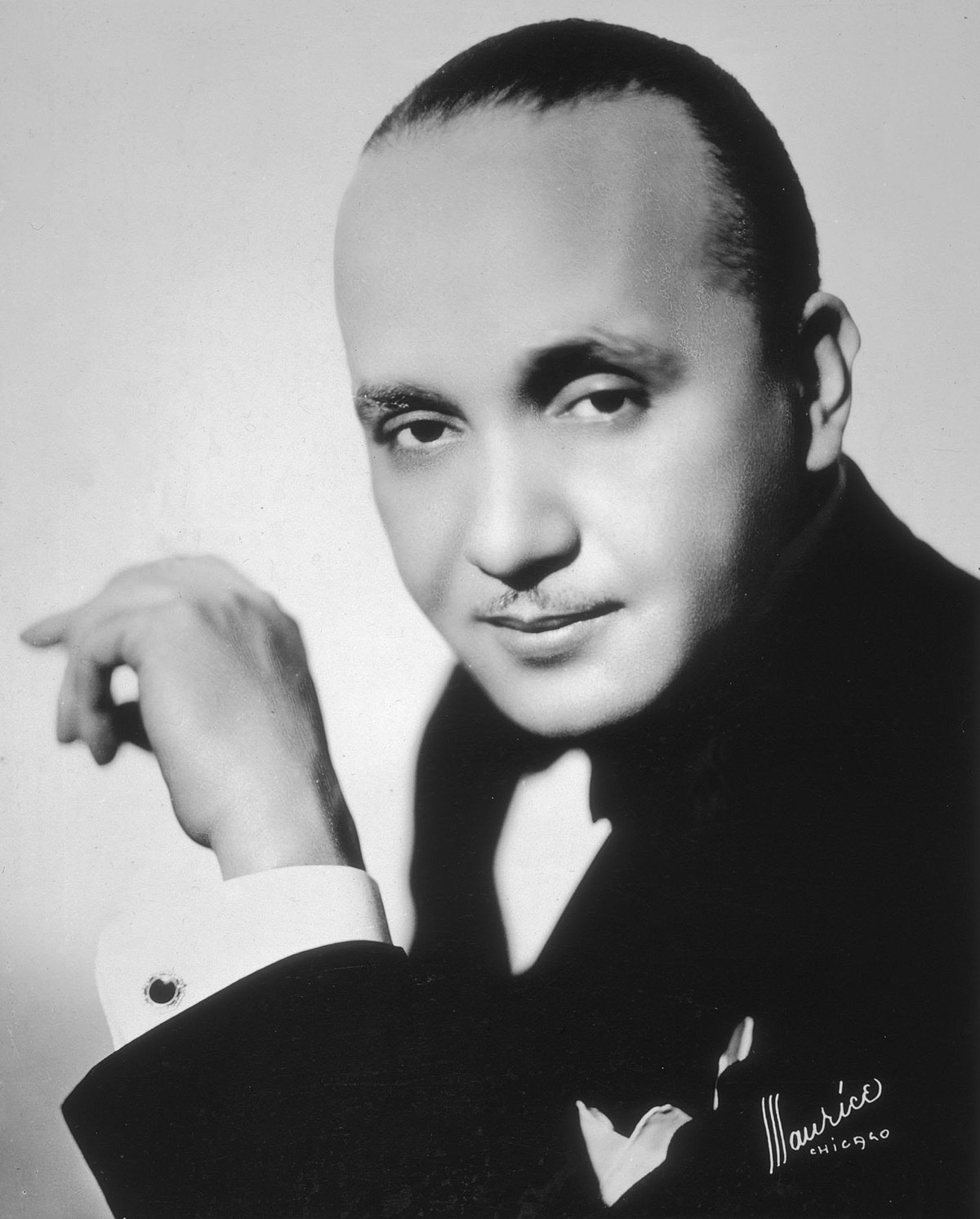
Fletcher Henderson
American pianist and bandleaderWikipedia
94
MENTIONS
64
EPISODES
8
PODCASTS
Search complete. 94 mentions across 64 episodes found for "Fletcher Henderson".
Oct 27, 2026

John ClarkHOST
Today we're going to be going back to the 1920s, to 1925, specifically November of 1925.
John ClarkHOST
Louis had spent the early years of the 20s in Chicago where he played with King Oliver's band, but in October of 1924 he went to New York and started playing with the Fletcher Henderson Orchestra, the top African-American band in the country at the time, and he really set the jazz world on its ear.
John ClarkHOST
That's not an overstatement.
John ClarkHOST
He was with them for about a year and he came back at the behest of his wife, Lil Hardin, who had organized a gig in Chicago starting in November of 1925 and she wanted him back and so back he came.

Stephanie Stein CreaseGUEST
To me, Chick was really foundational to what we think of as the Swing era.
Stephanie Stein CreaseGUEST
But, you know, along with some of the other great black bands of his day, including Duke Ellington, Fletcher Henderson...
Stephanie Stein CreaseGUEST
Calloway, Count Basie's fame came up a little bit later, you know, but I think the other thing we have to remember in context is Chick actually, you know, started his career earlier, you know, kind of out of the Baltimore fabulous musical, very fertile scene that was more like ragtime and orchestrated ragtime, you know, these little dance bands that would play in a variety of places.
Stephanie Stein CreaseGUEST
And then he moved to Harlem during the height of the Harlem Renaissance when jazz wasn't even quite being called jazz yet.
Stephanie Stein CreaseGUEST
But that's the music that people like Duke Ellington and his band and Fletcher Henderson and all these bands in New York.
Stephanie Stein CreaseGUEST
were playing with kind of pre-swing, but headed, you know, as we get towards the 30s, the beat was shifting from what I think of as more of a Charleston-type two-step or a medium foxtrot into kind of a forward-moving, propulsive thing that Ellington, of course, personifies with, you know, don't mean a thing if you can't do that swing.
Stephanie Stein CreaseGUEST
And Webb, as a drummer, you know, he really... crafted the sound with his band that just, I think, is so emblematic of the music that we know of as great swing music of the swing era.
Stephanie Stein CreaseGUEST
And then by the time we really think of it, here we are, this is really swing music as played for the zillions of dancers that went to the Savoy Ballroom and other places, you know, like 15 to 17 piece big bands.
Nate WilcoxHOST
blowing away the local bands with his slickly arranged pieces.
Nate WilcoxHOST
Fletcher Henderson did the same.
Nate WilcoxHOST
And then people like Benny Moten actually go to New York and are pretty successful.
Nate WilcoxHOST
Yeah, well, you know, there was a string
Chuck HaddixGUEST
of bought, the Theater Owners Booking Association was a string of movie theaters and concert halls stretched from Harlem to Kansas City and then it was a turn around point and then we go back to some 8080 theaters in that circuit.
Chuck HaddixGUEST
And so Fletcher Henderson and Duke Ellington came to Kansas City.
Chuck HaddixGUEST
Fletcher came before Duke and this was a revelation for Benny Moten because you know these are very polished bands that are very highly arranged.
Chuck HaddixGUEST
They're using risk, but the more restrained manner and so they inspired.

Kevin LawrenceHOST
We dug up some cuts from the jazz vaults.
Kevin LawrenceHOST
You heard a cut by Fletcher Henderson, one of the greatest composers in the history of jazz.
Kevin LawrenceHOST
"Sugar Foot Stomp" is the name of the cut.
Kevin LawrenceHOST
And, uh, Fletcher Henderson was a guy who wrote for Benny Goodman.
Kevin LawrenceHOST
Louis Armstrong, Coleman Hawkins, and Lester Young were his sidemen.
Kevin LawrenceHOST
And you heard music from the godfather of the tenor saxophone, and the name of the cut is entitled "Dinah." That is Coleman Hawkins with the Lionel Hampton Orchestra.

speaker_0HOST
Gardner being a very prominent pianist.
speaker_0HOST
Refined under the tutelage of swing pioneer Mr. Chick Webb, Blakey spent the 1940s anchoring the elite big bands of Fletcher Henderson and Billy Eckstein.
speaker_0HOST
Following a late 1940s trip to Africa, he adopted the Islamic name Abdullah ibn Buhaynah.
speaker_0HOST
In 1955, he co-founded his definitive vessel known as the Jazz Messengers, alongside pianist Horace Silver, taking sole ownership the next year.
54 more episodes mention Fletcher Henderson.
Create an account to see the whole feed, search across every transcript, and follow the entities you care about.