Fillmore District
Neighborhood in San Francisco, CaliforniaWikipedia
3
MENTIONS
2
EPISODES
2
PODCASTS
Search complete. 3 mentions across 2 episodes found for "Fillmore District".
Oct 8, 2026

John Mark ComerGUEST
And, you know, he started the first, arguably, it's called the first interracial church in the United States.
John Mark ComerGUEST
I don't know that it was, but it's called that, in San Francisco, and I think it was 1944 or something like that, in the Fillmore District.
John Mark ComerGUEST
In which where the Japanese had been, uh, forcibly removed to internment camps, that neighborhood had been backfilled with African Americans, mostly from Oklahoma, who had come in to build the ships for World War II.
John Mark ComerGUEST
And so Thurman, African American, and this white, forget his name, but white Presbyterian minister co-planted this church together, this intentionally interracial church, and they quickly realized that, man, the difference between a white Presbyterian, you know, from Nob Hill and an African American by way of Tulsa in the Fillmore District, the gap was huge.
John Mark ComerGUEST
The way that they did preaching, the way they did music, the way they did liturgy was totally different.
John Mark ComerGUEST
And Thurman had spent time with the Quakers early in his life, with Rufus Jones, a Quaker theologian and mystic, and had drawn deeply from this well of silence.

Toby RogersGUEST
Well, I mean, you, you, you, the, what was going on in New York was mirrored in California.
Toby RogersGUEST
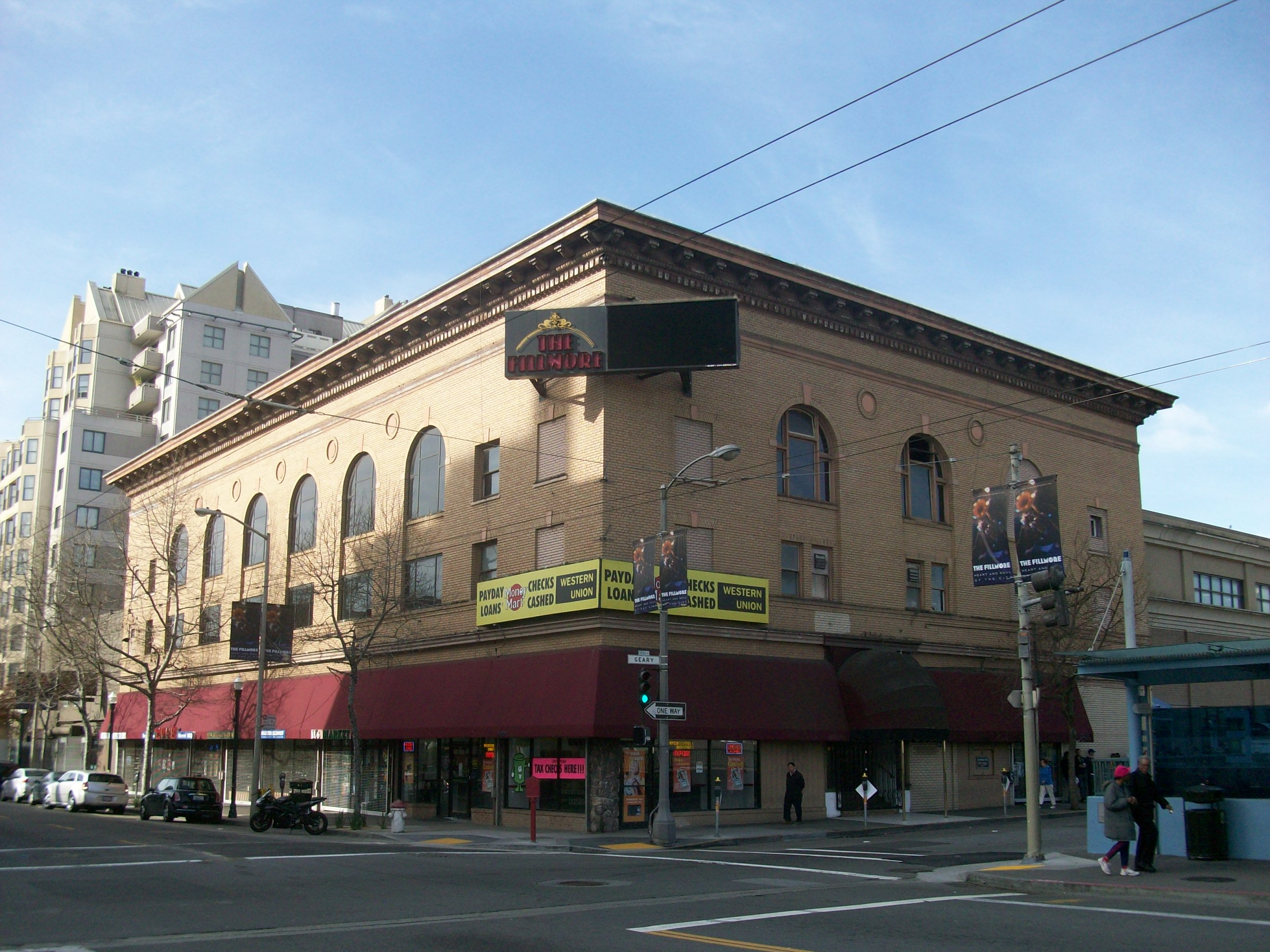
You had the Fillmore District was basically, they called it the, uh, West Coast Harlem back in the day.
Toby RogersGUEST
So the Fillmore was originally a place where jazz would take place, big bands and, uh, you know, the Lindy Hop would be going on.
Toby RogersGUEST
And that whole area was the jazz district.