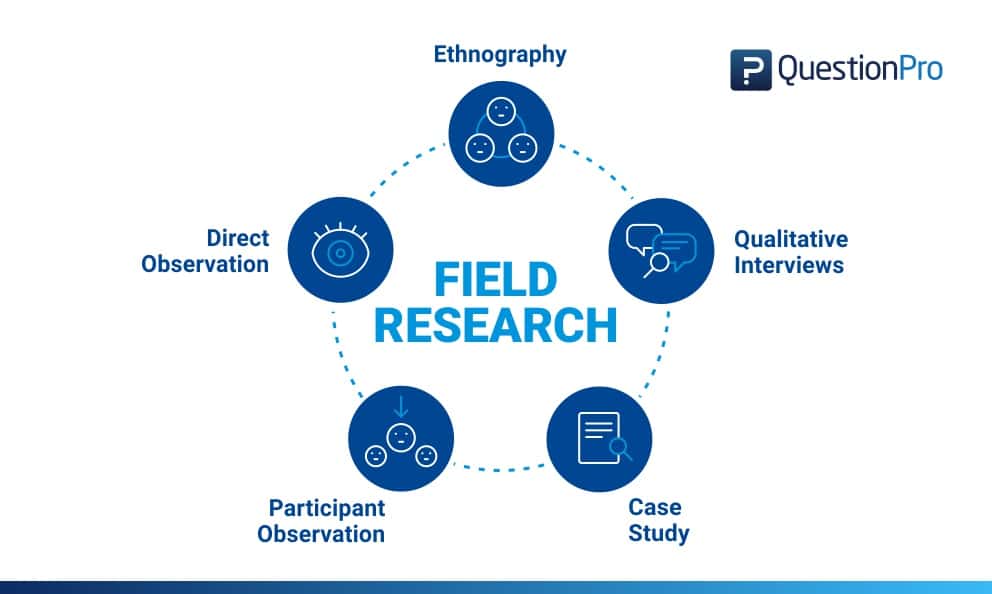
Field research
13
MENTIONS
5
EPISODES
4
PODCASTS
Search complete. 13 mentions across 5 episodes found for "Field research".
Nov 1, 2026

Milo WhitfieldHOST
Absolutely.
Milo WhitfieldHOST
There are also going to be field research task encounters and rewards.
Milo WhitfieldHOST
They will include, there are encounters with event-themed Pokemon, which obviously means any Pokemon that's had a Dynamax entry, but also you can get Stardust and Eternatus candy and more.
Milo WhitfieldHOST
Interesting.
27 MINS LATER
Milo WhitfieldHOST
They used to be brilliant, and now we barely get them.
Milo WhitfieldHOST
And I think it's because they can't, well, they can sell a paid ticket, but it's not a premium event because it's a spin Pokestops, it's free, which is really crap, to be honest.
Milo WhitfieldHOST
Like, bring back Field Research Days, come on.
Ian WaterfallHOST
Moving on, our second, and we're definitely going to hit the hour now because look at the time.
Milo WhitfieldHOST
And the research tasks were good, although I will say Marky got something very exclusive because of the issue with Blipbug.
Milo WhitfieldHOST
So Blipbug was accidentally dropped as a shiny through the field research for that one day at the site.
Masterful 27HOST
Oh, wow.
Milo WhitfieldHOST
They took it out.
Masterful 27HOST
Ian's alive again.
Milo WhitfieldHOST
Honestly, the in-person experience, it will be very different for anyone going there now because there's no spawns.
Milo WhitfieldHOST
There's no field research.
Milo WhitfieldHOST
And it would be nice if they just kind of left them.

Marie McNeelyHOST
Definitely.
Marie McNeelyHOST
So I can't imagine as an undergraduate traveling to Kenya to do field research on baboons.
Marie McNeelyHOST
What was that experience like for you?
Franklin WestGUEST
So this was part of an REU experience that I did with, uh, Jeanne Altman at Princeton, and it was really exciting.

Tina FordhamGUEST
I mean, in my sort of role, I necessarily have to be forward-looking, um, which doesn't mean that I don't think about what went wrong.
Tina FordhamGUEST
Of course, I was one of those Westerners who was living in, in Russia and the Czech Republic and Azerbaijan and Poland and Hungary doing Fieldwork research, um, advising companies, uh, during those, you know, early stages of the, of the post-communist transition in East Central Europe and then the post-Soviet transitions.
Tina FordhamGUEST
And having that comparative perspective over a very long period of time, because I continued, uh, visiting Russia at least once or twice a year every year right up until we couldn't anymore, um, is the very stark contrast between the countries that became EU member states, uh, and the ones that didn't.
Tina FordhamGUEST
Um, and, uh, a- and just how, um, how stark, uh, the comparison is there and really the, the miracle, um, fashionable as it is to be critical of the European Union, of that anchor of, of joining the EU in, in its transformation, uh, the transformation of, of these countries.

AaronGUEST
Additionally, we have a contact, Ken Okoth, a teacher in Kibera who founded Children of Kibera.
AaronGUEST
Last but not least, we have Jeffrey Ochieng, our intern, who will continue to pursue, uh, field research for us in the coming months.
AaronGUEST
We are also considering potential partnerships with two organizations, Sanergy and Umandi Trust, and we chose these two because they already have a system, uh, and technology for biodigesters, and we feel that if we partner with them, then we can focus on our product, the individual toilets.
AaronGUEST
And we feel that we can bring them this concept of building individual toilets that solves the problem of privacy while they give us, or they allow us to use their technology so that we can focus directly on the toilets.
AaronGUEST
So what did we do with our funding, uh, during the first phase? Well, the majority of our spending occurred in field research.
AaronGUEST
We felt it was very important to make sure that this cycle is sustainable and feasible.
AaronGUEST
Additionally, we spent money on the design and prototype of the toilet and on material research.
AaronGUEST
And we decided to save most of our money because we realized that the most expensive part comes after in our second phase when we decide to do preliminary test cycles in Kibera.