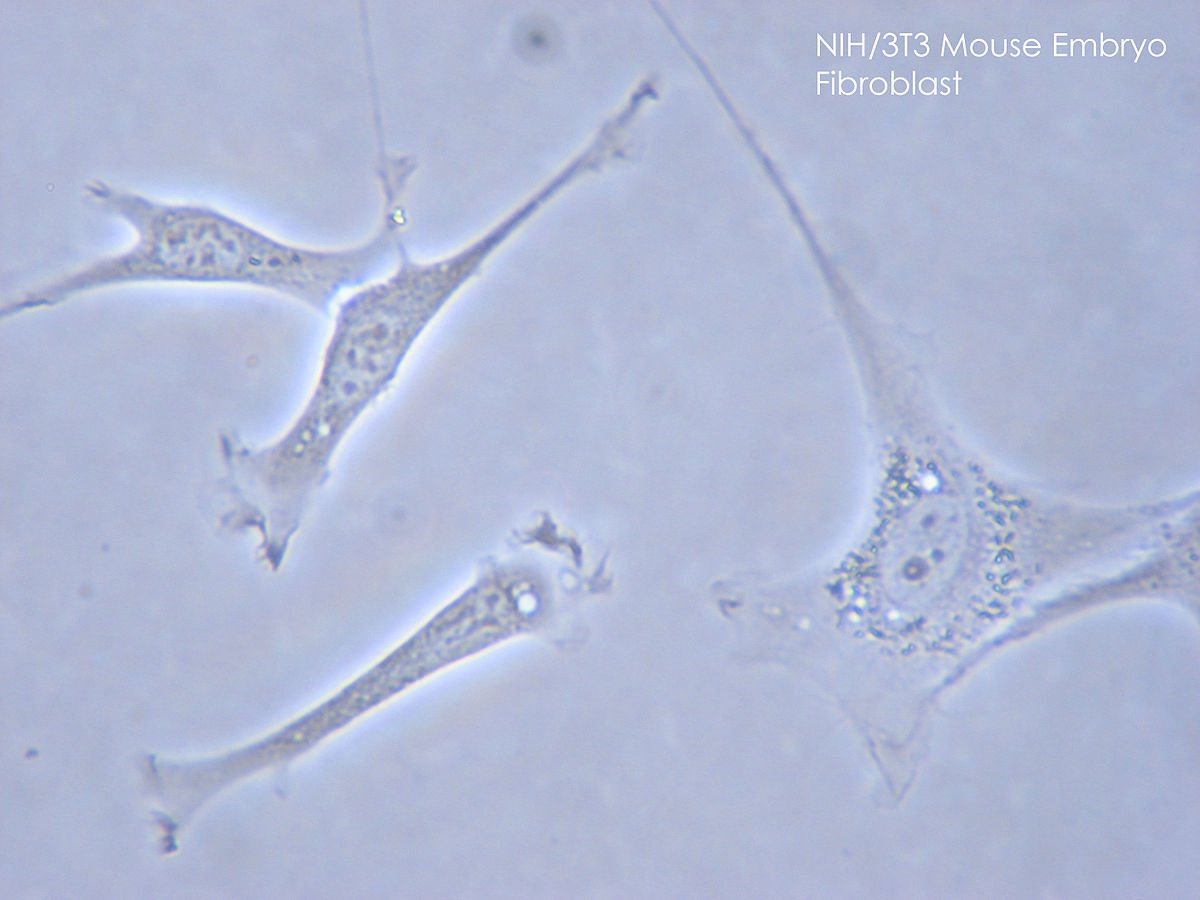
fibroblast
11
MENTIONS
8
EPISODES
5
PODCASTS
Search complete. 11 mentions across 8 episodes found for "fibroblast".
Sep 25, 2026

Mirela CernaianuHOST
So coming back to the PRP, the term PRP was first used in 1970 to describe plasma that contains a high concentration of platelets, much higher than the normal circulating blood.
Mirela CernaianuHOST
In 1974, Kohler and Lipton, two guys, were studying fibroblast physiology.
Mirela CernaianuHOST
Fibroblast is that little cell that is important for collagen and pretty much for everything else in the human body, discovered that platelets could be valuable as growth stimulants for the fibroblast.
Mirela CernaianuHOST
And further research showed that platelets are a source of growth factors, which can stimulate the fibroblast activity.
Mirela CernaianuHOST
But in order to have a clinical effect, the platelets must be activated by external factors or by the exposed collagen fibers of the damaged tissue.

Amy AndrewsHOST
Okay, next.
Todd CollinsGUEST
Next is collagen, and specifically fibroblasts.
Todd CollinsGUEST
Fibroblasts are the cells that produce collagen.
Todd CollinsGUEST
Collagen is the structural rope of connective tissue.
Amy AndrewsHOST
BPC-157 is a 15-amino acid peptide that came out of gastric research, and its unusual stability is part of why it became studyable in the first place.
Amy AndrewsHOST
Pathway 1, VEGF and angiogenesis, building supply roads to tissue that barely has any.
Amy AndrewsHOST
Pathway 2, fibroblasts and collagen.
Amy AndrewsHOST
not just how much you lay down, but how well it's organized, sweater versus not.

speaker_0HOST
And the others?
speaker_1HOST
TGF-beta and PDGF act as chemical messengers that travel through the tissue, specifically looking for fibroblasts.
speaker_0HOST
Fibroblasts, the cells that make collagen, right?
speaker_1HOST
Exactly.
speaker_1HOST
Fibroblasts are the cellular factories responsible for building connective tissue.
speaker_1HOST
The growth factors in the PRP essentially command these dormant fibroblasts to wake up, migrate to the injection site, and just start synthesizing fresh new collagen and elastin fibers.
speaker_0HOST
Okay, so to translate that for you listening, injecting PRP is basically tricking your pelvic floor into thinking it just sustained a fresh injury.
speaker_1HOST
This controlled thermal microtrauma essentially tricks the body into an emergency state.
speaker_1HOST
Fibroblasts, you know, the cellular workers responsible for building the structural framework, they flood the area and begin frantically producing new collagen, elastin, and new micro blood vessels to heal what they perceive as an injury.
speaker_0HOST
Wait, I'm I'm getting stuck on this logic here.
speaker_0HOST
We just established that because of estrogen loss, this tissue is profoundly atrophic.
speaker_0HOST
Clean up the site.
speaker_1GUEST
And crucially, it brings in fibroblasts.
speaker_0HOST
Fibroblasts.
speaker_1GUEST
Yeah.
speaker_1GUEST
They're basically the cellular architects that manufacture new collagen.

Felix BeckerHOST
This includes bacteria, yes, but it also includes your own cells, the fibroblasts that make collagen, the keratinocytes that close wounds, the endothelial cells that form new blood vessels.
Felix BeckerHOST
Studies have shown that even dilute concentrations of hydrogen peroxide can significantly impair fibroblast function and survival.
Felix BeckerHOST
Fibroblasts are critical for wound healing.
Felix BeckerHOST
They produce the collagen matrix that provides structural support for healing tissue.
Felix BeckerHOST
When you damage or kill fibroblasts, you're directly impairing the wound's ability to heal.
speaker_1HOST
Exactly.
speaker_1HOST
These nitrogen precursors act as direct fuel for fibroblasts.
speaker_0HOST
Fibroblasts being the cellular factories, right?
speaker_1HOST
Yeah, the factories in our tissue responsible for producing new collagen and elastin fibers.
speaker_1HOST
By feeding the fibroblasts this concentrated raw material, you are massively ramping up the tissue's natural ability to spin new collagen.