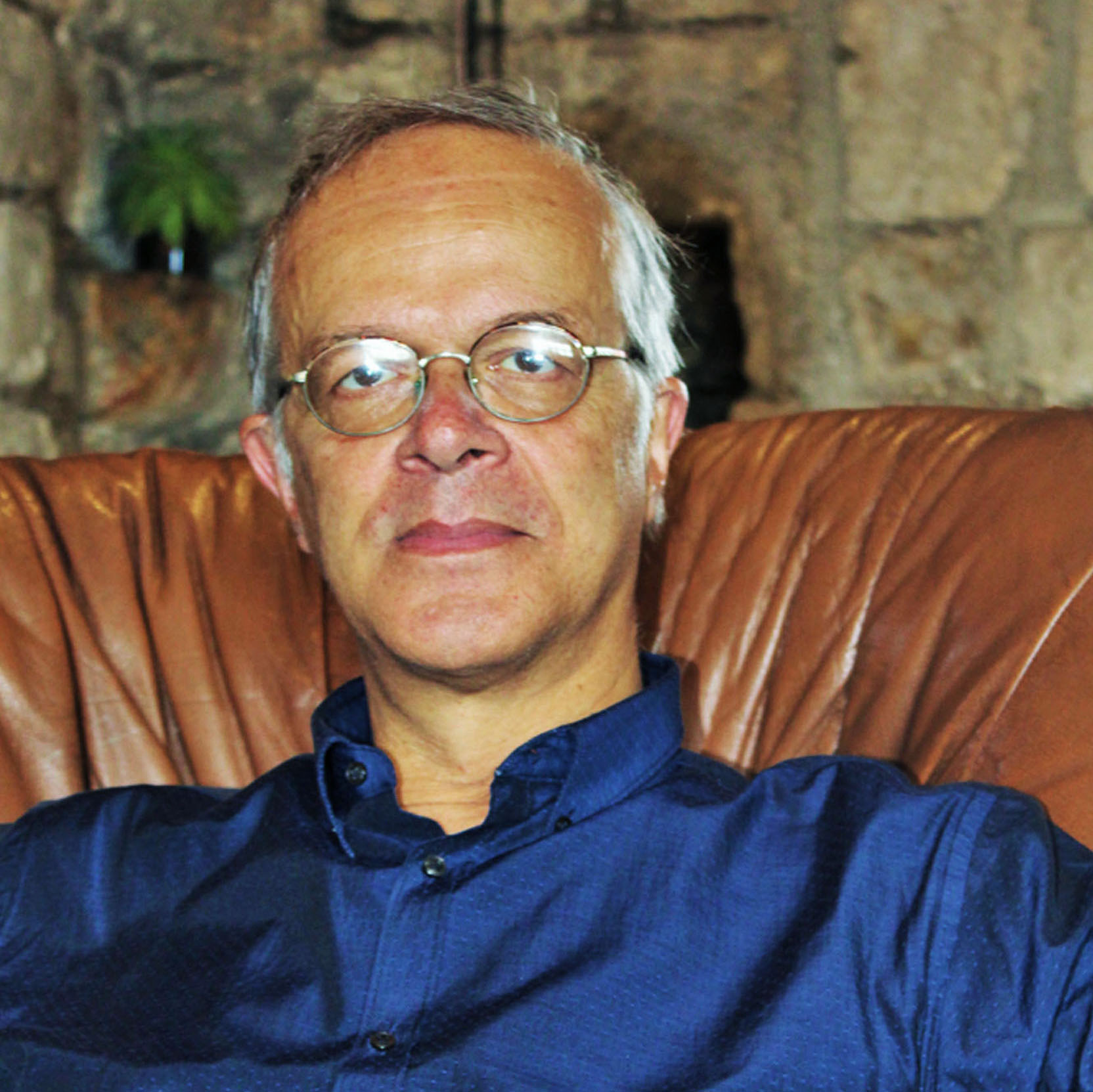
Fabrizio Benedetti
ProfessorWikipedia
3
MENTIONS
3
EPISODES
3
PODCASTS
Search complete. 3 mentions across 3 episodes found for "Fabrizio Benedetti".
Sep 3, 2026

Michael LevinHOST
And people who study placebo effects.
Michael LevinHOST
So in particular, this one talk of Fabrizio Benedetti gave this talk at our group.
Michael LevinHOST
And he had this amazing talk where he said, words and drugs have the same mechanism of action.
Michael LevinHOST
Because basically what he was saying, right, I think it's really profound for the kind of stuff we're interested in, you know, how thoughts become chemistry, you know, from voluntary motion all the way to all this like digestive stuff.

Brian ScottHOST
Nocebo describes harm produced by expectation and the research on it has become precise.
Brian ScottHOST
Fabrizio Benedetti's group at the University of Turin published a key study in the Journal of Neuroscience in 2006.
Brian ScottHOST
They induced pain expectation verbally in healthy volunteers, measured the result, and then took the causal chain apart pharmacologically.
Brian ScottHOST
Two findings in sequence, diazepam and anxiolytic, abolished both the nocebo pain and the stress hormone response, placing anxiety upstream of both.

speaker_4HOST
They are interpreted through nervous systems that predict, compare, remember, and respond to meaning.
speaker_4HOST
Fabrizio Benedetti, Luana Kolaka, and other researchers have demonstrated that verbal suggestion can alter pain experience and that nocebo involves measurable, biological processes rather than mere pretending.
speaker_4HOST
The literature also shows why patient-clinician communication carries ethical importance.
speaker_4HOST
Warnings must be accurate, but the manner in which risk is described can influence what patients expect and later experience.