Extracellular vesicle
17
MENTIONS
2
EPISODES
2
PODCASTS
Search complete. 17 mentions across 2 episodes found for "Extracellular vesicle".
Sep 29, 2026

Jason ShepherdGUEST
Um, and then I was lucky to get a, a nice grant from the Chan Zuckerberg Initiative that allowed us to do some high-risk kind of experiments.
Jason ShepherdGUEST
And, um, we sort of hypothesized that since Oc was being secreted in this virus-like particle that was generating these extracellular vesicles, uh, there was some data supporting, uh, a role for these e- for a, for a extracellular vesicle type in, uh, secreting these toxic proteins that are involved in neurodegeneration as almost like a, you know, quick garbage disposable way of getting that toxic protein out of the cell.
Jason ShepherdGUEST
So, so that's how the, this st- this latest story started, was just sort of thinking, "Okay, maybe Oc's involved," not really-
Vincent RacanielloHOST
Mm
6 MINS LATER
Vincent RacanielloHOST
So tell us what they are.
Jason ShepherdGUEST
Yeah.
Jason ShepherdGUEST
So extracellular vesicles.
Jason ShepherdGUEST
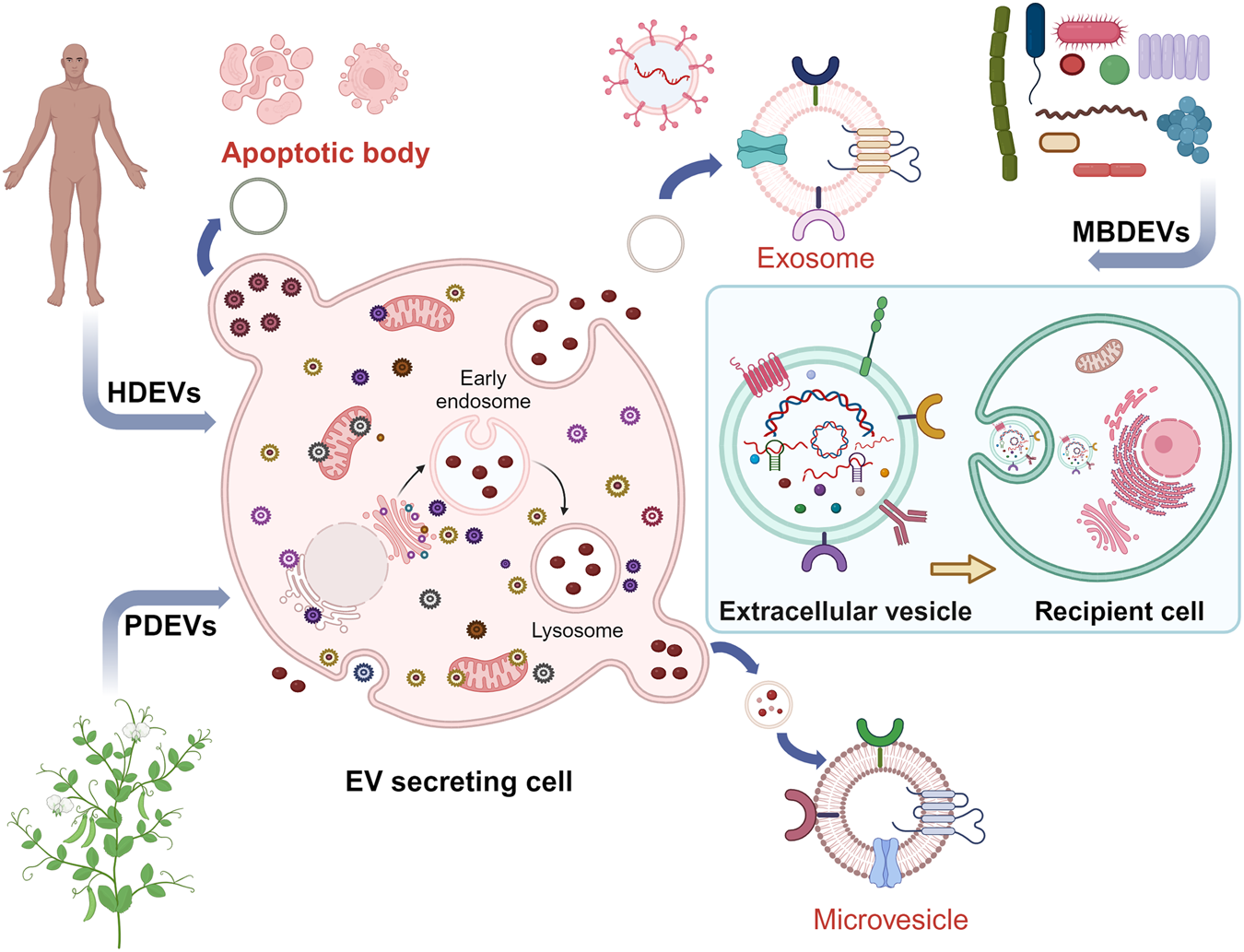
So exosomes are a certain type of extracellular vesicle, and so cells re-release these membrane-bound packets of proteins, and there's a whole bunch of different kinds, different sizes, different biogenesis, different origins of the membrane.

Daniel J. GuerraHOST
You see? So these are naturally occurring positive effects in the production of bone, right? It's just another event that these caveolae are functioning in.
Daniel J. GuerraHOST
I want you to know that extracellular vesicles, now what do they look like? They're surrounded by their own membrane, right? Yeah? And they're released when they are released from KVOLA.
Daniel J. GuerraHOST
So not just from porosomes, no.
Daniel J. GuerraHOST
So the EVs transport, and I was mentioning this before, messenger RNA, microRNA, which would be an epigenetic phenomena, controlling translation, right? Not just translation, but among lipids and various other proteins.
Daniel J. GuerraHOST
And those EVs transporting all of this molecular event through a caveola will be sending it to recipient cells.
Daniel J. GuerraHOST
And when it sends it to recipient cells, it does so in a dose-dependent manner, thus potentiating the downstream effects.
Daniel J. GuerraHOST
So it turns out there's two types of EVs, extracellular vesicles.
Daniel J. GuerraHOST
And that's based entirely really on the route of release.