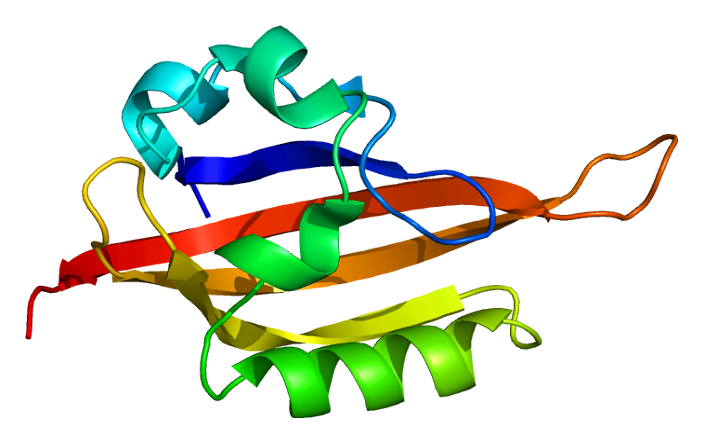
EPAS1
12
MENTIONS
3
EPISODES
3
PODCASTS
Search complete. 12 mentions across 3 episodes found for "EPAS1".
Oct 13, 2026

Herman PontzerGUEST
So this is just to set the stage there.
Herman PontzerGUEST
But EPAS1 is a gene that affects, I think it affects blood vessel production and seems to have some effect on red blood cell production as well.
Herman PontzerGUEST
The mechanisms, I don't think, are entirely well worked out.
Herman PontzerGUEST
But what we know is that there's one variant, one allele of this gene that is basically at 100%.

Giselle KiralyHOST
And obviously, there is absolutely zero connection to the imaginary European Aryans.
Giselle KiralyHOST
In fact, modern genome sequencing has shown that Tibetans possess a unique genetic adaptation, the EPAS1 gene, that allows them to thrive at high altitudes, an evolutionary trait inherited from Denisovans thousands of years ago.
Giselle KiralyHOST
and obviously not from mythical German Atlanteans who would have been living close to sea level had they ever existed.
Giselle KiralyHOST
Horrifically, the pseudoscientific data Beggar gathered was later used to help formulate the appalling racial classification systems utilized in Nazi concentration camps.

speaker_0HOST
They seem to have tuned the oxygen-sensing machinery itself so that thin air doesn't trigger the same panic.
speaker_0HOST
That's where EPAS1 comes in.
speaker_0HOST
EPAS1 is the name of a gene that helps control how your body responds to low oxygen.
speaker_0HOST
It's part of a larger system that acts like a thermostat for oxygen availability.
speaker_0HOST
When levels drop, this pathway flips on a suite of genes that change how cells behave, how they grow blood vessels, how they make red blood cells, how they manage energy.
speaker_0HOST
Around a decade ago, scientists comparing Tibetan genomes to those of nearby lowland populations found something shocking.
speaker_0HOST
In region after region of the genome, Tibetans looked much like their neighbours, as you'd expect from shared ancestry and recent gene flow.
speaker_0HOST
But one region stood out like a flare, EPAS1.