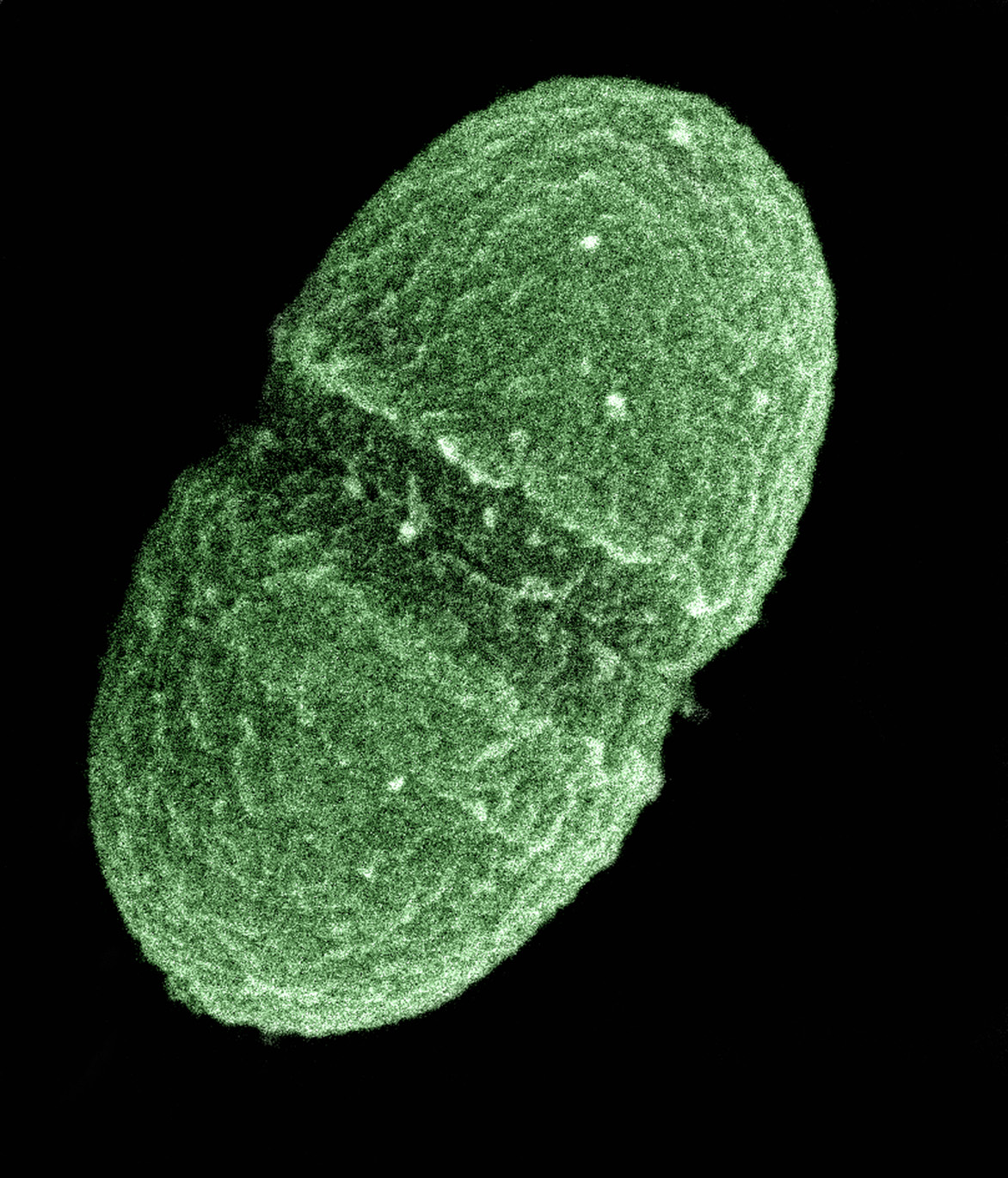
Enterococcus
BacteriaWikipedia
26
MENTIONS
14
EPISODES
13
PODCASTS
Search complete. 26 mentions across 14 episodes found for "Enterococcus".
Sep 17, 2026

Egi VasilGUEST
But importantly, we found that higher pathobiont detection and relative abundance was only found in those with exposure to an antibiotic with extended anaerobe coverage when compared to both those without any exposure, as well as those with exposure to a limited anaerobe covering antibiotic.
Egi VasilGUEST
And in the case of Coamoxiclav, which is one of the most prescribed extended anaerobe covering antibiotics, we found that both resistant species, so Enterococcus faciam, and susceptible species, Klebsiella pneumoniae, both had a higher abundance in those exposed to comoxiclav.
Egi VasilGUEST
I think it's interesting because you would expect that a pathobiont with resistance to an antibiotic would proliferate even in the event that it was exposed to that antibiotic.
Egi VasilGUEST
But with a susceptible one like Klebsiella pneumoniae, it signals that the commensal depletion may be playing a part in that proliferation.

Falk FeddersenGUEST
However, there's a trick or twist.
Falk FeddersenGUEST
Enterococcus is a bacteria that's very easy to measure or relatively easy to measure.
Falk FeddersenGUEST
However, it doesn't make you sick.
Falk FeddersenGUEST
It's something that should be in your gut.
7 MINS LATER
Falk FeddersenGUEST
The new technology is PCR-based, so it's genetic-based technology.
Falk FeddersenGUEST
It's basically, it's the technology, it's digital droplet PCR, ddPCR.
Falk FeddersenGUEST
And basically what it does is it measures how much DNA of Enterococcus is in the water.
Falk FeddersenGUEST
And from that you get how much Enterococcus bacteria were in the water.

speaker_0HOST
Most infections start in the lower urinary tract and travel upward through the ureters.
speaker_0HOST
E. coli is the most common organism, but other organisms include Klebsiella, Proteus, Pseudomonas, Enterococcus, and other Enterobacterioles.
speaker_0HOST
Candida can also cause urinary infection, especially in patients with diabetes, prolonged antibiotic exposure, hospitalization, or urinary catheters.
speaker_0HOST
The important distinction is between a localized urinary infection and a complicated UTI.

Lisa BielkeGUEST
We also do some chicken research.
Lisa BielkeGUEST
Enterococcus secorum is the big thing right now, the enterococcal lamest diseases.
Lisa BielkeGUEST
But as far as turkeys go, Imeria has been our primary focus lately looking at immune responses to vaccines and trying to optimize that for turkeys.
Lisa BielkeGUEST
They're different than chickens.

Daniel GriffinHOST
And I love this.
Daniel GriffinHOST
So this is the article, Evaluation of Changes in Staphylococcus and Enterococcus Resistance Following Reduced Restrictions on Daptomycin and Linazolid.
Daniel GriffinHOST
This is a retrospective single center study included all Staphylococcus and Enterococcus isolates across an eight-year period, including a three-year follow-up period after implementing practice changes that relaxed prescribing restrictions and updated local guidance for the treatment of gram-positive infections, resulting in increased daptomycin and linazolid utilization.
Daniel GriffinHOST
Linazolid use increased and daptomycin used increased post-implementation.
Daniel GriffinHOST
And I bet Vanco went down, right? That's what you're getting rid of, that renal, toxic, nasty, archaic, chunky drug that takes all kinds of expenses to monitor and puts people on dialysis for the rest of their lives.

speaker_0HOST
Like E. coli.
speaker_1GUEST
Yes, E. coli, Klebsiella, and Enterococcus.
speaker_1GUEST
When you spray this under the tongue, specialized immune cells in the mouth, called dendritic cells, pick up these inactivated bacterial antigens.
speaker_1GUEST
That's
speaker_1HOST
AV is driven by aerobic bacteria, pathogens that require oxygen to survive.
speaker_0HOST
We're talking about heavy hitters like E. coli, Staphylococcus aureus, Group B Streptococcus, and Enterococcus faecalis.
speaker_1HOST
Yes.
speaker_1HOST
Those specific pathogens are why AV is the ultimate roadblock for injectables.

Tim RobinsonHOST
There are lots of strains, I have to say, but bear in mind that some are actually harmful and can cause inflammation, diarrhea, and infection.
Tim RobinsonHOST
Another so-called unfriendly bacteria are the Klebsiella and Enterococci.
Tim RobinsonHOST
Normally present in small numbers, yeah, they're there, but when they overgrow, they can cause inflammation of the intestine and also activate or excessively, inappropriately activate the immune system.
Tim RobinsonHOST
The key point is that the species alone do not determine whether a bacterium is harmful.

Jennifer FugoHOST
and that hormone patterns correlated, get this, with gut bacteria composition.
Jennifer FugoHOST
So having more E. coli or Enterococcus bacteria tracked with those who had higher testosterone and lower estradiol, whereas more Bifidobacterium and Lactobacillus species tracked with the healthier hormone patterns.
Jennifer FugoHOST
But here's the thing.
Jennifer FugoHOST
It does not mean that you just need to fix your gut and rosacea will magically disappear.

Oscar CoetzeeGUEST
We'll just call it F. prau, you know, for the, for the discussion today.
Oscar CoetzeeGUEST
Birriga and some of the Enterococcus bacteria.
Oscar CoetzeeGUEST
So what I want people to understand is don't try and remember all those complicated versions of them.
Oscar CoetzeeGUEST
Just think of these microbes as almost like an accessory organ system.
4 more episodes mention Enterococcus.
Create an account to see the whole feed, search across every transcript, and follow the entities you care about.