Enteric nervous system
76
MENTIONS
8
EPISODES
8
PODCASTS
Search complete. 76 mentions across 8 episodes found for "Enteric nervous system".
Sep 10, 2026

April JoyHOST
And signals originating in your gastrointestinal system can influence your brain.
April JoyHOST
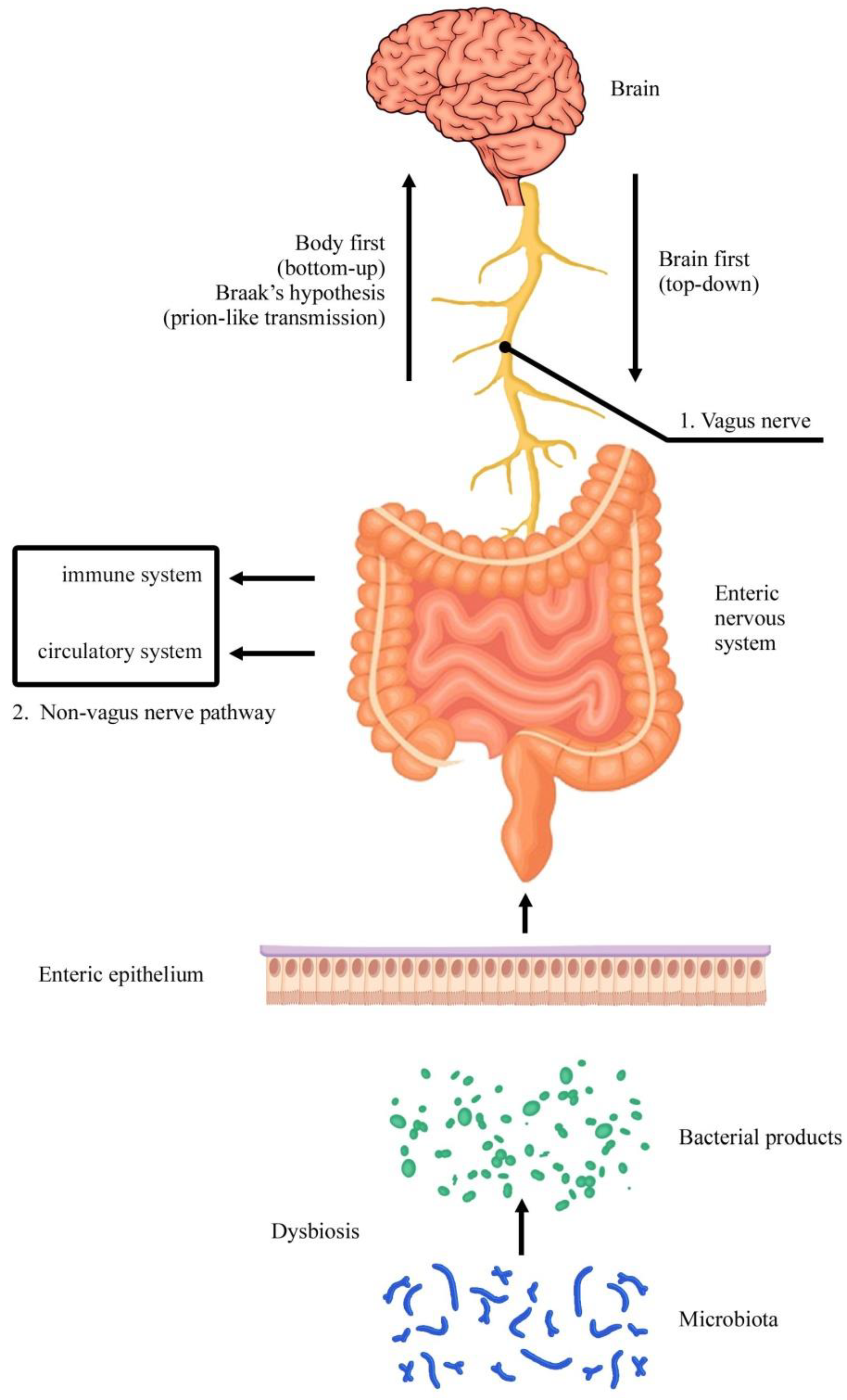
Researchers now understand that this is a complex bidirectional, means it goes both ways, communication system involving the central nervous system, the enteric nervous system, the autonomic nervous system, the neuroendocrine and immune pathways, and the gut microbiome.
April JoyHOST
So when you're anxious and feel it in your stomach, there's a physiological reason for that, and that's what I wanna unpack today.
April JoyHOST
I wanna talk about what actually happens in your body when you're anxious, why stress can affect your stomach and your appetite, the connection between your brain and your gut, and I wanna bring it all back to Scripture, and specifically to Psalms 23.
7 MINS LATER
April JoyHOST
Your gut has its own nervous system.
April JoyHOST
There's a fascinating part of this connection.
April JoyHOST
So your gastrointestinal tract, the GI system, contains an extensive network of neurons called the enteric nervous system.
April JoyHOST
Now, you may have heard the gut referred to as the second brain, and the enteric nervous system is largely where that nickname comes from.

Marc LainhartHOST
If I can find it, I'll give you the actual – Oh, here it is.
Marc LainhartHOST
The second brain in your gut is called the enteric nervous system, the ENS.
Marc LainhartHOST
Enteric is spelled E-N-T-E-R-I-C.
Marc LainhartHOST
Now, I didn't know this for many, many years, but the enteric nervous system, this is where the term gut feeling comes from because there is this second brain down here in your belly area, and that's why we use the terms trust your gut.
Marc LainhartHOST
right so what happens is you have these abilities that you're starting to expand and you become aware of who you are and things seen and things unseen and then all of a sudden the second brain is arguing with your heart your heart is arguing with your your ego brain up here and the brain saying well i can't see that logically so it doesn't it can't be true right Well, here's some concepts of things you can't see, but we know to be true.

speaker_3NARRATOR
This local system has a name.
speaker_3NARRATOR
It is called the enteric nervous system.
speaker_3NARRATOR
Enteric means relating to the intestines, and the enteric nervous system is the network of nerve cells that lives within the walls of the digestive tract.
speaker_3NARRATOR
It runs the gut.
speaker_3NARRATOR
It controls the muscles that drive peristalsis, the glands that produce digestive juices, the valves that open and close to regulate the flow of food.

Jemma SbegHOST
This is part of the reason why our gut, I don't know if you've heard it referred to this, is sometimes called the second brain.
Jemma SbegHOST
Scientists also call it the enteric nervous system or ENS for short.
Jemma SbegHOST
The ENS, as opposed to the CNS, central nervous system, is actually just two thin layers of more than 100 million nerve cells that line your gastrointestinal tract.
Jemma SbegHOST
Now, the main role of the ENS is controlling digestion from, from swallowing a- and, and through the release of enzymes so that we can break down our food, so that we can get energy, so that we can control blood flow, blood sugar, all that kind of stuff, and, and so that we can absorb and eliminate nutrients.
Jemma SbegHOST
It also plays a secondary role, which is it impacts our mood.
Jemma SbegHOST
For example, our gut microbiome, so the microbes living in your gut right now, produce up to 95% of our serotonin.

Taylor CrickHOST
I'm like, go back and listen to my other episodes.
Taylor CrickHOST
Today's topic is a little bit deeper dive into the enteric nervous system and how the gut and the brain actually talk to each other.
Taylor CrickHOST
Beyond Just the vagus nerve.
Taylor CrickHOST
Now the vagus nerve is fascinating, but let me just jump in and start talking about this.
Taylor CrickHOST
But I've got a newfound excitement for presenting this information to you guys because it's like this is the key to everything.
Taylor CrickHOST
This is the key to so many things.
Taylor CrickHOST
The enteric nervous system and the enteric microbiome and just thinking how the gut and the brain actually talk to each other.
Taylor CrickHOST
So let's jump in.

Janet RossantHOST
So today, we're focused on the enteric nervous system.
Janet RossantHOST
We're gonna call it the enteric nervous system.
Janet RossantHOST
We might call it the ENS along the way.
Janet RossantHOST
It's an intricate network of neurons and glia that line the inter- gastrointestinal tract, where they regulate digestion, digestion and overall health.
Janet RossantHOST
Loss of ENS neurons, as occurs in Hirschsprung diseases, lead, uh, leads to major intestinal obstruction, and treatment options remain limited.
Janet RossantHOST
One possible therapeutic approach for this and other intestinal str- syndromes that are affected by the ENS would involve stimulating resident stem cells to regenerate the ENS.
Janet RossantHOST
Another is through cell therapy to replace the missing cells.
Janet RossantHOST
But significant challenges remain in translating either of those into treatments.

Sabrina WallaceGUEST
And when you said it, "It just is," this is the causal stimuli.
Sabrina WallaceGUEST
That's something called the E-N-T-E-R-I-C, enteric, nervous system.
Sabrina WallaceGUEST
Another phrase for that, the gut-brain connection.
Christopher GardnerHOST
Mm.