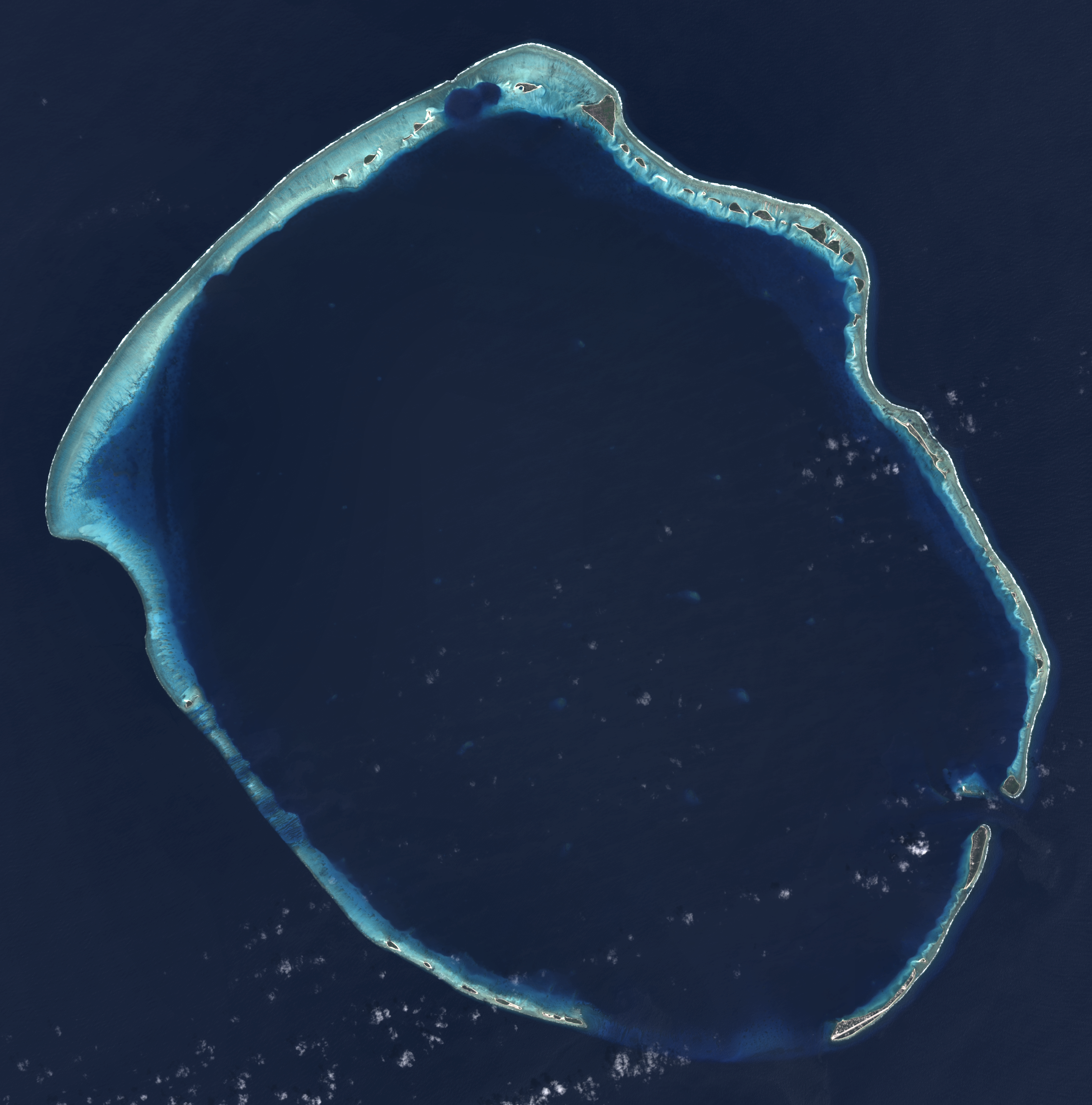
Enewetak Atoll
Atoll in the Pacific OceanWikipedia
10
MENTIONS
10
EPISODES
9
PODCASTS
Search complete. 10 mentions across 10 episodes found for "Enewetak Atoll".
Nov 25, 2026

UrbanHOST
For a nuclear explosion to occur, the device must be placed on or intersect with exact harmonic coordinates on the Earth's grid such that the E equals MC squared equation can be physically fulfilled.
UrbanHOST
Test at Bikini Atoll, Eniwetok, Marmora and the Australian Outback were executed at extremely specific longitudes and latitudes, like 695 minutes of arc from the equator to match the reciprocal harmonic of the speed of light, 6944.
UrbanHOST
And if that's not the case, then there'll be major issues and the device will fail.
UrbanHOST
Now, again, it's according to Bruce Cathy.

Mickey BiancoUNKNOWN
You were in his outfit? Sure, his platoon.
Mickey BiancoUNKNOWN
We were murdered being patriotic at Inuitok.
Mickey BiancoUNKNOWN
But not the Lieutenant.
Mickey BiancoUNKNOWN
And not me either.

Tony SweetHOST
To understand how that idea landed, set the flying saucer aside for a minute and go back to the first day of November 1952, local time, in the Marshall Islands.
Tony SweetHOST
At Eniwetok Atoll, the United States detonated the first thermonuclear device.
Tony SweetHOST
The test was codenamed Mike.
Tony SweetHOST
Less than three weeks later, Adamski says, he stood in the California desert and came away believing that someone from another planet was worried about our bombs.

James BagwanSOUNDBITE_SPEAKER
We don't speak just from a moral high ground.
James BagwanSOUNDBITE_SPEAKER
Pacific countries know firsthand the impact of nuclear testing, whether it is nuclear testing that took place in Mauhinui, French Polynesia, whether it is nuclear testing that took place on Christmas Island Atoll in Kiribati, in Bikini and Enewatak and others in the Marshall Islands.
James BagwanSOUNDBITE_SPEAKER
We have experienced firsthand the bulk of nuclear explosions in the world.
James BagwanSOUNDBITE_SPEAKER
And so when we speak about this, just as we do from the issue of climate change, we speak with the authority of people who have gone through this experience and know what we are talking about.

Jon H. ElseGUEST
They had seen the entire sky... horizon to horizon light up, and they had in their gut a visceral feeling of what nuclear weapons do.
Jon H. ElseGUEST
I mean, there's a famous story of a general, a combat-hardened general wetting his pants at Eniwetok at the site of one of these things.
Jon H. ElseGUEST
And if you talk to anyone who's ever seen a nuclear explosion up close, they're all unanimous that this is insane, this is preposterous, this is something we must never do.
Jon H. ElseGUEST
Today, there's not a single person anywhere in the world making nuclear policy who has ever stood in the presence of a nuclear weapon.

Tim KinsellaHOST
Then they joined the war.
Tim KinsellaHOST
Kawaja Lane in January and February, Eniwetok, Bougainville.
Tim KinsellaHOST
On the night of the 16th of May, 1944, near Buka, Johnson and two other destroyers rammed down the Japanese submarine I-176 and sank her with all 103 men aboard.
Tim KinsellaHOST
On the 21st of July, at Guam, Evans did something worth remembering.

Nic MaclellanCORRESPONDENT
because the Americans tested their nuclear weapons in the Marshall Islands.
Nic MaclellanCORRESPONDENT
Sixty-seven atomic and hydrogen bomb tests were conducted in the late 40s, early 50s in the Marshall Islands, exposing pretty much every atoll in the country to radioactive fallout, but particularly atolls in the north, places like Rongelap, Alinglalai, Kootarik and others, and Bikini and Eniwetok atolls, the two test sites.
Nic MaclellanCORRESPONDENT
And, for example, the people of Rongelap, people of Bikini, have been evacuated several times from their home islands because of radioactive contamination.
Nic MaclellanCORRESPONDENT
Bikini still live in exile to this day, once again, more than 70 years after the tests.

Tim PoolHOST
The weapon that destroyed a city just became a match.
Tim PoolHOST
November 1st, 1952, Eniwetok Atoll in the Pacific.
Tim PoolHOST
America tests the first one, codenamed Ivy Mike.
Tim PoolHOST
10.4 megatons.

speaker_3NARRATOR
After weeks at sea, the 3rd Division and the 1st Brigade were given a respite and a chance to go ashore to lose their sea legs after so long a period on board ships.
speaker_3NARRATOR
the task force fifty three convoy moved back to eniwetok atoll whose huge twenty mile wide lagoon was rapidly becoming a major forward naval base the marines welcomed the break and the chance to walk on dry land on the small islands of the atoll There was even an issue of warm beer to all those on shore.
speaker_3NARRATOR
The Marine veterans of the fighting on Bougainville, New Georgia, and Inuitak had a chance to look over the soldiers of the 305th Regimental Combat Team, which now came forward from Oahu to be attached briefly to the brigade for the landing on Guam, set for 21 July and designated W Day.
speaker_3NARRATOR
the rest of the army contingent the seventy seventh infantry division was well trained and well led and was scheduled to arrive at the target on w plus one twenty two july the third marine division composed of the third ninth and twenty first marines rifle regiments the twelfth marines artillery and the nineteenth marines engineers and pioneers plus supporting troops numbered twenty thousand two hundred thirty eight men it had received its baptism of fire on bougainville in november and december of nineteen forty three and spent the intervening months on guadalcanal training and absorbing casualty replacements the first provisional marine brigade which was organized on guadalcanal was also a veteran outfit one of its infantry regiments the fourth marines was formed from the disbanded raider battalions which had fought in the solomons the other once separate regiment the twenty-second marines was blooded in the seizure of aniwatak in february nineteen forty four both regiments had seventy five millimeter pack howitzer battalions attached which now joined brigade troops in all the brigade mustered nine thousand eight hundred eighty six men corps troops of the three corps was heavy with artillery and would use every gun three corps had three battalions of one hundred fifty five millimeter howitzers and guns and the ninth and fourteenth defense battalions whose ninety millimeter guns could and would fire at both air and ground targets for the handling of casualties three corps had a medical battalion with equipment and supplies to operate a fifteen hundred bed hospital in addition the first brigade had two medical companies the third division its own medical battalion and the seventy seventh division a fully staffed and equipped army field hospital each of the divisions had a medium tank battalion and a full complement of engineers augmented by two marine separate engineer battalions and two naval construction battalions two amphibian tractor battalions and an armored amphibian battalion would carry the assault waves to shore all in all the three amphibious corps was prepared to land more than fifty four thousand soldiers sailors and marines waiting for the attack and sure that it would come but not where was the japanese twenty ninth infantry division under lieutenant-general takashi takashina the twenty ninth had served in japan's kwantung army operating and training in manchuria until it was sent to the marianas in february nineteen forty four one of its regiments the eighteenth fell victim to an american submarine the trout and lost twenty two hundred of its thirty five hundred men when its transport was sunk reorganized on saipan the eighteenth infantry regiment took two infantry battalions to guam together with two companies of tanks another of the twenty ninth regiments garrisoned tinian and the remaining unit the thirty eighth infantry together with division headquarters troops arrived on guam in march the other major army defending units were the forty eighth independent mixed brigade and the tenth independent mixed regiment both formed on guam in march from a six battalion infantry artillery and engineer force sent from the kwan tung army with miscellaneous supporting troops the total army defending force numbered about eleven thousand five hundred men added to these were five thousand naval troops of the fifty fourth ki guard force and about two thousand naval airmen reorganized as infantry to defend orote peninsula and its airfield general takashina was in overall tactical command of the eighteen thousand five hundred army and navy defenders His immediate superior, Lieutenant General Hideyoshi Obata, commanding the 31st Army, was also on Guam, though not intentionally.
speaker_3NARRATOR
Returning to his Saipan headquarters from an inspection trip to the Palau Islands, Obata was trapped on Guam by the American landing on Saipan.
speaker_4NARRATOR
admiral spruance kept the floating reserve well south and east of saipan out of the path of an expected japanese naval attack a powerful japanese fleet eager to close with the american invasion force descended upon the marianas the opposing carrier groups clashed near by in the battle of the philippine sea one of the major air battles of the war the imperial navy lost three hundred thirty out of the four hundred thirty planes it launched in the fray the clash nineteen june called the great mariana's turkey shoot was catastrophic for the japanese and ended once and for all any naval or air threat to the mariana's invasion with the hard fighting on saipan turning gradually but inevitably in favor of the american marines and soldiers battling the japanese the u s navy was ready to direct its attention to guam which was now slated to receive the most thorough pre-landing bombardment yet seen in the pacific war after weeks at sea the third division and the first brigade were given a respite and a chance to go ashore to lose their sea legs after so long a period on board ships the task force fifty three convoy moved back to eniwetok atoll whose huge twenty mile wide lagoon was rapidly becoming a major forward naval base the marines welcomed the break and the chance to walk on dry land on the small islands of the atoll There was even an issue of warm beer to all those on shore.
speaker_4NARRATOR
The Marine veterans of the fighting on Bougainville, New Georgia, and Inuitak had a chance to look over the soldiers of the 305th Regimental Combat Team, which now came forward from Oahu to be attached briefly to the brigade for the landing on Guam, set for 21 July and designated W Day.
speaker_4NARRATOR
the rest of the army contingent the seventy seventh infantry division was well trained and well led and was scheduled to arrive at the target on w plus one twenty two july the third marine division composed of the third ninth and twenty first marines rifle regiments the twelfth marines artillery and the nineteenth marines engineers and pioneers plus supporting troops numbered twenty thousand two hundred thirty eight men it had received its baptism of fire on bougainville in november and december of nineteen forty three and spent the intervening months on guadalcanal training and absorbing casualty replacements the first provisional marine brigade which was organized on guadalcanal was also a veteran outfit one of its infantry regiments the fourth marines was formed from the disbanded raider battalions which had fought in the solomons the other once separate regiment the twenty-second marines was blooded in the seizure of aniwatak in february nineteen forty four both regiments had seventy five millimeter pack howitzer battalions attached which now joined brigade troops in all the brigade mustered nine thousand eight hundred eighty six men corps troops of the three corps was heavy with artillery and would use every gun three corps had three battalions of one hundred fifty five millimeter howitzers and guns and the ninth and fourteenth defense battalions whose ninety millimeter guns could and would fire at both air and ground targets for the handling of casualties three corps had a medical battalion with equipment and supplies to operate a fifteen hundred bed hospital in addition the first brigade had two medical companies the third division its own medical battalion and the seventy seventh division a fully staffed and equipped army field hospital each of the divisions had a medium tank battalion and a full complement of engineers augmented by two marine separate engineer battalions and two naval construction battalions two amphibian tractor battalions and an armored amphibian battalion would carry the assault waves to shore all in all the three amphibious corps was prepared to land more than fifty four thousand soldiers sailors and marines waiting for the attack and sure that it would come but not where was the japanese twenty ninth infantry division under lieutenant-general takashi takashina the twenty ninth had served in japan's kwantung army operating and training in manchuria until it was sent to the marianas in february nineteen forty four one of its regiments the eighteenth fell victim to an american submarine the trout and lost twenty two hundred of its thirty five hundred men when its transport was sunk reorganized on saipan the eighteenth infantry regiment took two infantry battalions to guam together with two companies of tanks another of the twenty ninth regiments garrisoned tinian and the remaining unit the thirty eighth infantry together with division headquarters troops arrived on guam in march the other major army defending units were the forty eighth independent mixed brigade and the tenth independent mixed regiment both formed on guam in march from a six battalion infantry artillery and engineer force sent from the kwan tung army with miscellaneous supporting troops the total army defending force numbered about eleven thousand five hundred men added to these were five thousand naval troops of the fifty fourth ki guard force and about two thousand naval airmen reorganized as infantry to defend orote peninsula and its airfield general takashina was in overall tactical command of the eighteen thousand five hundred army and navy defenders His immediate superior, Lt. Gen. Hideyoshi Obata, commanding the 31st Army, was also on Guam, though not intentionally.
speaker_4NARRATOR
Returning to his Saipan headquarters from an inspection trip to the Palau Islands, Obata was trapped on Guam by the American landing on Saipan.