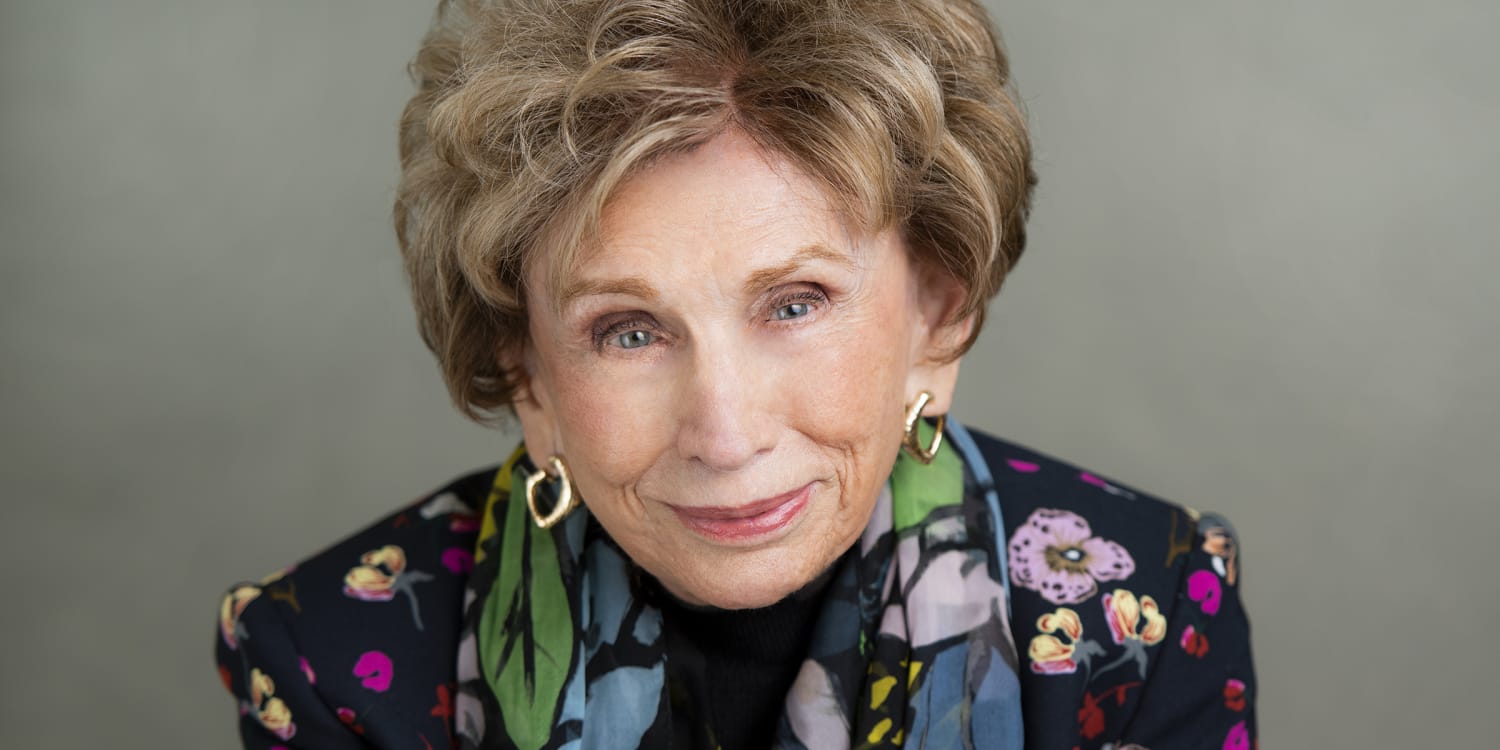
Edith Eger
Hungarian-American psychology specialist and psychotherapistWikipedia
16
MENTIONS
14
EPISODES
13
PODCASTS
Search complete. 16 mentions across 14 episodes found for "Edith Eger".
Nov 9, 2026

Dovid BogopulskyHOST
I'm going to explain.
Dovid BogopulskyHOST
There's a book called The Choice written by Dr. Edith Eger.
Dovid BogopulskyHOST
Dr. Edith Eger, she's currently 97 years old.
Dovid BogopulskyHOST
She lives in La Jolla, California, San Diego.
Dovid BogopulskyHOST
She's a therapist.

Aldo de PapeHOST
Another psychologist and messian masterful is, of course, the late Dr. Edith Eger, who passed away well in her 90s, I think 96, 97 even, but as a Holocaust survivor and author of The Choice.
Aldo de PapeHOST
It's not about being on Oprah or like, you know, the big shows, but it's more that a person that has such a profound message for this world, that this person also takes time to speak to me.
Aldo de PapeHOST
That's just tremendous.

Ramani DurvasulaHOST
But you are wondering, is there a good side of this proverb for survivors? I actually think, yes, there is.
Ramani DurvasulaHOST
When we think about the work of existential writers, especially people like Viktor Frankl or Rollo May or people like Edith Eger, they are saying in the most eloquent way that suffering can be mined for meaning and purpose, that we can be present with our suffering and learn from it, not hang out in it or want more of it or seek it out, but rather to attempt to embark on a journey of post-traumatic meaning, purpose, and growth.
Ramani DurvasulaHOST
so many survivors of narcissistic abuse are worried that after they get the divorce or they leave the narcissistic relationship or set the boundaries with family members friends partners whatever that they will forever be harmed mired in grief unable to trust and permanently cynical What I am actually observing in myriad survivors over time is that most people actually get to that place of growth, to a place of less fear, of finding meaning and purpose in what happened to them, of finding joys in small moments and not having those joys stolen by someone else's bitterness and not in not finding joys and justifying another person's bad behavior but in the beauty around them but all of that means making a shift It doesn't mean getting out of the relationship necessarily.
Ramani DurvasulaHOST
I know some of you can't.

Jill StoddardHOST
What about
Yael SchonbrunHOST
other highlights? I have so many highlights, but I'll just share one just sweet one, which is that when I interviewed Edith Eger, I interviewed her for her book, The Choice.
Yael SchonbrunHOST
And my mom is actually a huge fan of hers.
Yael SchonbrunHOST
She's very interested in Holocaust history.

Emma SullivanGUEST
It's all these things that fall into place when you focus on the main picture and have that kind of congruence in the direction that you're headed.
Britt MyersHOST
I love that you mentioned Viktor Frankl because you and Josh Goldberg shared that commonality of Man's Search for Meaning and The Choice by Edith Eger.
Britt MyersHOST
Both have been books that have really transformed your path and your journey.
Britt MyersHOST
What about those have stood out to you and really struck you?

Ramani DurvasulaHOST
But you are wondering, is there a good side of this proverb for survivors? I actually think, yes, there is.
Ramani DurvasulaHOST
When we think about the work of existential writers, especially people like Viktor Frankl or Rollo May or people like Edith Eger, they are saying in the most eloquent way that suffering can be mined for meaning and purpose, that we can be present with our suffering and learn from it, not hang out in it or want more of it or seek it out, but rather to attempt to embark on a journey of post-traumatic meaning, purpose, and growth.
Ramani DurvasulaHOST
so many survivors of narcissistic abuse are worried that after they get the divorce or they leave the narcissistic relationship or set the boundaries with family members friends partners whatever that they will forever be harmed mired in grief unable to trust and permanently cynical What I am actually observing in myriad survivors over time is that most people actually get to that place of growth, to a place of less fear, of finding meaning and purpose in what happened to them, of finding joys in small moments and not having those joys stolen by someone else's bitterness and not in not finding joys and justifying another person's bad behavior but in the beauty around them but all of that means making a shift It doesn't mean getting out of the relationship necessarily.
Ramani DurvasulaHOST
I know some of you can't.

Kristin FitchHOST
Yeah, I love something that I can't remember.
Kristin FitchHOST
I think she's a psychologist, but Edith Eger in her book, The Gift, said, And she was someone that was in the concentration camps as a young girl, and most of her family was killed there.
Kristin FitchHOST
But she says that a lot of people, when they're struggling with something, something's happened to them, you know, or whatnot, some adversity.
Kristin FitchHOST
She says they can sometimes get stuck in that victimhood mentality of why me, why me, why me? But the problem with that is, is then we're not rising above, right? We're not stepping into what we could be doing, even through the hard thing, even in your circumstance or in your place, you know, where you could not leave jail, but there were still things you were able to do if you were willing.

Laura RowleyGUEST
And also give yourself, obviously, by the time I've gotten to this age, it was very satisfying to write about grief and to write about love and to write about things that I've experienced across my life.
Laura RowleyGUEST
But I just saw a documentary called The Choice, which is about Edith Eger, who was a Holocaust survivor.
Laura RowleyGUEST
She's a ballerina in Budapest when she was sent to Auschwitz, and she had to dance for Joseph Mengele.
Laura RowleyGUEST
And she says, she just recently passed away at like age 100, but she says, I love this line, walk through the valley of the shadow of death, but don't set up camp there.

Ramani DurvasulaHOST
But you are wondering, is there a good side of this proverb for survivors? I actually think, yes, there is.
Ramani DurvasulaHOST
When we think about the work of existential writers, especially people like Viktor Frankl or Rollo May or people like Edith Eger, they are saying in the most eloquent way that suffering can be mined for meaning and purpose, that we can be present with our suffering and learn from it, not hang out in it or want more of it or seek it out, but rather to attempt to embark on a journey of post-traumatic meaning, purpose, and growth.
Ramani DurvasulaHOST
so many survivors of narcissistic abuse are worried that after they get the divorce or they leave the narcissistic relationship or set the boundaries with family members friends partners whatever that they will forever be harmed mired in grief unable to trust and permanently cynical What I am actually observing in myriad survivors over time is that most people actually get to that place of growth, to a place of less fear, of finding meaning and purpose in what happened to them, of finding joys in small moments and not having those joys stolen by someone else's bitterness and not in not finding joys and justifying another person's bad behavior but in the beauty around them but all of that means making a shift It doesn't mean getting out of the relationship necessarily.
Ramani DurvasulaHOST
I know some of you can't.

LynetteHOST
And I want to offer there is no final arrival.
LynetteHOST
It is, as Dr. Edith Eger also taught
SutherlandSOUNDBITE_SPEAKER
me,
LynetteHOST
a lifelong process of rediscovering ourselves, of learning more about ourselves, of getting back to our essence, our ageless essence.
LynetteHOST
That's where transformation happens.
LynetteHOST
That's where we start evolving and not just revolving.
LynetteHOST
Again, another beautiful term from Dr. Edith Eger.
LynetteHOST
So that is where we are.
4 more episodes mention Edith Eger.
Create an account to see the whole feed, search across every transcript, and follow the entities you care about.