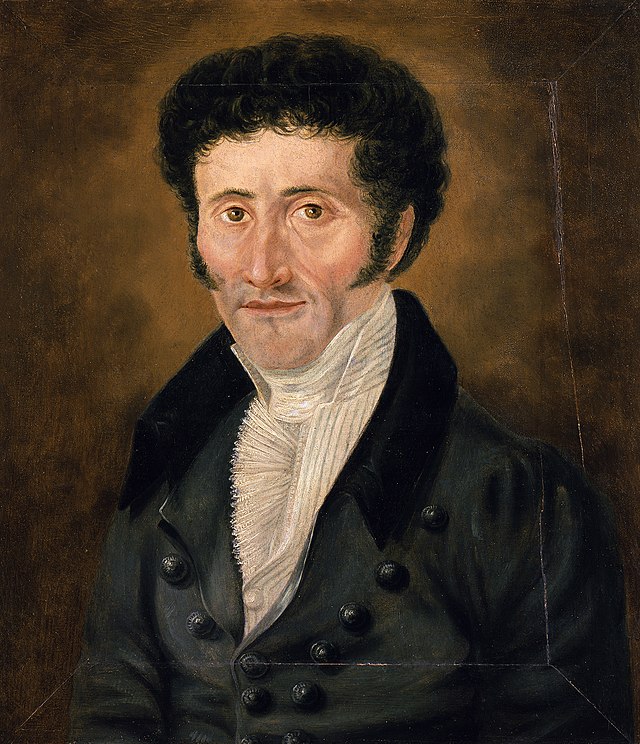
E. T. A. Hoffmann
AuthorWikipedia
18
MENTIONS
1
EPISODES
1
PODCASTS
Search complete. 18 mentions across 1 episode found for "E. T. A. Hoffmann".
Sep 3, 2026

Ben TuckerNARRATOR
Lowell, in his Fable for Critics, speaks of Hawthorne as a John Bunyan Fouqué, a Puritan Tieck.
Ben TuckerNARRATOR
There are still more striking similarities to be pointed out between the work of Poe and that of E.T.A. Hoffmann.
Ben TuckerNARRATOR
As Hawthorne was, to a slight extent at least, affected by German legends and wonder tales, Poe was influenced by Hoffmann's horror stories.
Ben TuckerNARRATOR
Poe has been called a Germanic dreamer, and various German and English critics mention the debt that he owes to Hoffmann.
Ben TuckerNARRATOR
Mr. Palmer Cobb brings out some interesting facts in connection with the two romanticists.
Ben TuckerNARRATOR
He says, "The verification of Poe's indebtedness to German is to be sought in the similarity of the treatment of the same motives in the work of both authors.
Ben TuckerNARRATOR
The most convincing evidence is furnished by the way in which Poe has combined the themes of mesmerism, metempsychosis, dual existence, the dream element, and so forth, in exact agreement with the grouping employed by Hoffmann." Notable examples of this are the employment of the idea of double existence in conjunction with the struggle of good and evil forces in the soul of the individual and the combination of mesmerism and metempsychosis as leading motives in one and the same story.
Ben TuckerNARRATOR
Mr. Cobb points out in detail the similarities between Poe's stories of dual personality and the German use of the theme as found in Fouquet, Novalis, and Hoffmann, particularly the last.