Drug tolerance
5
MENTIONS
3
EPISODES
3
PODCASTS
Search complete. 5 mentions across 3 episodes found for "Drug tolerance".
Sep 15, 2026

speaker_1UNKNOWN
But the long term risks are where the real danger lies.
Manaan KarrayHOST
Tolerance independence.
speaker_1UNKNOWN
Right.
speaker_1UNKNOWN
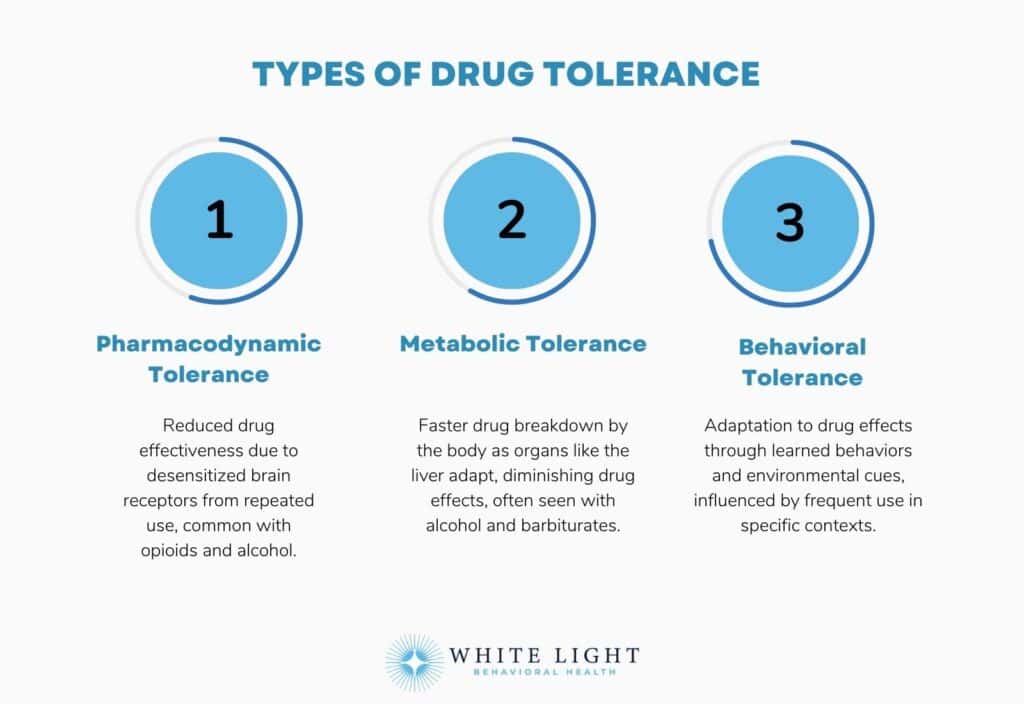
The brain adapts to the constant presence of the benzodiazepine by down regulating its own GABA receptors.

speaker_0HOST
Up to four.
speaker_0HOST
So what about tolerance?
Lisa LuanGUEST
Tolerance.
Lisa LuanGUEST
Yeah, so because...
Lisa LuanGUEST
Yeah, so this was part of the sort of, we call it dose response study, dose finding study, where we tested different doses.

speaker_3NARRATOR
Someone stressed and sleep-deprived will feel caffeine's effects much more intensely than when rested and calm.
speaker_3NARRATOR
Tolerance develops with regular consumption, reducing sensitivity to caffeine.
speaker_3NARRATOR
Someone drinking coffee daily for years shows dramatically less response to caffeine than someone drinking it occasionally.
speaker_3NARRATOR
Your brain adapts to chronic caffeine by producing more adenosine receptors, requiring higher caffeine doses to achieve equivalent blocking.
22 MINS LATER
speaker_3NARRATOR
The adaptation mechanisms that prevent sustained blood pressure elevation represent cardiovascular benefit because they indicate healthy vascular responsiveness.
speaker_3NARRATOR
This counterintuitive relationship demonstrates how short-term physiological changes don't necessarily predict long-term health outcomes.
speaker_3NARRATOR
Tolerance development process begins immediately upon first caffeine consumption as your brain recognizes the adenosine receptor blocking and initiates adaptive responses.
speaker_3NARRATOR
Your neurons and other cells respond to the unusual receptor occupancy by changing their response patterns.