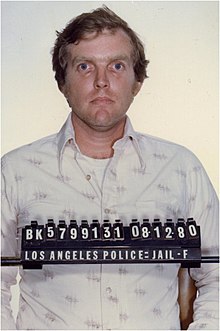
Doug Clark
American serial killer
4
APPEARANCES
3
PODCASTS
Sep 4, 2026

Jessica PeckHOST
Doug, I know that you've been on the program before, but for people who are just now meeting you and learning about this movement, please tell us about your legacy here.

Doug ClarkGUEST
I, I'm alive today because of spiritually anyway, because someone took the time to come to my high school campus when I was a sophomore in high school and a junior and to just be there as a youth worker.
Doug ClarkGUEST
It was a young life leader named Pete Cantu, who's still still exercising ministry in his 80s and 90s.
Doug ClarkGUEST
He was one who led me into a relationship with other people, and I found a community of believers, Christian students on my campus, who loved me as a lonely young guy and brought me and ushered me into a place where I could hear the gospel.
Doug ClarkGUEST
The other part, too, is that as a youth pastor, then really as a young youth pastor, the bicentennial, not the sesquicentennial, whatever it was just called that we just had, but the bicentennial, which I can spell, I think, was 1976.
32 MINS LATER
Jessica PeckHOST
I've been meaning to think about, you know, helping to start an event at our school." And there's some people who are thinking, "Wait, I don't think I've ever heard about this." Let's, how, if a child says, "Hey, I wanna participate," any way to get involved, what do they do? How do you even start?
Doug ClarkGUEST
Well, you just shared the URL for the See You at the Pole website, syatp.com. That's the place to start.
Doug ClarkGUEST
And I literally just got a text while we were starting this broadcast today that the See You at the Pole resource store is open, uh, so they can get a chance to see some of the different resources available.
Doug ClarkGUEST
We've said many times, every year, all the time, "You don't have to pay a penny to participate in See You at the Pole," but there are resources available, some that are free, some that you can buy, like T-shirts, et cetera, uh, that people can get to participate in See You at the Pole.
Doug ClarkGUEST
But also on that website are all of the guides that they might need on how to plan, how to prepare, how to publicize, some graphics they can use, and, uh, even for people in the media, uh, then there are some spots that they can use as part of radio spots and that kind of a thing.


Evan BrayHOST
I think we all are, of course, in our mind trying to think, okay, is there something going on that's causing this? Has something changed? Is it a food scarcity issue? Is it human activity? Is it wildfires? Do you have any thoughts as to what might be driving or are these two very unique situations?
Doug ClarkGUEST
And there are some interesting... consistencies, and that's probably the only word I can use, with some of the previous events.
Doug ClarkGUEST
Now, it's not a big number of events to draw a lot of conclusions from, but it's all we've got.
Doug ClarkGUEST
So what intrigues me is that if you look at the documentation for the two incidents where people lost their lives in 1983, and this was in late May in that year, two different incidents in northeast central Saskatchewan.
Doug ClarkGUEST
Steve Herrero's book, and Steve Herrero is the guy who literally wrote the book on bear attacks in Canada, he noted that that year in Saskatchewan there was a late green-up.
Evan BrayHOST
But are there certain steps people can take to ensure that they're safe or we must do this, especially if you're going into a remoter area in the provinces north?

Doug ClarkGUEST
So the reason I got started in this whole thing, and I know a lot of people maybe know already, but is because of my mom.
Doug ClarkGUEST
So I grew up an athlete, you know, played baseball, played college baseball, pretty in shape, and then I got my personal training certificate because I also coached baseball players, so I wanted to help athletes.
Doug ClarkGUEST
And, um, so I got my personal training certificate, and then, like right after I got my personal training certificate, my mom passed away.

Brian MarkHOST
So like, what are you gonna teach these kids that's gonna help them get to the next level?