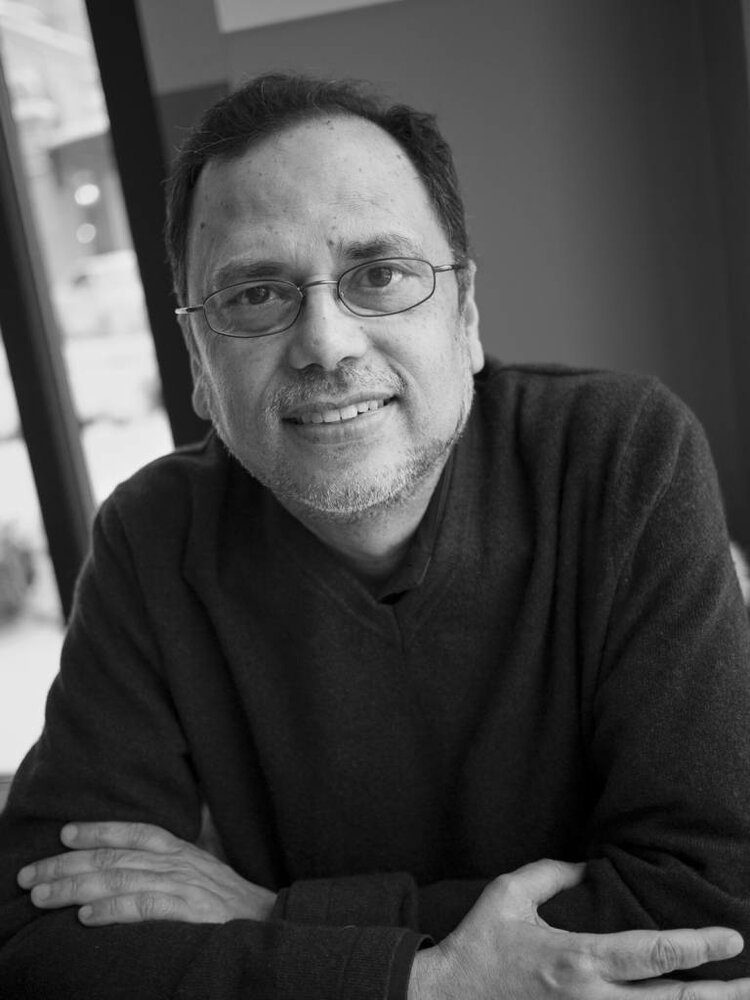
Dipesh Chakrabarty
Indian historianWikipedia
6
MENTIONS
6
EPISODES
6
PODCASTS
Search complete. 6 mentions across 6 episodes found for "Dipesh Chakrabarty".
Oct 2, 2026

Sasikumar SundaramGUEST
And post-colonial scholarship aims to sort of, um, uh, disentangle, un- understand the sort of intricacies and its connections to all these things that seems obvious to us and how it is connected to empire and in service of that order.
Sasikumar SundaramGUEST
And post-colonial scholarship pr- pretty much, uh, says we need to provincialize the West, as Dipesh Chakrabarty talks about, right? Uh, we cannot ke- think about the West as the universal marker for everything that is beginning, um, everything that is good about this world did not come from the West, and we have to see West and the, and the East not so much as distinct and binary, but as interconnected and entangled, and we have to give equal attention to, uh, the continuous entanglement of the, of, of the nature of empire that is, that is, that has its influence in thinking.
Sasikumar SundaramGUEST
But the postcolonial with the hyphen, um, and I wanna emphasize that caveat, was popularized with, uh, Edward Said's work in 1978, right? It is in that time, uh, postcolonialism was marking a sophisticated distinction, if you like, between the classic, um, Marxist analysis based on class.
Sasikumar SundaramGUEST
You know, what a, a class-based analysis would just immediately say, "Well, everything is about the ruling class.

Sasikumar SundaramGUEST
And post-colonial scholarship aims to sort of, um, uh, disentangle, un-understand the sort of intricacies and its connections to all these things that seems obvious to us and how it is connected to empire and in service of that order.
Sasikumar SundaramGUEST
And post-colonial scholarship pr-pretty much, uh, says we need to provincialize the West, as Dipesh Chakrabarty talks about, right? Uh, we cannot ke- think about the West as the universal marker for everything that is beginning.
Sasikumar SundaramGUEST
Um, the everything that is good about this world did not come from the West, and we have to see West and the, and the East not so much as distinct and binary, but as interconnected and entangled, and we have to give equal attention to, uh, the continuous entanglement of the, of, of the nature of empire that is, that is, that has its influence in thinking.
Sasikumar SundaramGUEST
But the postcolonial with the hyphen, um, and I wanna emphasize that caveat, was popularized with, uh, Edward Said's work in 1978, right? It is in that time, uh, postcolonialism was marking a sophisticated distinction, if you like, between the classic, um, Marxist analysis based on class.

Sasikumar SundaramGUEST
The empire had a particular conception of order and they deployed certain institutions, including academic disciplines, to serve And post-colonial scholarship aims to sort of disentangle and understand the sort of intricacies and its connections to all these things that seems obvious to us and how it is connected to empire and in service of that order.
Sasikumar SundaramGUEST
And post-colonial scholarship pretty much says we need to provincialize the West, as Dipesh Chakraborty talks about, right? We cannot think about the West as the universal marker for everything that is beginning.
Sasikumar SundaramGUEST
Everything that is good about this world did not come from the West.
Sasikumar SundaramGUEST
And we have to see West and the East not so much as distinct and binary, but as interconnected and entangled.

Sasikumar SundaramGUEST
to us and how it is connected to empire and in service of that order.
Sasikumar SundaramGUEST
And post-colonial scholarship pretty much says we need to provincialize the West as Dipesh Chakraborty talks about.
Sasikumar SundaramGUEST
We cannot think about the West as the universal marker for everything that is beginning, everything that is good about this world did not come from the West and we have to see West and the East not so much as distinct and binary but as interconnected and entangled and we have to give equal attention to the continuous entanglement of the nature of empire that has its influence in thinking.
Sasikumar SundaramGUEST
But the post-colonial with the hyphen, and I want to emphasize that caveat, was popularized with Edward Said's work in 1978.

speaker_1HOST
It also forces us to rethink our place in the history of the planet.
speaker_1HOST
In today's episode, I speak with historian Dipesh Chakrabarty about what exactly makes the current climate crisis human-made, why scientists have begun to describe humanity as a geological force, and what concepts such as the Anthropocene can tell us about the historical situation we find ourselves in.
speaker_1HOST
And finally, we ask a much broader question.
speaker_1HOST
What can the climate crisis teach us about human history and about the way we understand ourselves as part of life on this planet?

Jan GroßHOST
Welcome to Future Histories, my name is Jan Groß and it is my great pleasure to welcome Dipesh Chakrabarty in today's episode.
Jan GroßHOST
He is Distinguished Service Professor in History at the University of Chicago, a leading figure of postcolonial theory and subaltern studies and author of influential books like Provincializing Europe, Postcolonial Thought and Historical Difference and The Climate History for Thesis.
Jan GroßHOST
Deepesh has recently given this year's Benjamin Lectures at the Center for Social Critique in Berlin, which will serve us as the basis for our conversation today.