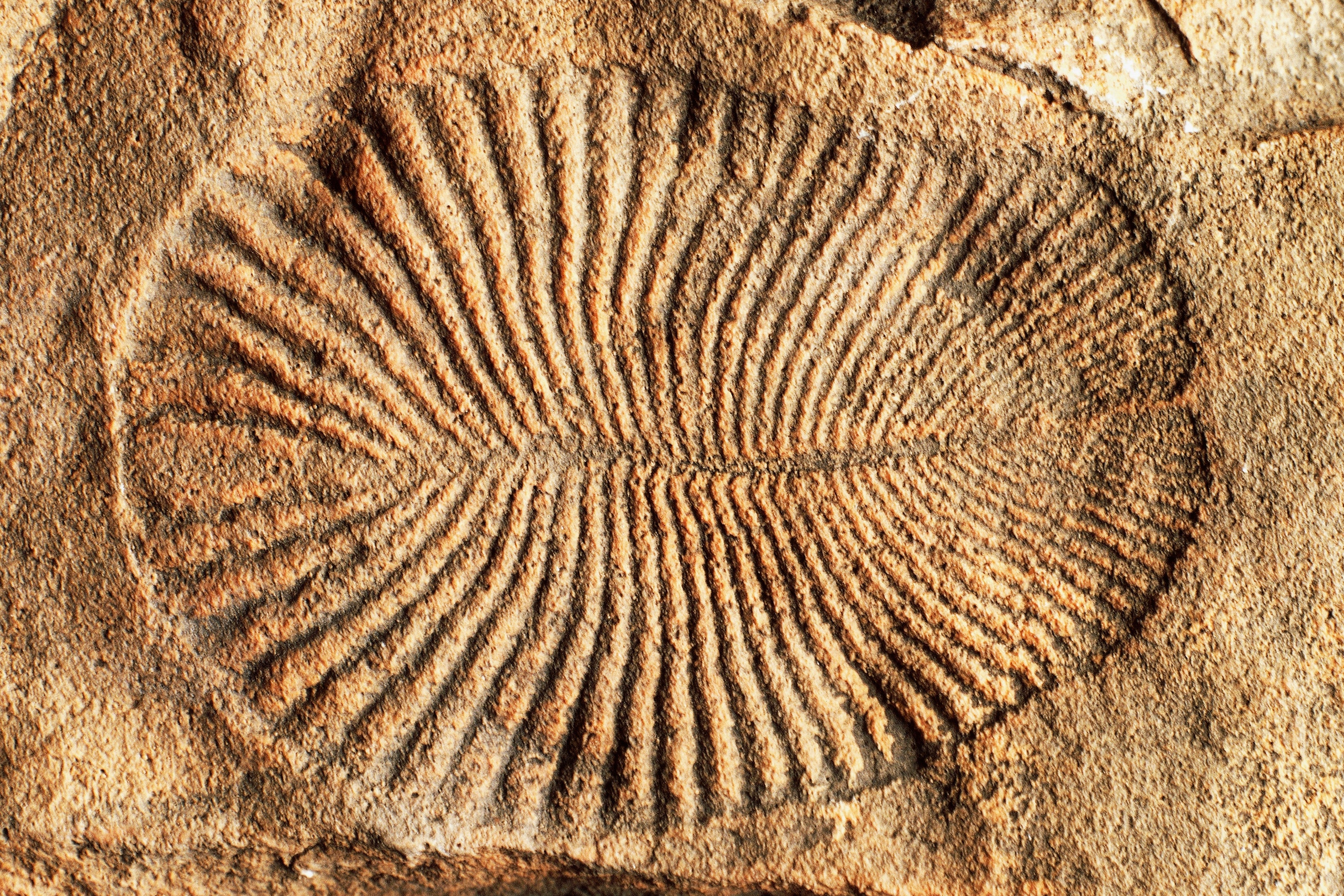
Dickinsonia
AnimalWikipedia
4
MENTIONS
3
EPISODES
3
PODCASTS
Search complete. 4 mentions across 3 episodes found for "Dickinsonia".
Oct 7, 2026

Jackie MullinsHOST
You can see what was inside them.
Jackie MullinsHOST
Compared to the Dickinsonia, these may as well have been screaming at us.
Jackie MullinsHOST
Outlines and raised fossils of the monsters we've been talking about right there, etched in shale.
Jackie MullinsHOST
Honestly, amazing.

Gary MannersHOST
Our molecular clock analyzes show how much further back their evolutionary history could extend.
Gary MannersHOST
Dickinsonia costata, a ribbed ediacaran organism that lived around 550 million years ago.
Gary MannersHOST
Verisimilis at English Wikipedia, cc by sa 3.0 slash cc by 2.5. Did animals live before snowball earth? An origin between 800 and 700 million years ago would place early animals before or during the Cryogenian glaciations known as Snowball Earth, which took hold around 720 million years ago.
Gary MannersHOST
Whether they weathered those conditions, or evolved in the run-up to them, is now wide open.