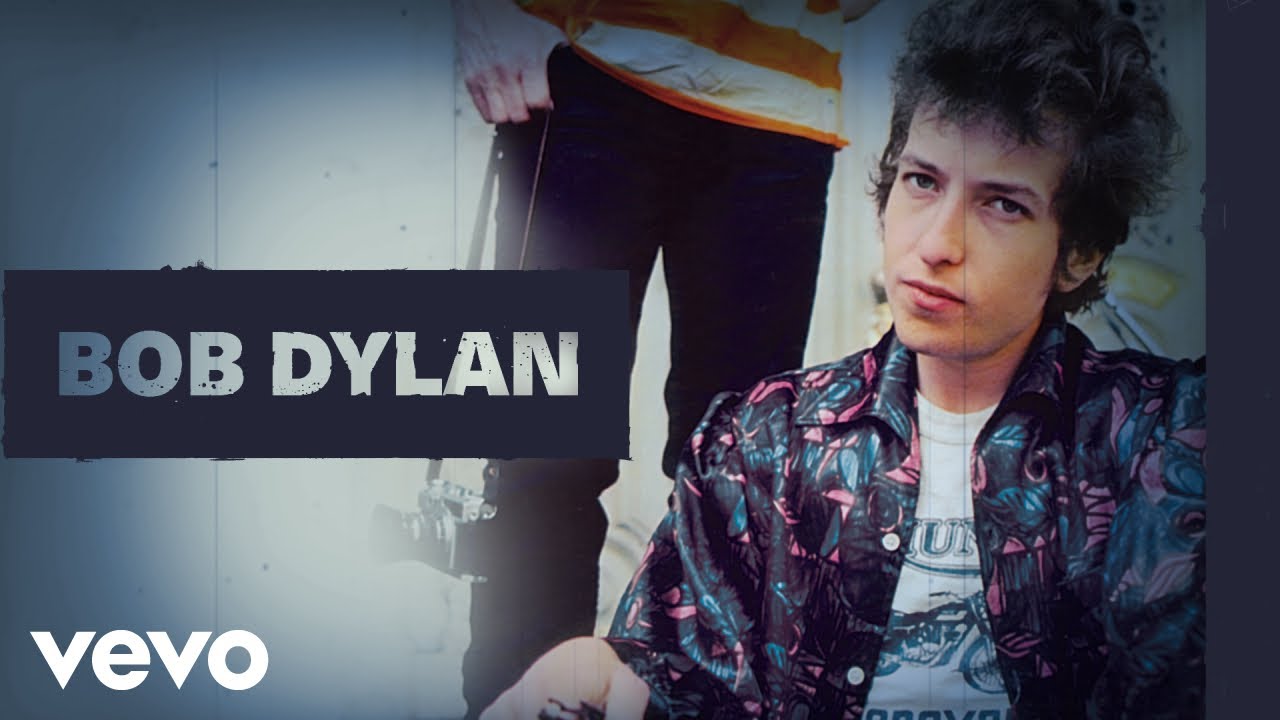
Desolation Row
Song by Bob DylanWikipedia
27
MENTIONS
11
EPISODES
9
PODCASTS
Search complete. 27 mentions across 11 episodes found for "Desolation Row".
Sep 11, 2026

Erin CallahanHOST
great
Adam SelzerGUEST
we should note that it's uh it was noted at the time that some of the lines seemed like there was a thing like the village voice or somebody said what did bob know and when did he know it there was another one about just all the all the weird obsessions that had come up that mentioned some uh obsess over cryptic lines in the new bob dylan album I think it just speaks to, like, last fall when I was first on Anti-Ice Whistle Patrol, every line in Desolation Row suddenly sounded like exactly what was going on.
Adam SelzerGUEST
Right.
Adam SelzerGUEST
Last spring when he sang, every time he sang Gulf of Mexico, there'd be cheers in Key West.

Jim LillHOST
Maybe I've heard that one before.
Jim LillHOST
Positively Fourth Street, Simple Twist of Fate, Highway 61 Revisited, Subterranean Homesick Blues, Desolation Row.
Jim LillHOST
It's All Over Now, Baby Blue.
Jim LillHOST
So that's 25 through 11.

ZeusHOST
Darkness on the edge of...
ZeusHOST
What is it? Desolation Row.
ZeusHOST
Blown in the wind.
ZeusHOST
What is it? Queen Jade, approximately.

DarrenHOST
Zach is a very naughty boy and will be going to bed with soap in his mouth.
DarrenHOST
Ahead of that was My Chemical Romance's cover of Bob Dylan's Desolation Row, which is significantly better than the original, not least because it's literally twice the tempo.
DarrenHOST
Because the original is eight minutes long, that one is three minutes long.
DarrenHOST
That was taken from the 2009 soundtrack to Watchmen, which I really liked that movie.

speaker_0HOST
Although he was giving up the acoustic guitar, he did leave one song in, and it's actually a huge one.
speaker_0HOST
It was Desolation Row, which is an 11-minute acoustic epic and is the only non-electric track on the actual album.
speaker_0HOST
As far as how the album did, well, it hit number three on the Billboard albums chart, and it had those songs mentioned earlier, Ballad of a Thin Man, Desolation Row, Like a Rolling Stone.
speaker_0HOST
The album itself was later inducted into the Grammy Hall of Fame.
speaker_0HOST
In 1966, The Mamas & The Papas released their self-titled studio album.

Chris GregoryHOST
Carnivals and circuses have always fascinated Dylan.
Chris GregoryHOST
The first line of Desolation Row announces that the circus is in town, and in one sense, all the characters in that song may be seen as circus performers.
Chris GregoryHOST
Years before, in his earliest interviews, Dylan had constructed many fabrications about his life, claiming to have run away from home at a very tender age and to have spent much of his youth travelling around the country working in carnivals and circuses.
Chris GregoryHOST
This completely fictional backstory has been heavily romanticised in his unreleased autobiographical 1963 composition Dusty Old Fairgrounds.
speaker_0HOST
In 1965, during a performance at the Forest Hills Tennis Stadium in Queens, New York, Bob Dylan faced intense booing from folk purists who were really upset at the fact that he transitioned from acoustic guitar to electric guitar music.
speaker_0HOST
Despite the hostility, he defiantly powered through his set, which notably included the live debut of his masterpiece, Desolation Row.
speaker_0HOST
In 1965, The Rolling Stones officially signed a major record contract, keeping them with Decca Records for five years while hiring the notoriously aggressive Allen Klein as their co-manager.
speaker_0HOST
This deal vastly increased their cash flow, but it did spark a decades-long legal war over their royalties and master copies.
22 MINS LATER
speaker_0HOST
Those guys are awesome.
speaker_0HOST
Donald O'Connor, singer, dancer, actor, was born in 1925, part of the golden era of the Hollywood movies and musicals.
speaker_0HOST
He performed the song Make 'Em Laugh in the 1952 musical masterpiece, Singin' in the Rain, with Gene Kelly.
speaker_0HOST
Kim Appleby was born in 1961.

Kevin McGinnonHOST
We've been listening to Bob Dylan recorded live at various venues between 1962 and 1966.
Kevin McGinnonHOST
That last song, Desolation Row, was recorded at Channel 9 in Sydney in April 1966.
Kevin McGinnonHOST
I'll put up a full list of the songs and locations when I upload the podcast later tonight.
Kevin McGinnonHOST
You're tuned to Indigo FM, your local independent radio station.

Scott PeeplesGUEST
Not to mention, I mean, I think the obvious appeal to somebody who teaches literature, the fact that his lyrics broke through that divide between popular music and poetry for a lot of people.
Scott PeeplesGUEST
And he's one of the first songwriters that English professors wanted to bring into the classroom and who were willing to say, yeah, this is worthy of analysis, this Desolation Row, Gates of Eden.
Scott PeeplesGUEST
So a lot of reasons that I was drawn to Dylan.
Scott PeeplesGUEST
But probably the most fundamental one is that I've always been a Dylan fan my whole life.
19 MINS LATER
Scott PeeplesGUEST
But also just culturally, thinking about Dylan as more than a popular musician, but as a sort of leader... or symbol for what a lot of people were looking for and remember about now, the second half of the 60s.
Scott PeeplesGUEST
It stands out as a moment of defiance, but it's also important to remember it coincides with Dylan's growth as a lyricist.
Scott PeeplesGUEST
If we just think about him plugging in as a symbol, We might lose sight of the fact that he was also writing songs like Desolation Row and Visions of Johanna.
Scott PeeplesGUEST
There's these groundbreaking songs around that same time.

Scott PeeplesGUEST
um all of the twists and turns in his career um not to mention i mean i think kind of the the obvious appeal to somebody who teaches literature the fact that his lyrics kind of broke through that divide between popular music and poetry um, for a lot of people.
Scott PeeplesGUEST
And he's one of the first, you know, one of the first songwriters that, uh, English professors, uh, wanted to bring into the classroom and, uh, who were willing to say, yeah, this is, you know, this is worthy of analysis, this desolation row, uh, gates of Eden.
Scott PeeplesGUEST
So, um, a lot of reasons that, that I was drawn to Dylan, but, um, it's the, probably the most fundamental one is that I've always been a Dylan fan my whole life.
Yana ByersHOST
Yeah.
21 MINS LATER
Scott PeeplesGUEST
If we just think about him plugging in as a symbol,
speaker_7NARRATOR
And
Scott PeeplesGUEST
we might lose sight of the fact that he was also writing songs like Desolation Row and Visions of Johanna.
Scott PeeplesGUEST
And there's these groundbreaking songs around that same time.
1 more episode mentions Desolation Row.
Create an account to see the whole feed, search across every transcript, and follow the entities you care about.