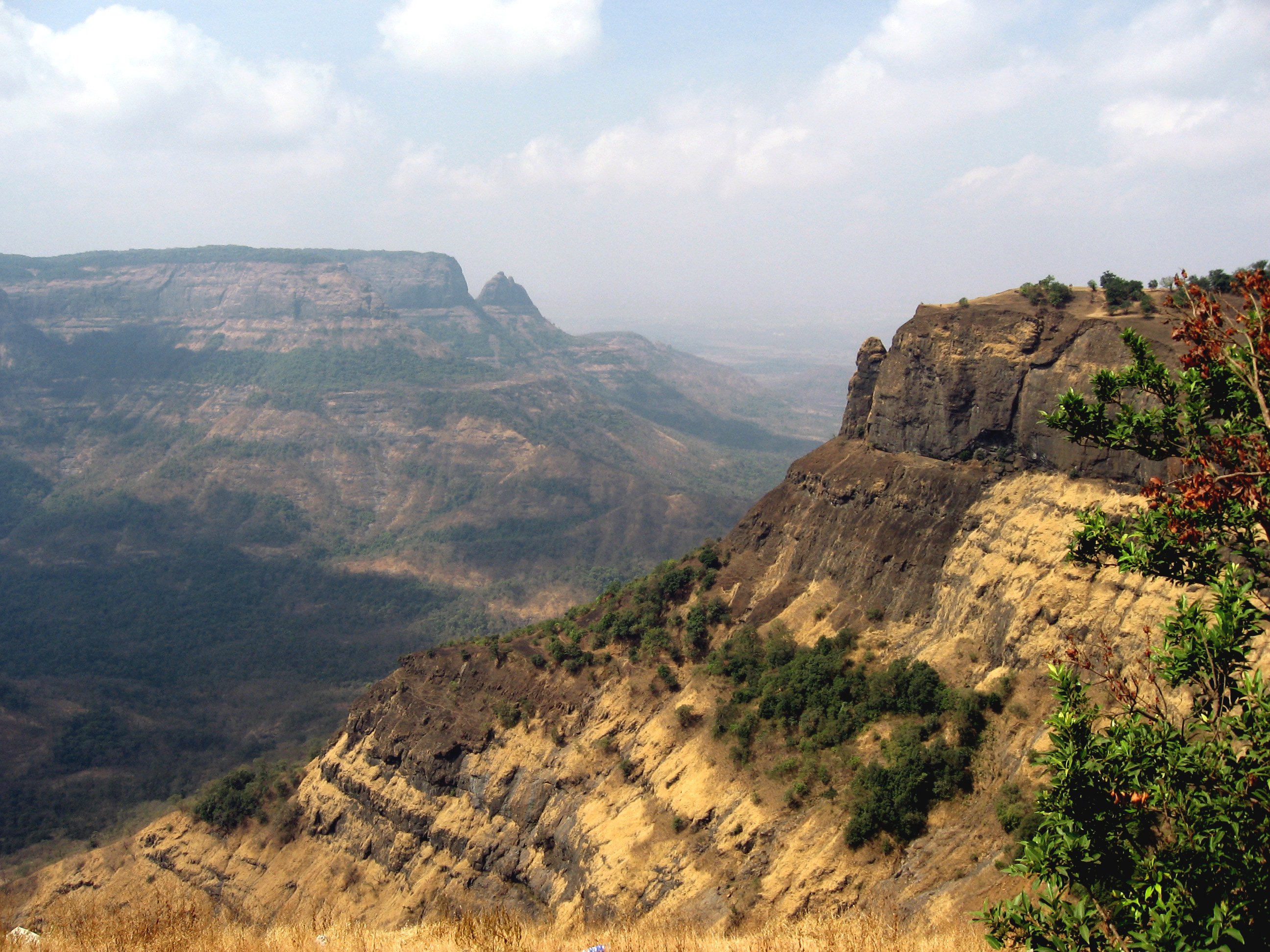
Deccan Traps
Geographical featureWikipedia
3
MENTIONS
3
EPISODES
3
PODCASTS
Search complete. 3 mentions across 3 episodes found for "Deccan Traps".
Oct 25, 2026

Theo WrenfieldNARRATOR
Volcanic activity, too, played its part in this restless world.
Theo WrenfieldNARRATOR
In what is now India, a vast region of volcanic rock known as the Deccan Traps began to take shape through enormous eruptions that would continue on and off for hundreds of thousands of years.
Theo WrenfieldNARRATOR
These eruptions release tremendous quantities of gas and ash into the atmosphere.
Theo WrenfieldNARRATOR
And though scientists continue to study and debate the full extent of their influence on the climate of the time, it is clear that the Earth of the late Cretaceous was a planet of restless geological activity, with forces stirring both above and below its surface.

Ra CastaldoGUEST
Some of them are, I think actually talking about the magnetosphere and heavenly rivers.
Ra CastaldoGUEST
And sometimes the words are used for actual technology on the planet, right? That, so, uh, When you go into just how they're basically just power stations, I mean, you start to look at just places like the Kailasa Temple in the Allura Caves in the Deccan Traps of India.
Ra CastaldoGUEST
Those are carved right out of the freaking basalt, and it's a technological anomaly.
Ra CastaldoGUEST
And I do believe that these ancient Indian temples would now are just replication temples were once harnessing clean energy technology that we're going to get into now.

Jamil HasanHOST
He taught historical geology.
Jamil HasanHOST
He believed that the dinosaurs went extinct because the Deccan Traps volcanism in India, and not the asteroid.
Billy LuedtkeGUEST
Whoa.
Jamil HasanHOST
You know? And he was called crazy all his career, and no one believed him.