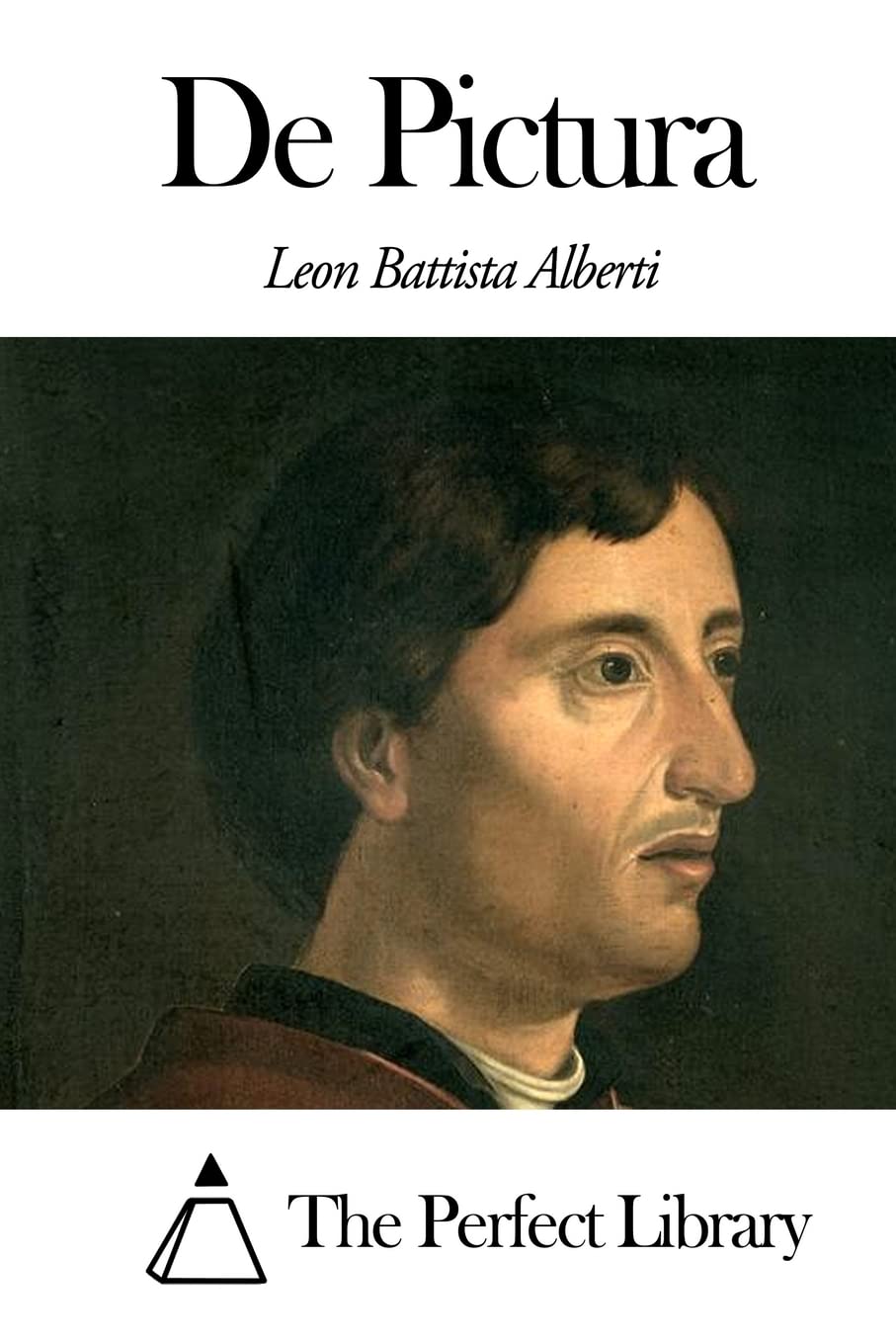
De pictura
Book by Leon Battista AlbertiWikipedia
7
MENTIONS
7
EPISODES
7
PODCASTS
Search complete. 7 mentions across 7 episodes found for "De pictura".
Sep 11, 2026

Marjolijn BolGUEST
Now, in the time of van Eyck and his contemporaries, something changed, and flat, you know, two-dimensional paintings now were not meant to look like a work of gold in three dimensions, so to say, but they were actually meant to look like the world that we see around us in three dimensions.
Marjolijn BolGUEST
And so you get this idea, um, I don't know if the audience is, um, familiar with Leon Battista Alberti, but he wrote this famous treatise called De Pictura, where he said, you know, "A good painting is actually as if you look through a window." And this is what changes in the 15th century, that paintings became this representation of the visible world.
Marjolijn BolGUEST
So i- to take the example of a gem, um, in the time of the medieval painter, you would apply gold leaf, and then you would apply, you know, for instance, copper green with a drying oil to it in a round shape, or, uh, something looking like a cabochon, because most of the gems they had then were cabochons.
Marjolijn BolGUEST
And, you know, the light would ref- reflect through this green paint on the gold, and so the whole thing would be transformed into a gem, basically.

Marjolijn BolGUEST
Now in the time of Van Eyck and his contemporaries, something changed and flat two-dimensional paintings now were not meant to look like a work of gold in three dimensions, so to say, but they were actually meant to look like the world that we see around us in three dimensions.
Marjolijn BolGUEST
And so you get this idea, I don't know if the audience is familiar with Leon Battista Alberti, but he wrote this famous treatise called De Pictura, where he said, you know, a good painting is actually as if you look through a window.
Marjolijn BolGUEST
And this is what changes in the 15th century, that paintings became this representation of the visible world.
Marjolijn BolGUEST
So to take the example of a gem, in the time of the medieval painter, you would apply gold leaf paint.

Marjolijn BolGUEST
Now, in the time of Van Eyck and his contemporaries, something changed and flat, you know, two-dimensional paintings now were not meant to look like a work of gold in three dimensions, so to say, but they were actually meant to look like the world that we see around us in three dimensions.
Marjolijn BolGUEST
And so you get this idea, I don't know if the audience is familiar with Leon Battista Alberti, but he wrote this famous treatise called Depictura, where he said, you know, a good painting is actually as if you look through a window.
Marjolijn BolGUEST
And this is what changes painting.
Marjolijn BolGUEST
in the 15th century that paintings became this representation of the visible world so to take the example of a gem in the time of the medieval painter you would apply gold leaf and then you would apply you know for instance copper green with a drying oil to it in a round shape or something looking like a cabochon because most of the gems they had then were cabochons And, you know, the light would reflect through this green paint on the gold.

Marjolijn BolGUEST
Now in the time of Van Eyck and his contemporaries, something changed and flat two-dimensional paintings now were not meant to look like a work of gold in three dimensions, so to say, but they were actually meant to look like the world that we see around us in three dimensions.
Marjolijn BolGUEST
And so you get this idea I don't know if the audience is familiar with Leon Battista Alberti, but he wrote this famous treatise called Depictura, where he said a good painting is actually as if you look through a window.
Marjolijn BolGUEST
This is what changes in the 15th century, that paintings became this representation of the visible world.
Marjolijn BolGUEST
So to take the example of a gem, in the time of the medieval painter, you would apply gold leaf and then you would apply, for instance, copper green with a drying oil to it in a round shape or something looking like a cabochon because most of the gems they had then were cabochons.

Marjolijn BolGUEST
What's still a mystery, though, is why did this ambition of painting change? I just already said that the ambition of the medieval painter um the medieval sort of craftsman who embellished boot to describe it very sort of simply in a way um he wanted it to look like a work of the goldsmith now in the time of van eyck and his contemporary something changed and flat you know two-dimensional paintings now were not meant to look like a work of gold in three dimensions, so to say, but they were actually meant to look like the world that we see around us in three dimensions.
Marjolijn BolGUEST
And so you get this idea, I don't know if the audience is familiar with Leon Battista Alberti, but he wrote this famous treatise called Depictura, where he said, you know, a good painting is actually as if you look through a window.
Marjolijn BolGUEST
And this is what changes in the 15th century, that paintings became this representation of the visible world.
Marjolijn BolGUEST
So to take the example of a gem in the time of the medieval painter, you would apply gold leaf and then you would apply, you know, for instance, copper green with a drying oil to it in a round shape or something looking like a cabochon because most of the gems they had then were cabochons.

Marjolijn BolGUEST
um the medieval a sort of craftsman who embellished boot to describe it very sort of simply in a way um he wanted it to look like a work of the goldsmith now in the time of van eyck and his contemporary something changed and flat you know two-dimensional paintings now were not meant to look like a work of gold in three dimensions, so to say, but they were actually meant to look like the world that we see around us in three dimensions.
Marjolijn BolGUEST
And so you get this idea, I don't know if the audience is familiar with Leon Battista Alberti, but he wrote this famous treatise called Depictura, where he said, you know, a good painting is actually as if you look through a window.
Marjolijn BolGUEST
And this is what changes in the 15th century, that paintings became this representation of the visible world.
Marjolijn BolGUEST
So to take the example of a gem in the time of the medieval painter, you would apply gold leaf and then you would apply, you know, for instance, copper green with a drying oil to it in a round shape or something looking like a cabochon because most of the gems they had then were cabochons.

Marjolijn BolGUEST
Now, in the time of Van Eyck and his contemporaries, something changed and flat, you know, two-dimensional paintings now were not meant to look like a work of gold in three dimensions, so to say, but they were actually meant to look like the world that we see around us in three dimensions.
Marjolijn BolGUEST
And so you get this idea, I don't know if the audience is familiar with Leon Battista Alberti, but he wrote this famous treatise called Depictura, where he said, you know, a good painting is actually as if you look through a window.
Marjolijn BolGUEST
And this is what changes people.
Marjolijn BolGUEST
in the 15th century that paintings became this representation of the visible world so to take the example of a gem in the time of the medieval painter you would apply gold leaf and then you would apply you know for instance copper green with a drying oil to it in a round shape or something looking like a cabochon because most of the gems they had then were cabochons And, you know, the light would reflect through this green paint on the gold.