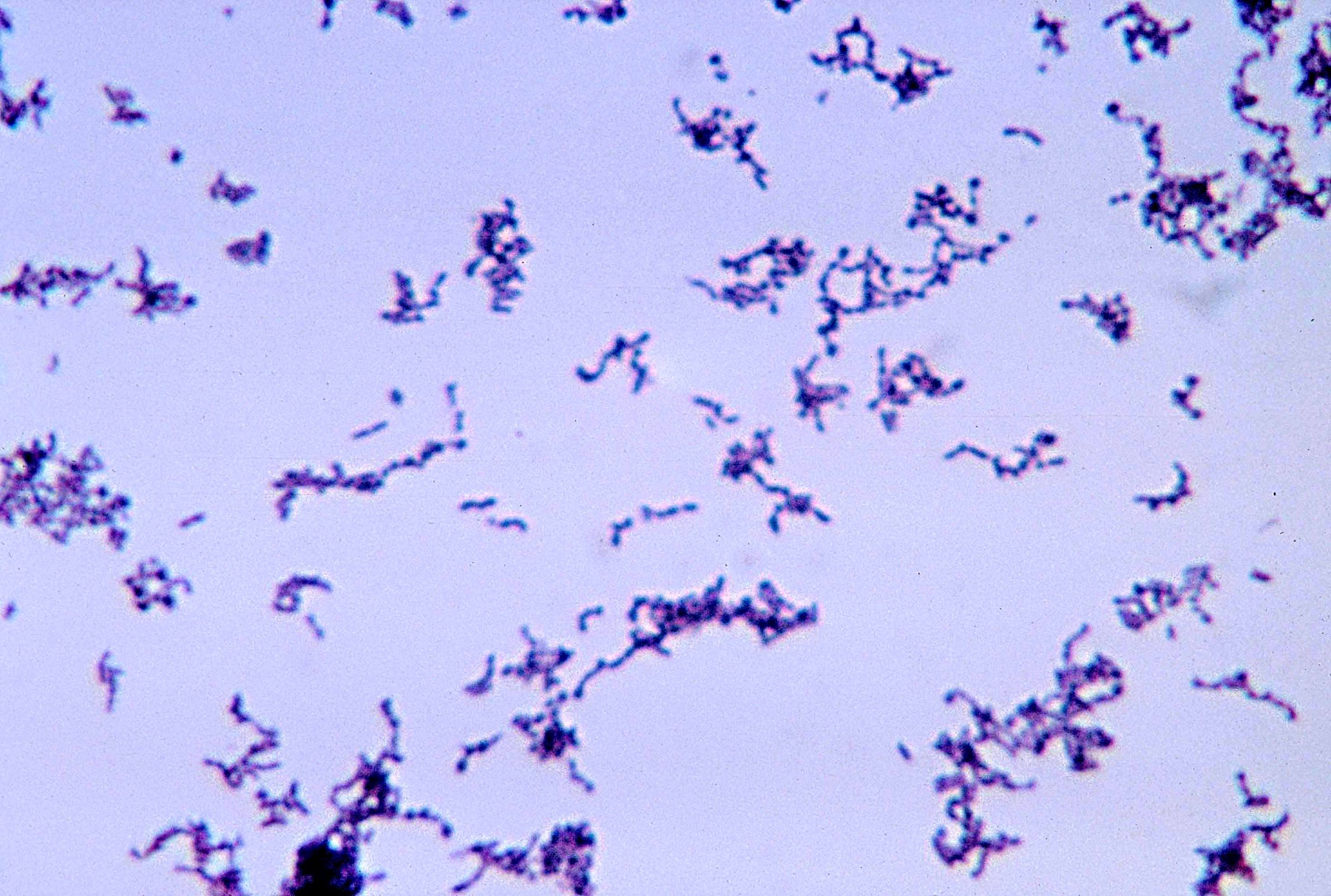
Cutibacterium acnes
BacteriaWikipedia
12
MENTIONS
4
EPISODES
4
PODCASTS
Search complete. 12 mentions across 4 episodes found for "Cutibacterium acnes".
Sep 24, 2026

speaker_3GUEST
Yes.
speaker_3GUEST
The dominant pathogen we worry about here is cuta bacterium acnes, or C. acnes.
speaker_3GUEST
It is an anaerobic gram-positive bacillus, and its natural habitat is deep within the pyelisophate's unit.
Mohamed ImamHOST
The sebaceous glands and the hair follicles of the skin.
Mohamed ImamHOST
So the sleeper agent infiltrates the base during the initial supposedly sterile operation.
Mohamed ImamHOST
But why doesn't the patient's immune system immediately clear it or at least mount a massive response that we would notice in the first few weeks in clinic?
speaker_3GUEST
Because C. acnes is incredibly indolent, and it is just an evolutionary master of evasion.
speaker_3GUEST
How so? Well, once it is introduced into the joint space, it adheres to the metal and the polyethylene components of the prosthesis.

Natalie AnchondoGUEST
And then what happens is we have retention hyperkeratosis, where It creates this plug in the follicle and then the oxygen levels start to drop.
Natalie AnchondoGUEST
Well, once that oxygen level drops, then the C. acnes bacteria then starts to thrive.
Natalie AnchondoGUEST
It starts breaking down the C. bump.
Natalie AnchondoGUEST
which then creates something called free fatty acids.
Natalie AnchondoGUEST
We're going to see the area get a little bit irritated and swollen, maybe inflamed, but it is an immune response.
Natalie AnchondoGUEST
It is not considered an infection.
Natalie AnchondoGUEST
It is actually considered a very sterile environment within that plug because the C. acnes bacteria is in there with like a lower oxygen environment and sebum.
Natalie AnchondoGUEST
And that's what's happening.

KayHOST
Typically, when you're doing blue light treatments, you're going to sit in front of a blue light lamp for about 15 minutes, maybe two sessions per week, generally like a four-week period.
KayHOST
Blue light kills the acne-causing bacteria known as Propionibacterium acnes, or P. acnes, which causes inflammation and junks up the sebaceous glands with the bacteria that then cause cystic type of acne.
KayHOST
Cysts and nodules and bacteria levels can improve dramatically.
KayHOST
LED blue light can also improve healing as far as third degree skin burns and is so useful for improving inflammatory side effects of acne.

Ariana ThackerGUEST
So you take a swab behind the ear and you measure the level of actinobacteria.
Ariana ThackerGUEST
We specifically measure something called P. acnes if that's present in patients.
Ariana ThackerGUEST
So all that to say, it's an area we're still learning and This is something that Dr. Shoemaker is now spending a lot of his time and attention on, better understanding that.
Ariana ThackerGUEST
How old is Dr. Shoemaker? He's in his early 70s now.