Currency Act
9
MENTIONS
6
EPISODES
6
PODCASTS
Search complete. 9 mentions across 6 episodes found for "Currency Act".
Nov 19, 2026

Gerard RennickGUEST
If you're familiar with the 1764, you're probably not.
Gerard RennickGUEST
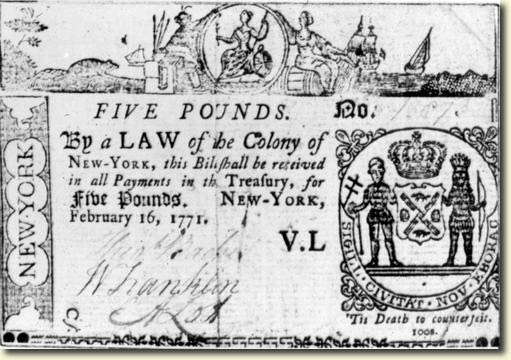
But go and research the 1763-1764 Currency Act, where the British said to the American colonies, you can't issue your own continental script.
Gerard RennickGUEST
You have to use British pounds.
Gerard RennickGUEST
Of course, the problem with that is if you can't use your own currency and you've got to borrow it, you've got to pay interest.

Nathan BeauvaisHOST
And so by raising these tariffs on other types of sugar, people were buying now British sugar, but it was still more expensive than it had been before this act was passed.
Nathan BeauvaisHOST
Then there was the Currency Act.
Nathan BeauvaisHOST
This also happened in 1764.
Nathan BeauvaisHOST
It barred colonies from using paper money as legal tenders.

speaker_5NARRATOR
Yet the protests remained largely within the familiar forms of petition and pamphlet.
speaker_5NARRATOR
The Currency Act of the same year further restricted colonial paper money, compounding the shortage of hard currency that would make any stamp duty especially burdensome.
speaker_5NARRATOR
Grenville was not finished.
speaker_5NARRATOR
Even before the Sugar Act received royal assent, he had indicated that a further measure was under consideration.
6 MINS LATER
speaker_5NARRATOR
The money was to be paid in sterling or other hard currency, not in the paper notes issued by colonial assemblies.
speaker_5NARRATOR
After the war, specie was already scarce.
speaker_5NARRATOR
The Currency Act of 1764 had further restricted the colony's ability to issue paper money as legal tender.
speaker_5NARRATOR
A tax that had to be paid in coin, therefore touched a sensitive point in everyday commercial life.

Coffee LongHOST
So this was the exact same thing in, what was this, like 17, fuck, I can't remember exactly, dude.
Coffee LongHOST
It was called the Currency Act.
Coffee LongHOST
I can't remember what year it was, but it was called the Currency Act.
Coffee LongHOST
And the deal here, this was England telling the colonies that you can repay money to here, but it has to be in pounds sterling.
Coffee LongHOST
It has to be in our currency, not your fucking currency, in our currency.

PaulHOST
The Sugar Act in 1764, which actually lowers the duty on molasses, but which intends, for the first time, to genuinely collect it.
PaulHOST
Then the Currency Act, restricting colonial paper money.
PaulHOST
then the Quartering Act, and then, in March of 1765, the Stamp Act, which requires a revenue stamp on newspapers, on legal documents, on licenses, on contracts, on almanacs, and on playing cards, effective the 1st of November, 1765.
PaulHOST
It is projected to raise about 60,000 pounds a year, which is not quite a third of the cost of the garrison.

Tori PhantomHOST
Yeah.
Tori PhantomHOST
But during this time, especially after the Currency Act, barter and trade were used more than actual money.
Tori PhantomHOST
And Sims pointed out that these creditors would only accept payment in money, not goods or services, which was absolutely deplorable.
Tori PhantomHOST
So he told his family and neighbors, quote, where there is no law, there is no transgression and not complying with the arbitrary demands of the lawless officer.