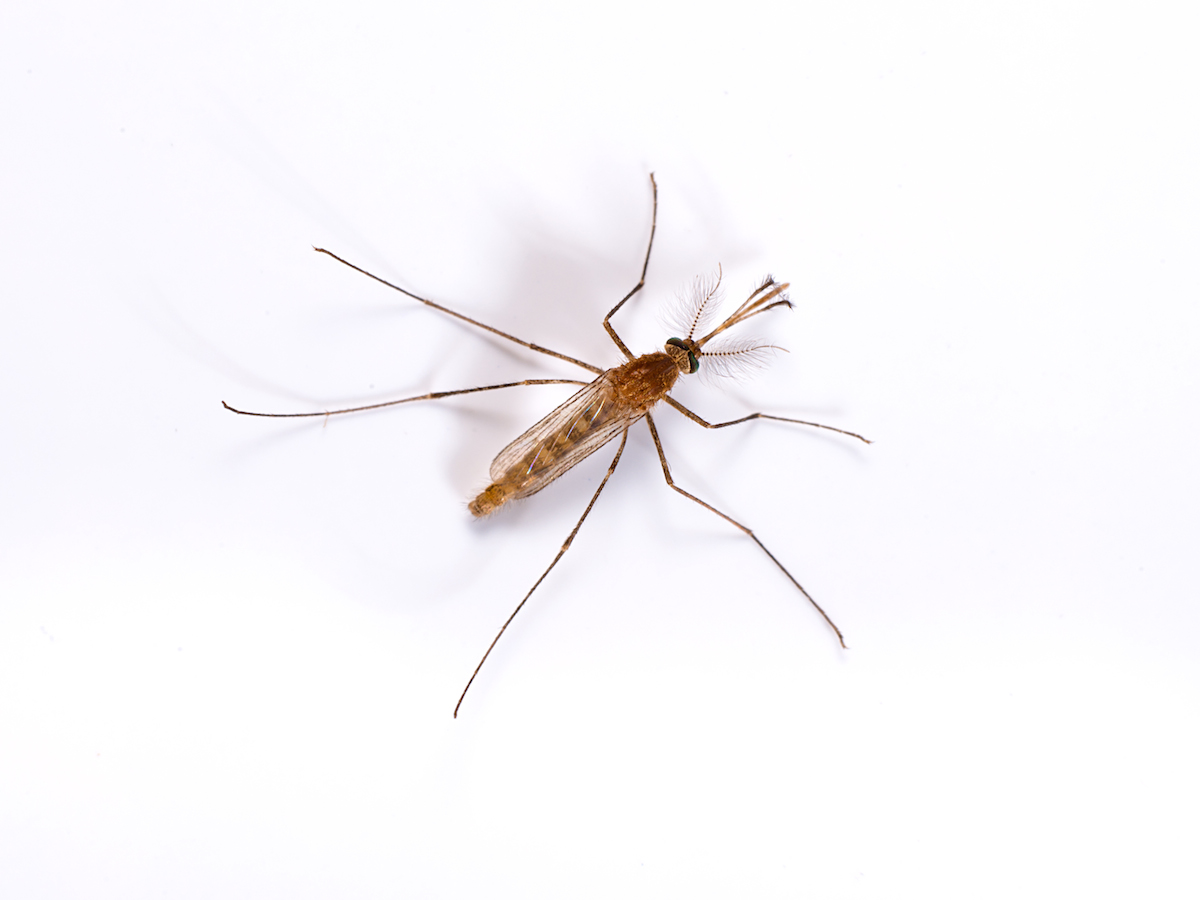
Culex
InsectWikipedia
4
MENTIONS
3
EPISODES
3
PODCASTS
Search complete. 4 mentions across 3 episodes found for "Culex".
Oct 5, 2026

Kurt AveryGUEST
Well, again, it's upticked in cases because there's more people who have it that can be bitten and pass it on to somebody else.
Kurt AveryGUEST
But West Nile is primarily from a mosquito family called the Culex, Pochmares and Pipians.
Kurt AveryGUEST
And they're very prevalent.
Kurt AveryGUEST
That's the primary mosquito family in the United States.
6 MINS LATER
Kurt AveryGUEST
I think coming in the future, well, we understand all the bugs a little bit better, and we're getting the word out.
Kurt AveryGUEST
We don't have monopolies here.
Kurt AveryGUEST
Now, the Culex are dawn and dusk.
Kurt AveryGUEST
Anopheles are coming because that's how you're getting dengue.

Hayes DavenportHOST
[laughs]
Antonia CereijidoHOST
Um, but even though there are a lot fewer of them overall than the culex species, they can breed very intensely in a hotspot.
Antonia CereijidoHOST
So- That coupled with the fact that they are out during the day, whereas Culex is there during dawn and dusk-
Hayes DavenportHOST
Ah
Antonia CereijidoHOST
... means that, um, they're very noticeable.

Hattie SparksCORRESPONDENT
We have had particularly high numbers of equine West Nile virus cases in Europe since mid-July, especially in France, with three hundred and forty-three reporting so far compared to eight in the same time last year, and the Netherlands reporting a hundred and thirty-six cases where none were reported last year.
Hattie SparksCORRESPONDENT
This is really demonstrating the need for vigilance as cases are coming further north with Culex mosquitoes environment.
Hattie SparksCORRESPONDENT
Vaccination is available and is strongly recommended for any horses traveling to mainland Europe.
Hattie SparksCORRESPONDENT
This message of caution traveling may now be even more so as there has also been an emergence of a Shamonda-like virus in Europe as another cause of neurological disease in horses.