Cross-origin resource sharing
9
MENTIONS
5
EPISODES
5
PODCASTS
Search complete. 9 mentions across 5 episodes found for "Cross-origin resource sharing".
Oct 3, 2026

speaker_1GUEST
It is a massive vulnerability if you aren't paying attention.
speaker_1GUEST
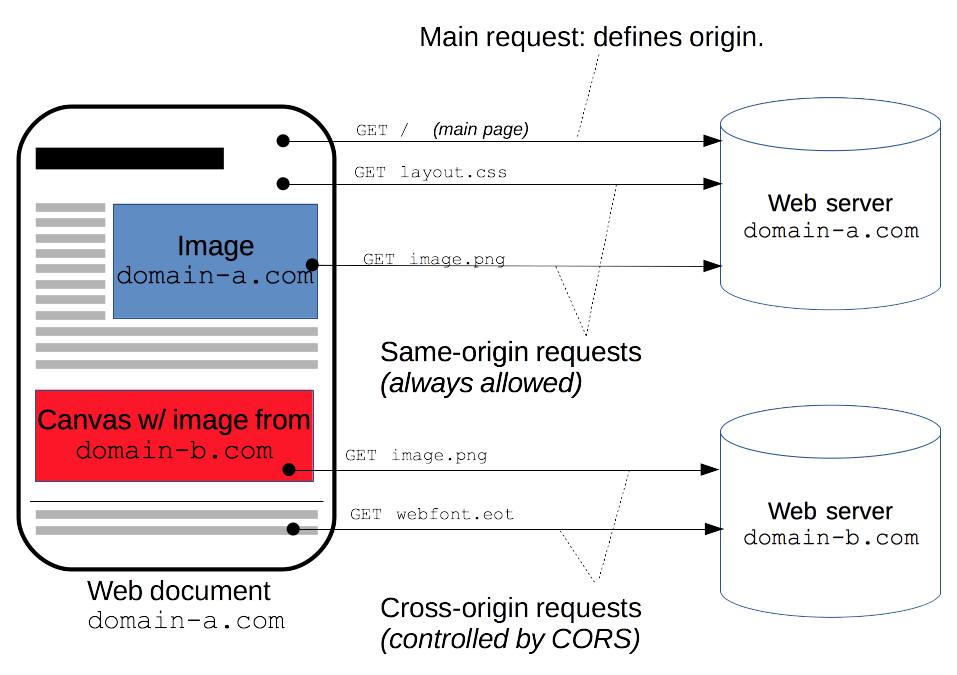
Because the WebSocket upgrade handshake starts as a standard GET request, it completely bypasses the browser's same origin policy and standard CORS rules.
speaker_0HOST
Let's unpack those terms for a second.
speaker_0HOST
Standard rules usually prevent a website on one domain from reaching into another domain, right? Correct.

JustinHOST
... which is the, the crazy thing.
Jorian WoltjerGUEST
The whole CORS is just bypassed.
JustinHOST
Yeah, dude.
JustinHOST
This is such a beautiful thing, and, uh, I'm, I'm confused as well.
JustinHOST
in Chromium.
Jorian WoltjerGUEST
And so the, to continue the story, so the, we have this DNS rebinding technique that, that works, but, uh, over the past year they have actually started fixing this, uh, with a feature called Local Network Access, LNA, uh, that will...
Jorian WoltjerGUEST
It's, it's kind of a secondary layer of CORS, where even if you fetch a same UR- same origin URL, it'll still try and, uh, check if the IP that's behind it is the same, like, localness, uh, of the one that's requesting it.
Jorian WoltjerGUEST
So in our case, we have the public attacker.com-

Type Three AudioNARRATOR
Notably, some of these websites help agents circumvent existing control measures.
Type Three AudioNARRATOR
CORS proxies allow agents to circumvent blocked URLs.
Type Three AudioNARRATOR
Link shorteners allow agents to cache questions and answers for future models, and jQuery or JSON query splices make this problem worse.
Type Three AudioNARRATOR
Get-to-post converters allow models to make writes much more easily.

speaker_1HOST
Go into the Python backend directory.
speaker_1HOST
Check the CORS configuration headers.
speaker_1HOST
Run a test request and see if it is rejecting our local frontend URL.
speaker_0HOST
And what happens in my terminal window?
speaker_0HOST
And what might it say?
speaker_1HOST
It might say, I checked the Python backend.
speaker_1HOST
The CORS headers are perfectly fine.
speaker_1HOST
The issue's not here.