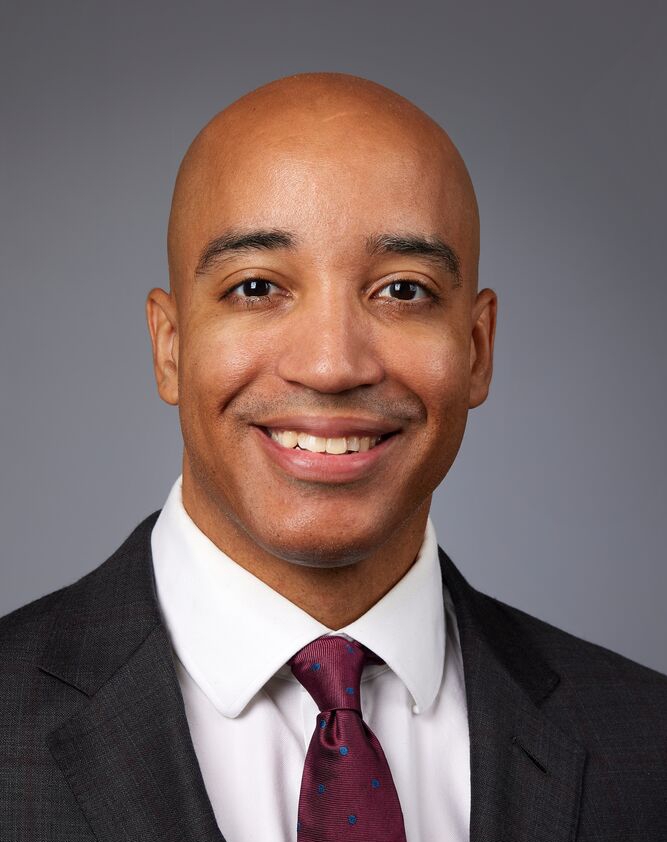
Crisanto Torres
Assistant Professor of Surgery and Trauma & Acute Care Surgeon at Boston Medical Center; author on whole-blood transfusion research and prehospital trauma care
2
APPEARANCES
2
PODCASTS
Jul 8, 2026


Jamie ColemanHOST
Are you aware of any particular safety concerns with using whole blood? I mean, we know that there are always safety concerns when we're talking about blood transfusion, but is there anything particular to whole blood that you think our listeners should be aware of?

Crisanto TorresGUEST
Yeah, so there's been, you know, several years ago, and even now, when I speak with individuals who have never heard of whole blood transfusions, and when I say that, actual physicians, doctors, even some surgeons, their question is, well, is this safe? What is the risk of serious transfusion-related reactions and hemolysis? And it's actually the same as component therapy.
Crisanto TorresGUEST
This is something that has been well established several years ago through other observational studies out of Houston.
Crisanto TorresGUEST
When I was actually a resident back at University of Pittsburgh, I remember Lou Alicon was doing the analysis looking at transfusion-associated reactions and the adverse effects, and we didn't see that in our patients who got whole blood.
Crisanto TorresGUEST
And the randomized pilot trial, the power trial, which really looked at the feasibility and safety of pre-hospital whole blood, didn't see an increase in terms of serious adverse events with whole blood compared to component therapy.
Crisanto TorresGUEST
and the risk of alloimmunization, and the serious event of hemolytic disease of the fetus and newborn in future pregnancies.
Jamie ColemanHOST
What do you think is the future of whole blood here in the U.S., particularly in the civilian setting?

Jamie ColemanHOST
Are you aware of any particular safety concerns with using whole blood? I mean, we know that there are always safety concerns when we're talking about blood transfusion, but is there anything particular to whole blood that you think our listeners should be aware of?
Crisanto TorresGUEST
Yeah, so there's been, you know, several years ago, and even now, when I speak with individuals who have never heard of whole blood transfusions, and when I say that, actual physicians, doctors, even some surgeons, their question is, well, is this safe? What is the risk of serious transfusion-related reactions and hemolysis? And it's actually the same as component therapy.
Crisanto TorresGUEST
This is something that has been well established several years ago through other observational studies out of Houston.
Crisanto TorresGUEST
When I was actually a resident back at University of Pittsburgh, I remember Lou Alicon was doing the analysis looking at transfusion-associated reactions and the adverse effects, and we didn't see that in our patients who got whole blood.
Crisanto TorresGUEST
And the randomized pilot trial, the power trial, which really looked at the feasibility and safety of pre-hospital whole blood, didn't see an increase in terms of serious adverse events with whole blood compared to component therapy.
Crisanto TorresGUEST
and the risk of alloimmunization, and the serious event of hemolytic disease of the fetus and newborn in future pregnancies.
Jamie ColemanHOST
What do you think is the future of whole blood here in the U.S., particularly in the civilian setting?