Corfield v. Coryell
2
MENTIONS
2
EPISODES
2
PODCASTS
Search complete. 2 mentions across 2 episodes found for "Corfield v. Coryell".
Oct 9, 2026

David UphamGUEST
They're, they're looking at the right of an indi- uh, of individual to travel around, reside.
David UphamGUEST
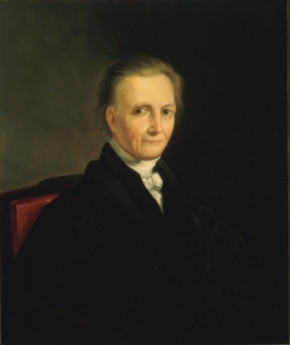
Um, the most, um, authoritative des- definition is found in Corfield v. Coryell, which was not a s- a slavery-related case, at least not on its face.
David UphamGUEST
Um, the right to travel and reside, uh, the right to acquire real as well as personal property, the right to file suits of any kind in the courts of the, of the other state, uh, and also an exemption from special, certain higher special taxes or special burdens.
David UphamGUEST
Um, these, he said, are some, are some of the privileges and immunities of citizens according to the court in Corfield, which was a circuit court opinion, uh, decided by Supreme Court Justice Bushrod Washington while he was, uh, serving a circuit judge, um, 18- 1823.

Sherif GirgisGUEST
But, uh, the way to reconcile it with the point about Collins is that in that case, one thing that he says in a footnote in Dobbs is that, look, Justice Thomas wants to do an enumerated rights analysis under privileges or immunities, but it turns out it would be basically the same- Test.
Sherif GirgisGUEST
Under privileges or immunities, according to this case called Corfield v. Coryell, the question is whether the rights are basically deeply historically rooted, and that's our test under due process, too.
Sherif GirgisGUEST
So the outcomes will be the same either way, which is why Justice Thomas can sign this opinion in good conscience even as he writes separately to say, "Here's how I wish it had been written." So if outcomes are the fundamental thing, and the question is are you reaching originalist outcomes because your job is to decide cases and controversies, then mushing originalist and non-originalist stuff together is bad when it leads you away from the originalist outcome, and it's okay when it- or at least less bad when you still have the originalist outcome.
Sarah IsgurHOST
Okay, that's been your least persuasive argument for me so far.