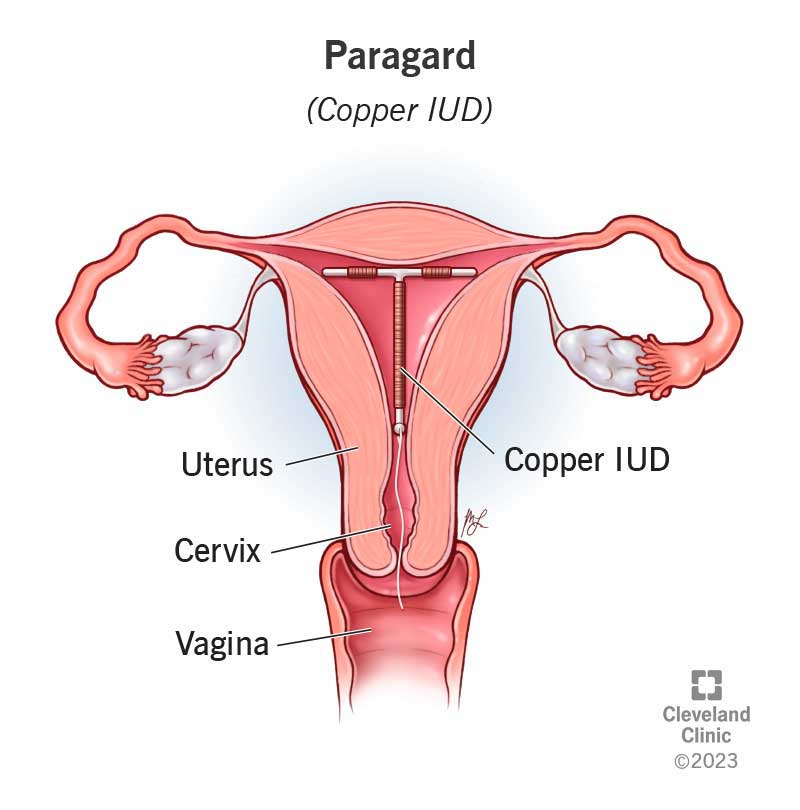
Copper IUD
4
MENTIONS
2
EPISODES
2
PODCASTS
Search complete. 4 mentions across 2 episodes found for "Copper IUD".
Sep 2, 2026

Lillian ChenGUEST
The Kylena, which can last up to five years, and the Skyla, which lasts up to three years.
Lillian ChenGUEST
And in the second category, we have the copper IUD, which is the Paragard, which can last up to 12 years.
Lillian ChenGUEST
At about one year, the failure rate for a copper IUD is estimated to be about 0.8% and about 0.2% for the Mirena IUD at one year.
Lillian ChenGUEST
So some absolute contraindications to IUD placement include known pregnancy, unexplained uterine bleeding, active pelvic inflammatory disease, or an active and untreated sexually transmitted infection, and uterine anomalies that may distort the uterine cavity.
Lillian ChenGUEST
While this is not an absolute contraindication, it does make placement a little more challenging, for example, in patients with uterine anomalies, and they may need IUD placement under ultrasound
Lucy BrownHOST
guidance.
Lucy BrownHOST
And something that you mentioned, the copper efficacy versus the brain efficacy.
Lucy BrownHOST
Copper IUD, it is very important where you place it.

Nick KendrewHOST
Now, the COSRH guidance from 2016 tells us that a causal relationship between combined oral contraceptive pill, or COCP, use and onset of exacerbation of IBD has not been established.
Nick KendrewHOST
IBD is UK MEC one for the copper intrauterine device, or CU IUD, levonorgestrel-releasing intrauterine system, or LNG IUS, and the progestogen-only implant.
Nick KendrewHOST
It's UK MEC two for the following: progestogen-only injectable, which is depot medroxyprogesterone acetate, or DMPA, progestogen-only pill, or POP, and combined hormonal contraception, or CHC.
Nick KendrewHOST
We'll use those abbreviations going forward, so hopefully all that makes sense.