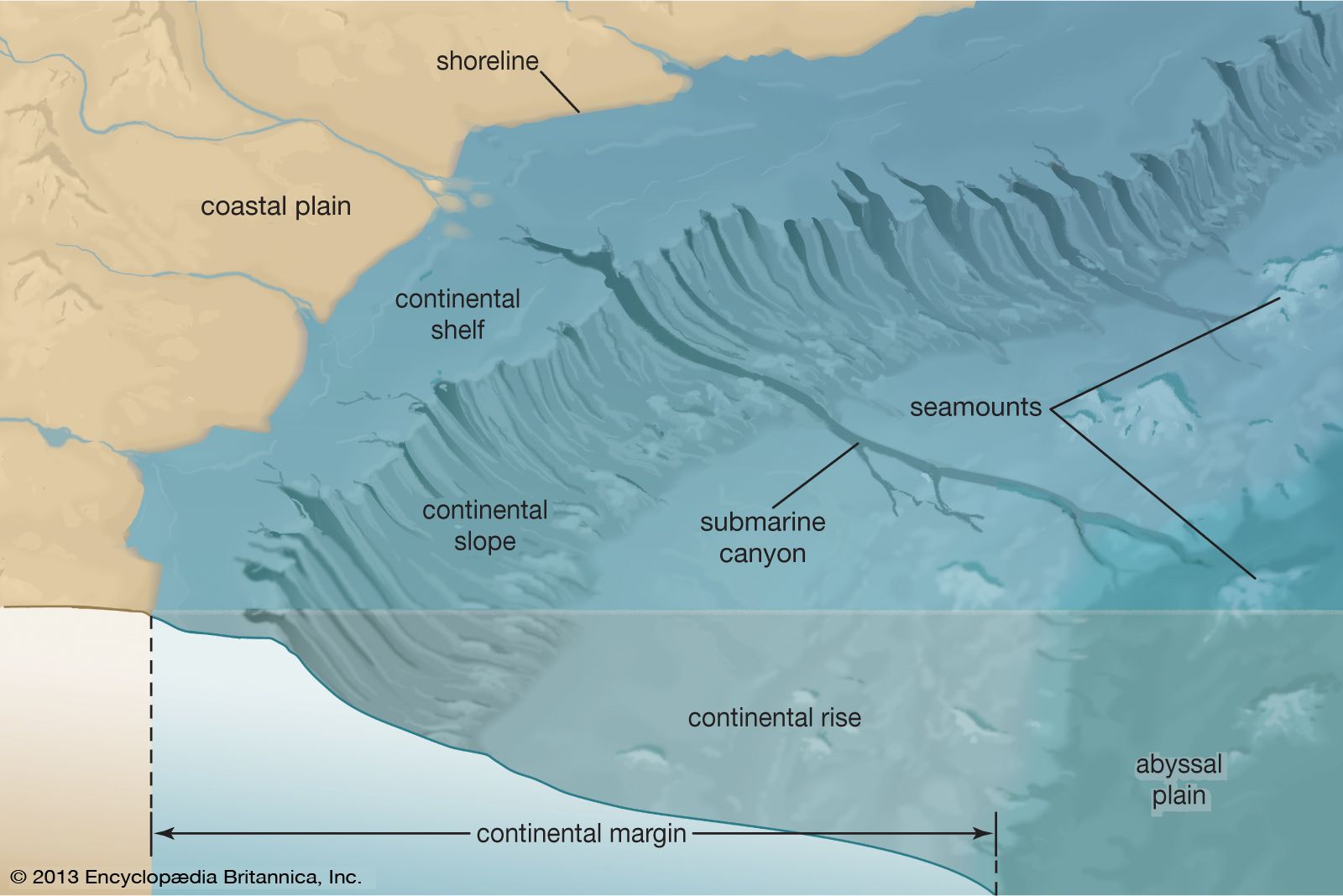
Continental shelf
8
MENTIONS
4
EPISODES
4
PODCASTS
Search complete. 8 mentions across 4 episodes found for "Continental shelf".
Oct 24, 2026

Rigoberto TiglaoNARRATOR
Continue defending our lawful maritime interests.
Rigoberto TiglaoNARRATOR
The 2016 Arbitral Award found that Aung and Chol forms part of the Philippine Exclusive Economic Zone and Continental Shelf.
Rigoberto TiglaoNARRATOR
Neither economic leverage nor military superiority can rewrite that finding.
Rigoberto TiglaoNARRATOR
Our leaders must explain the stakes honestly and distribute the burdens fairly.

Hunter HillHOST
He kind of nodded and smirked.
Hunter HillHOST
So I started explaining that we were learning about the Mid-Atlantic Shelf and the Mariana Trench, and very casually, almost like he was talking about the weather, he goes, you know, I was on the crew that charted the depths of those for the first time.
Hunter HillHOST
Then he follows it up with, do you think your teacher would be interested in some of my handwritten records and charts from those missions? And without really processing what he just offered me, I was just like, yeah, I'm sure my teacher would love that.
Hunter HillHOST
So I fly back to Southern California, I walk into my second period class, hand my teacher this stack of charts from my grandfather.

Holly BrownHOST
Mm-hmm.
Hunter HillGUEST
So, uh, look, I, I mean, even later in my life, I remember being in, my, my favorite class in high school was marine bio, and we were learning about the Mid-Atlantic Shelf and the Mariana Trench.
Hunter HillGUEST
And I went out to my grandfather's farm on spring break, and he was like, "What's your favorite subject?" And I was like, "Marine bio.
Hunter HillGUEST
We're learning about this and this and this." And he was like, "Oh, I was part of the crew that helped chart those for the first time."
7 MINS LATER
Hunter HillGUEST
We, essentially they, they lost a nuclear submarine.
Holly BrownHOST
Mm-hmm.
Hunter HillGUEST
And the, the mission that my grandfather was on when he made those charts of the Mid-Atlantic shelf, they were actually looking for a submarine that we had lost.
Hunter HillGUEST
America had lost one of their submarines in the Atlantic.