Compatible Time-Sharing System
Operating systemWikipedia
7
MENTIONS
3
EPISODES
3
PODCASTS
Search complete. 7 mentions across 3 episodes found for "Compatible Time-Sharing System".
Oct 24, 2026

Stephen JonesGUEST
So we have from Olin Sievert, who was a Multician, longtime Multician, We have the MIT Multics Archive, which is 60 bankers' boxes full of listing, Project Mac memos.
Stephen JonesGUEST
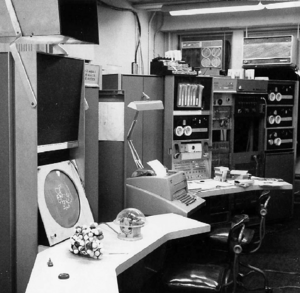
Some of it goes even into CTSS, which is the compatible time-sharing system that was developed on the 7094 at MIT in the early 60s, including source listings for CTSS.
Stephen JonesGUEST
But we're working on ways to archive this material and then get it to either Bitsavers or archive.org.
Kay SavetzHOST
Tell me about some of the plans for the ICM, near term and long term.

speaker_1HOST
There were no such things as users, their files, or logging into a system.
speaker_1HOST
In comes the CTSS, which was the evolution at the time.
speaker_1HOST
A computer that had a rudimentary operating system, which allowed multiple users to simultaneously use its processing power, because the CPU would split its processing time amongst the jobs of these several users.
speaker_1HOST
Amazing.
speaker_1HOST
Anyway, with more than one user, you can't have a no man's land in your system where anyone can do whatever they want wherever in memory.
speaker_1HOST
Different users need their own separate private space with their own private files to do their work.
speaker_1HOST
And that is exactly what the CTSS provided.
speaker_1HOST
When accessing the mainframe through a teletype terminal, each user would have their account and they could use the keyword login followed by their username to access their own resources in the mainframe.