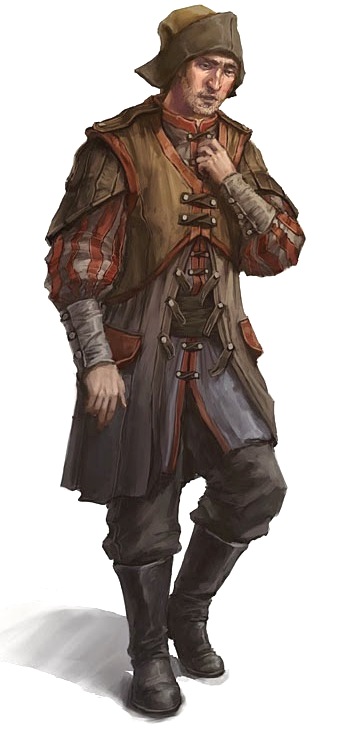
Commoner
4
MENTIONS
4
EPISODES
4
PODCASTS
Search complete. 4 mentions across 4 episodes found for "Commoner".
Oct 28, 2026

Susan L. BurnsGUEST
And who could attend changed over time.
Susan L. BurnsGUEST
Commoners could attend for a while.
Susan L. BurnsGUEST
Then it was limited to doctors who were of samurai origin or in service to samurai families.
Susan L. BurnsGUEST
And then later, commoners were involved again.

speaker_0NARRATOR
Poor, unprotected, caught, convicted and displayed.
speaker_0NARRATOR
Commoners also faced other punishments that were designed to humiliate as much as to hurt.
speaker_0NARRATOR
At Les Halles, the great central market, there was a pillory, a revolving wooden structure in which people convicted of fraud, blasphemy or other offences could be locked by the neck and hands and displayed to the crowds, who might jeer, throw rubbish or worse.
speaker_0NARRATOR
Merchants caught selling rotten food or cheating customers with false weights could find themselves in the pillory with their bad goods burned or hung around their necks.

Solomon SmithHOST
Minor offices were available to the lower elites, but they're limited.
Solomon SmithHOST
Commoners chose a patron, a person they would vote for that was their representative, and they give them their vote.
Solomon SmithHOST
The Senate or assembly would represent the constituents through virtual representation.
Solomon SmithHOST
It only acts in the best interest of the nation or the people.