Combination Act 1799
4
MENTIONS
3
EPISODES
3
PODCASTS
Search complete. 4 mentions across 3 episodes found for "Combination Act 1799".
Oct 12, 2026

LiamHOST
The story goes on.
LiamHOST
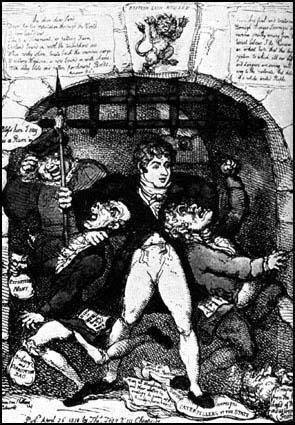
In 1799 and 1800, in response to these acts of violence against infrastructure, the Combination Acts was introduced to help control the masses, and this comprised of essentially banning the formation of workers' associations and secret societies to prevent collective action against the powers that be.
LiamHOST
And this sets the scene for the Luddite movement 222 years later after the invention of the mechanized framework knitting machine by William Lee.
LiamHOST
To situate ourselves here, I've picked a few folk songs centered around Nottingham and the challenges felt at the time in the stomachs of the working people.

Richard JohnsonHOST
But just to... set the scene and take the angle from the judicial rather than religious side.
Richard JohnsonHOST
So in the 1820s and 1824, Parliament repeals the Combination Acts, which had prohibited the formation of trained unions.
Richard JohnsonHOST
And so it became legal now for workers to form associations that would collectively petition for better wages and conditions.
Richard JohnsonHOST
This was something that the British upper class were generally quite hostile to.
Richard JohnsonHOST
And the judiciary in particular responded to the repeal of the Combination Acts by finding other ways of – inhibiting trade union formation.
Richard JohnsonHOST
And one of those was to use another law, which was called the Unlawful Oaths Act from the 18th century, which made various prohibitions on swearing oaths under certain circumstances, basically kind of anti-conspiracy laws, and to use those against trade unionists who would often swear an oath to prohibit loyalty and solidarity of the other workers as part of their organisation.
Richard JohnsonHOST
And this was what happened in the case of the agricultural workers in Tolpedal in Dorset, who swore an oath to work together rather than against each other for their collective benefit.

Jonty ClaypoleHOST
Yeah.
Jonty ClaypoleHOST
They had been illegal through the Combination Acts, but the acts were repealed in 1824.
Jonty ClaypoleHOST
And so you have this emergence of very sophisticated, organised action against factories when they were docking pay or lowering wages.
Jonty ClaypoleHOST
And by this point, the trade unions could hold strikes that would shut down factories for weeks at a time.